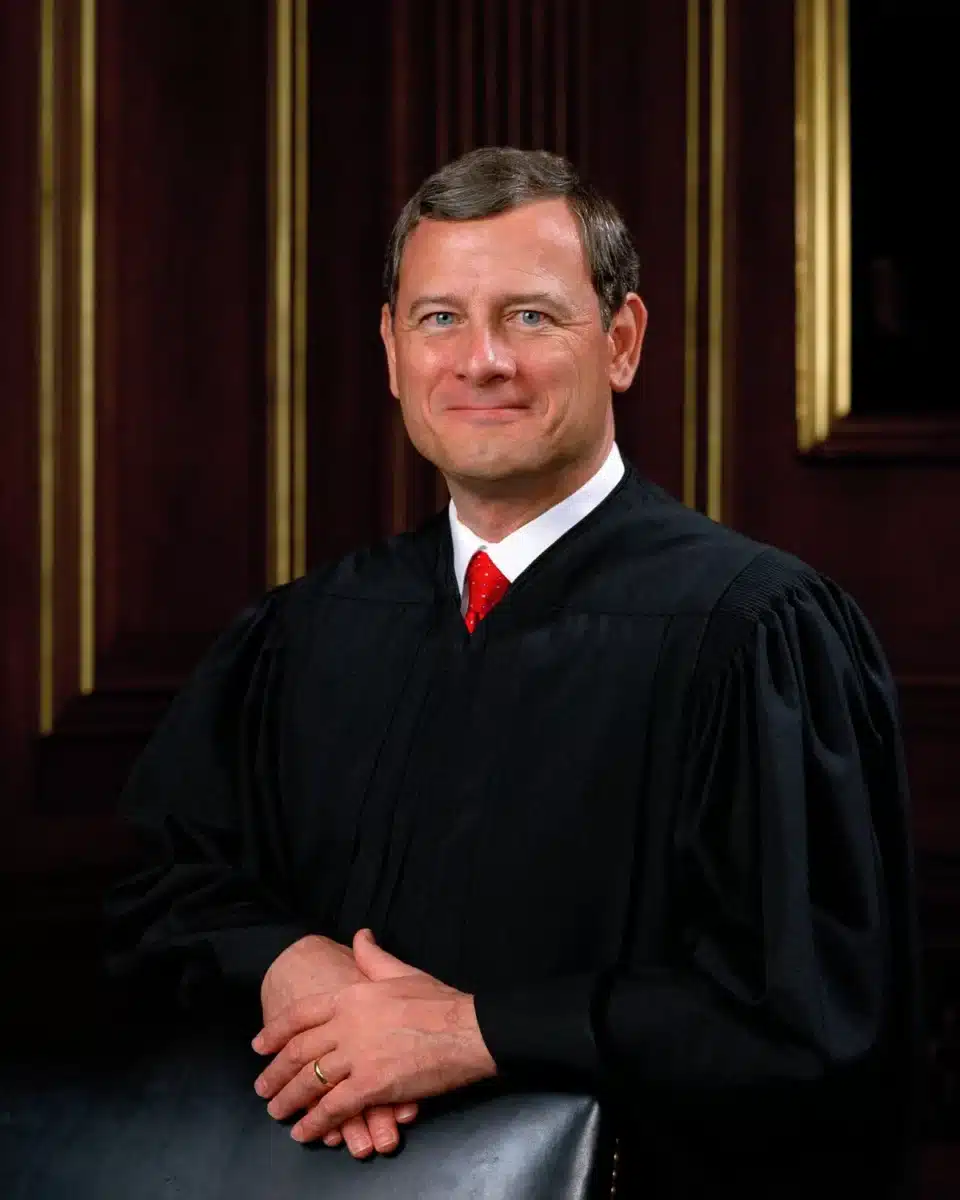
Chief Justice John Roberts joined the three liberal justices in dissent Monday as the Supreme Court ruled 5-4 to allow President Trump’s $400 million White House ballroom construction to proceed, marking a rare break between Roberts and his conservative colleagues on a separation-of-powers question.
In an unsigned order, the five-justice majority concluded that the National Trust for Historic Preservation lacked legal standing to challenge the project, while national security concerns favored allowing construction to continue. The majority did not address whether the ballroom itself is lawful.
Writing for the dissenters, Roberts disagreed sharply with both conclusions. “Today’s decision is no victory for the separation of powers,” he wrote in a six-page dissent, arguing that the project is “likely unlawful” because Congress has never approved or appropriated funds for it.

Roberts specifically rejected the administration’s claim that the ballroom falls within the president’s routine maintenance authority. “That appropriation of a couple million dollars for ordinary Executive Residence maintenance and repairs likely does not authorize the President to use hundreds of millions of dollars in private donations to tear down the East Wing and construct a ballroom in its stead,” he wrote, referring to the $2.5 million Congress set aside in 2024 for routine upkeep.
The chief justice also took aim at the majority’s standing analysis, contending that Alison Hoagland, an architectural historian and National Trust member who filed the initial complaint, had concrete interests sufficient to challenge the project. “She has not simply alleged ‘distress at or disagreement with’ the ballroom’s construction,” Roberts wrote. “She instead has alleged that the ballroom’s construction would damage what for her is a concrete and particularized interest in physically viewing, appreciating, and studying a historic building as it is.”
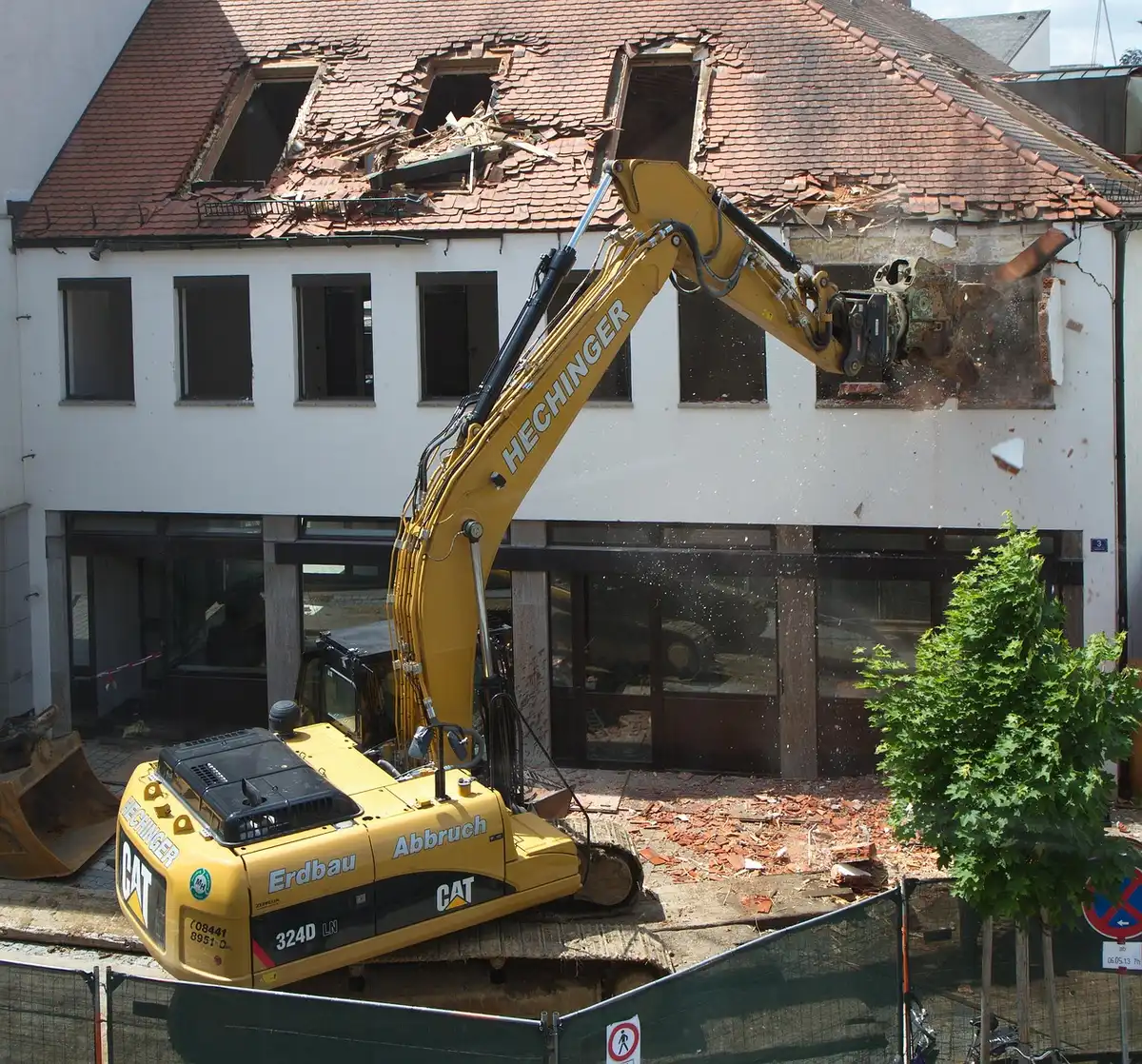
The legal fight began when Trump demolished the White House’s historic East Wing last October without seeking Congressional approval. A federal appeals court ruled on August 7 that the project violated laws requiring Congressional authorization for major construction at the White House. That ruling would have halted above-ground work, but Roberts issued a temporary stay on August 21 to allow construction to continue while the full court considered the case.
The National Trust for Historic Preservation expressed disappointment in the majority’s decision but welcomed Roberts’s dissent. “We are pleased with Chief Justice Roberts’ strong dissent,” said Brent Leggs, the organization’s president and CEO, “which reiterated what we have maintained from the start of our case — that construction of the White House ballroom is unlawful.” The trust had argued that the president lacks unilateral authority to demolish and redesign the People’s House without Congressional approval.
Trump, meanwhile, posted on Truth Social that he was “pleased” with the ruling and said it would allow the project to be completed “without any further contingency, doubt, or threat.” Attorney General Todd Blanche called it “a no-brainer for national security,” citing features in the redesigned East Wing that the administration argues are essential for presidential protection.
The White House has said the ballroom project will be substantially finished by November 2026 and fully completed by August 2028. The decision clears the way for that timeline to proceed, though Roberts’s dissent signals that the fundamental constitutional question about presidential power and Congressional authority over federal property remains unresolved.
Sources
- BBC News — Supreme Court 5-4 ruling allowing ballroom construction, Roberts’s dissent on separation of powers, and ballroom cost and timeline.
- Politico — Roberts’s full dissenting opinion, standing analysis, and majority reasoning on the National Trust’s legal standing.
- The Hill — Roberts’s dissent language, Congressional appropriation figures, and analysis of standing doctrine.
- NBC News — Roberts joining liberal justices in dissent and the Court’s reasoning on lower court authority.