Update (Aug 27): Treasury Secretary Bessent confirmed on August 25 that no bonds have been purchased yet under the expanded buyback program, with the first operation scheduled for September 9, and stated the Treasury will continue regular debt auctions despite the larger buyback initiative.
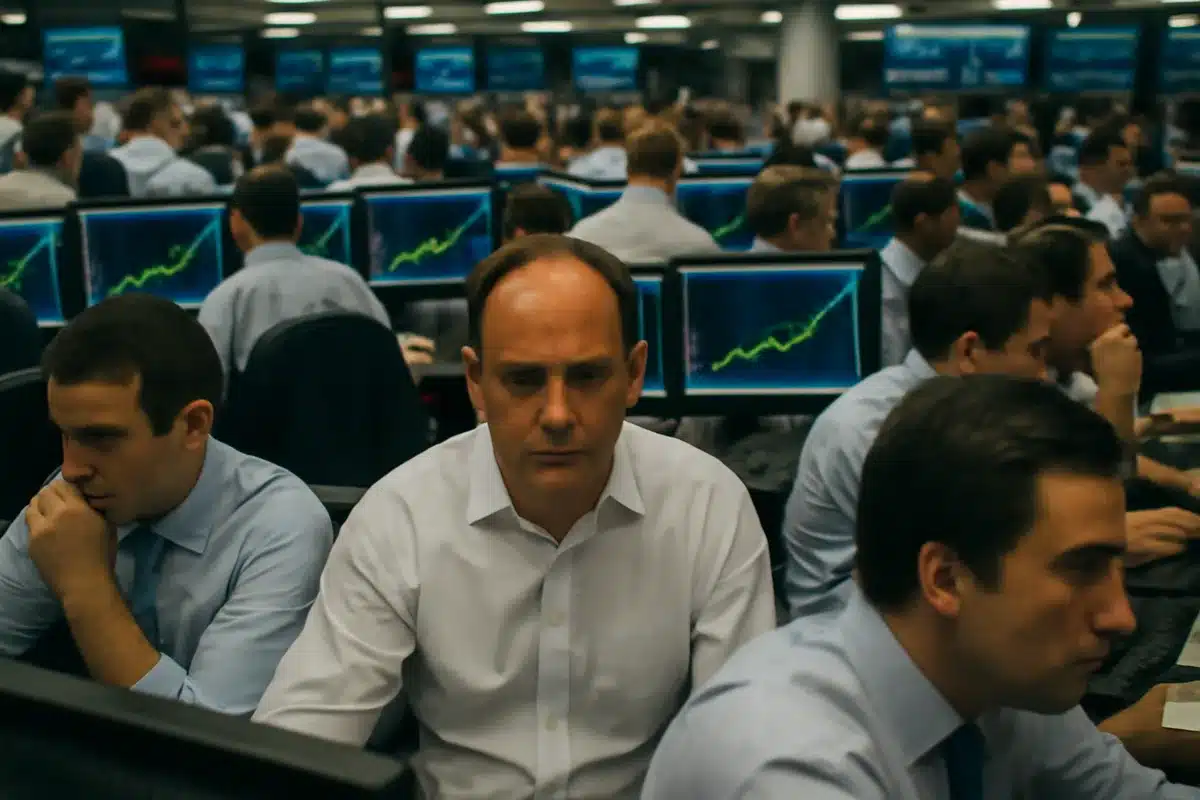
Treasury Secretary Scott Bessent’s plan to double bond buybacks to at least $4 billion per operation is drawing intense skepticism from Wall Street, with critics warning that the intervention could damage the Treasury Department’s credibility rather than solve the underlying problem of rising long-term borrowing costs.
On August 19, the Treasury announced it would expand its repurchase of longer-dated bonds, a move intended to reduce supply and push down yields that had climbed to their highest levels since before the 2008 financial crisis. The announcement initially sent yields lower, but the relief proved short-lived—by August 21, long-term rates had risen again, undercutting the intervention’s effectiveness.
The skepticism extends to some of Bessent’s closest allies. Billionaire investor Stanley Druckenmiller, who mentored Bessent during their work together for George Soros in the early 1990s, published a Wall Street Journal op-ed on August 25 arguing that the buyback effort would fail and erode Treasury credibility. “Every basis point of artificial yield suppression is a subsidy to procrastination,” Druckenmiller wrote. “Governments defending prices against fundamentals always lose. The only variable is how much they spend before conceding.”
JPMorgan strategists flagged what they called a “credibility risk” in the Treasury’s approach. The bank’s analysts warned that markets may view the surprise intervention as lacking credibility, potentially pushing up the term premium—the extra yield investors demand for longer-dated bonds—over time. JPMorgan noted that the buyback only addresses symptoms, not the root cause: the U.S. runs a 6% fiscal deficit in an economy near full employment.
According to Politico’s reporting on August 26, the Treasury secretary’s credibility as a steward of U.S. financial markets is now under threat. Mohamed El-Erian, chief economic adviser at Allianz and a professor at the Wharton School, told Politico he was concerned. “The intervention in the bond market takes us to a different place if it continues,” he said. One longtime Bessent ally told Politico that if the secretary doesn’t communicate Treasury’s objectives effectively and “if the jawboning doesn’t succeed, you’re dead in the water.”
The broader context amplifies the credibility challenge. U.S. public debt has eclipsed $40 trillion, and the budget deficit is on track to exceed $2 trillion for 2026. Long-term yields are also climbing globally, and Treasury is managing multiple crises simultaneously—currency interventions to support the yen, Iran sanctions that are pushing up oil prices, and a deluge of corporate debt competing for investor attention in long-term markets.
Former Treasury Secretary Janet Yellen told Politico that interventions of this type rarely have long-term effects unless they signal a deeper commitment to a shift in underlying policy. Mark Dowding, chief investment officer at BlueBay Fixed Income, said the market isn’t affording Bessent the credibility he wants. “That really is speaking to the fact that some damage has been done to U.S. policy credibility,” Dowding said, citing the dollar’s weakness and gold’s climb following the buyback announcement as signs of eroding confidence in U.S. assets.
The White House has publicly backed Bessent, with Trump complimenting his “very good natural touch” in navigating the bond market. Treasury officials argue that the buyback program may improve market functioning and that the U.S. economy remains fundamentally strong. But Wall Street’s message is clear: without fiscal reform to address the underlying deficit, no amount of bond buying will restore confidence in long-term Treasury assets.
Sources
- CNBC — Stanley Druckenmiller op-ed, Treasury credibility concerns, Bessent’s $4 billion buyback announcement
- Reuters — Treasury bond buyback details, Druckenmiller’s credibility warnings
- Bloomberg — JPMorgan credibility risk analysis, buyback announcement details
- Wall Street Journal — Druckenmiller op-ed “Let the Bond Market Speak,” market reaction and yields rebounding
- Politico — Treasury credibility threat, El-Erian and market participant commentary, Janet Yellen analysis
- LA Times — Interest rates rebounding despite buyback efforts