Treasury Secretary Scott Bessent announced on August 19 that the U.S. Department of the Treasury will double its bond buyback operations to at least $4 billion per operation, up from the current $2 billion maximum, in an effort to stabilize surging long-term borrowing costs. The increased buyback size takes effect September 9 and remains in effect through November 4, 2026, targeting longer-dated nominal coupon securities in the 10-year to 20-year and 20-year to 30-year sectors.
The announcement came as Treasury yields have climbed to levels not seen since the 2008 financial crisis, driven by mounting U.S. debt and deficits, competition from corporate debt issuance related to artificial intelligence, and weakening liquidity in longer-dated bonds. According to the Treasury press release, the increase reflects the department’s desire to provide greater liquidity support where it has observed consistent strong sponsorship from market participants and significant volume of high-quality offers in buyback operations.
In a live interview with CNBC on August 20, Bessent indicated the buyback operations could potentially exceed the newly announced $4 billion ceiling. He characterized the current yield levels as not reflecting underlying economic fundamentals and noted that liquidity for the 30-year bond had become very poor, providing justification for Treasury intervention in what is normally a robust market. Bessent stated the Treasury would “make a market” in longer-dated securities to restore confidence.
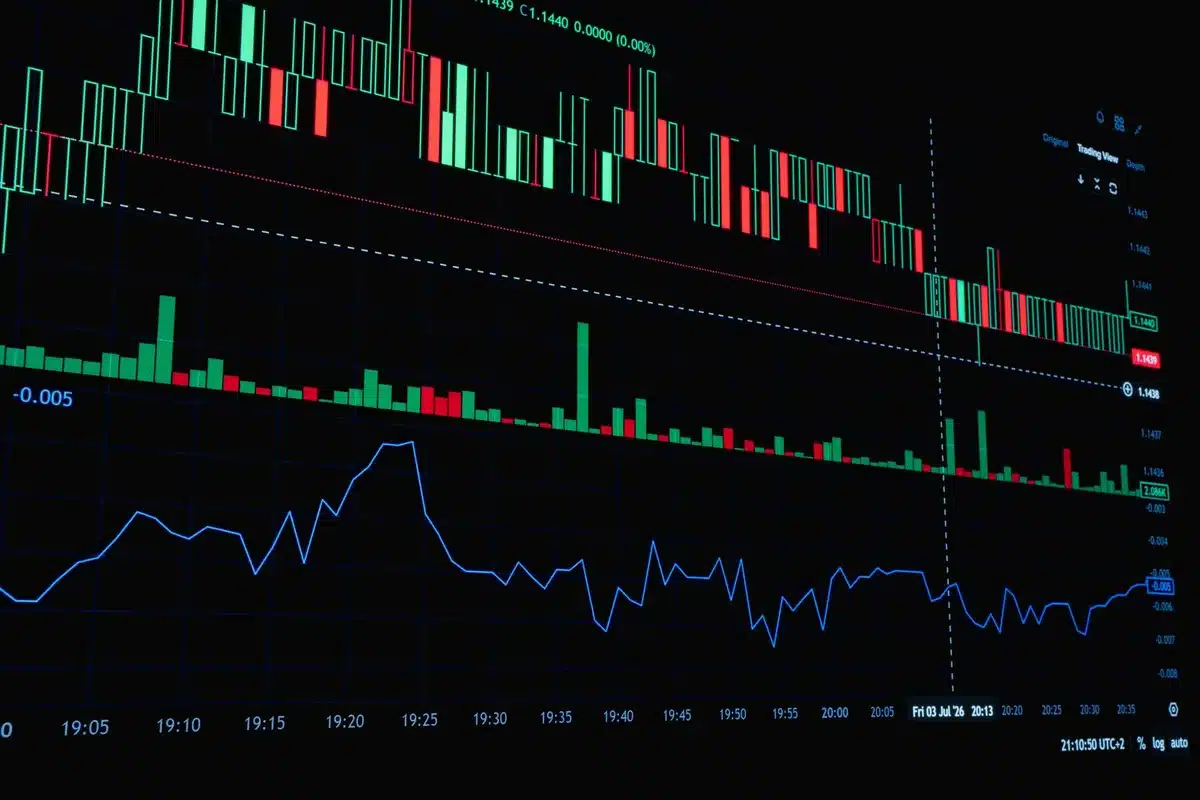
The initial market reaction proved fleeting. While Treasury yields fell sharply following the August 19 announcement, they rebounded by August 20, with the 30-year bond trading around 5.235% and the 10-year yield rising approximately 5 basis points to 4.704% even as Bessent spoke. According to the Associated Press and other outlets, interest rates rebounded Thursday despite the Treasury’s efforts to put a lid on longer-term borrowing costs.

The buyback program differs from quantitative easing, according to analysis from multiple sources. Rather than injecting new liquidity into the financial system, the Treasury buyback simply swaps previously issued bonds for new ones without materially expanding the money supply. According to the Council on Foreign Relations, the more effective and sustainable policy approach would be through Federal Reserve quantitative easing, which the Fed deployed beginning in 2008 after the financial crisis, purchasing $1.25 trillion in government securities during the first round of large-scale asset purchases.
Bessent acknowledged broader fiscal pressures during his remarks, noting that national debt crossed the $40 trillion mark in the week of the announcement. He said he would be meeting with Russell Vought, head of the Office of Management and Budget, to discuss what he termed “fiscal consolidation,” and argued that global growth rather than belt-tightening would be the path to addressing the debt burden.
Sources
- U.S. Department of the Treasury — official press release announcing the doubled buyback operation sizes effective September 9 through November 4, 2026
- CNBC — Bessent’s remarks on the potential for buybacks to exceed $4 billion and the rationale for intervention in longer-dated securities
- Associated Press — reporting on the rebound in yields despite Treasury’s intervention efforts
- Council on Foreign Relations — analysis distinguishing Treasury buybacks from Federal Reserve quantitative easing and historical QE precedent
- The Hill — timeline of the announcement and the temporary yield decline followed by rebound