The U.S. Treasury doubled the maximum size of its bond buyback operations to at least $4 billion per transaction, aiming to ease the bond market sell-off that has pushed long-term interest rates to multi-year highs. Treasury Secretary Scott Bessent announced the increase on August 19, 2026, with the change taking effect September 9, according to an official Treasury press release.
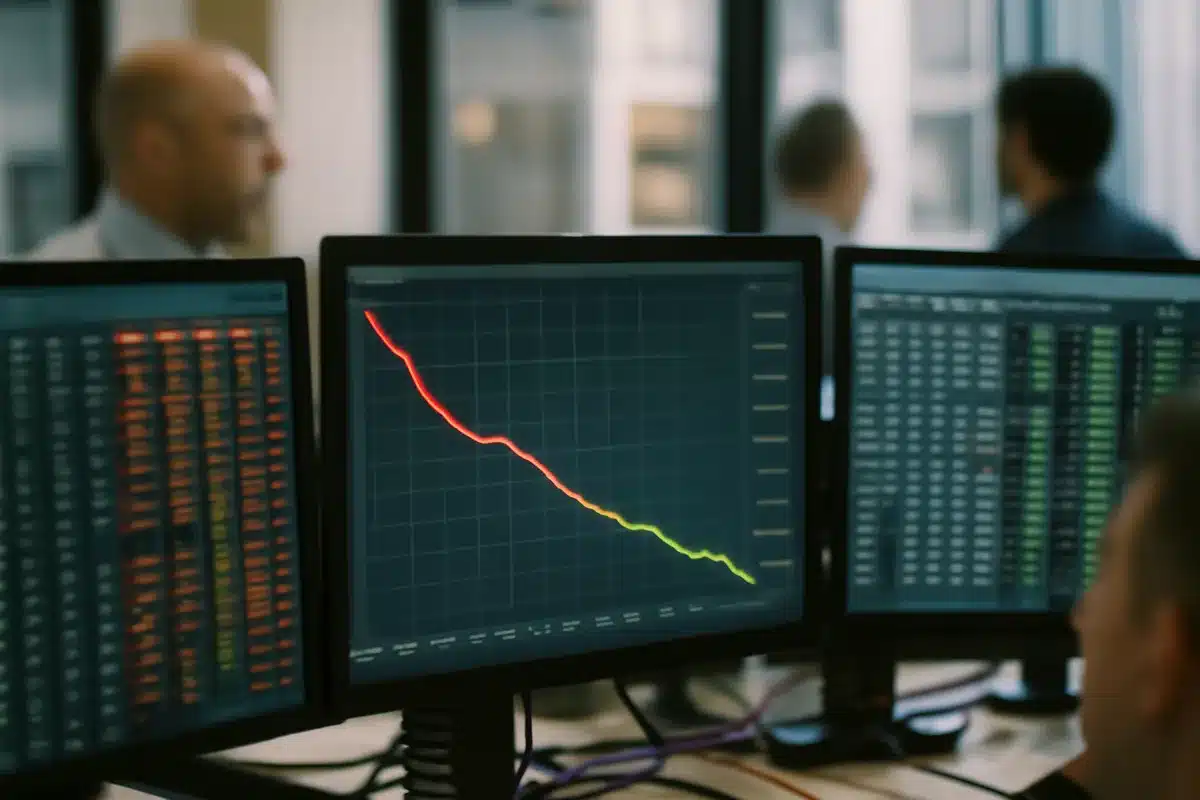
Long-term Treasury yields plunged following the announcement. The 10-year yield fell 5.7 basis points to 4.647%, while the 30-year bond yield dropped to as low as 5.18%, according to CNBC reporting.
The buyback expansion represents a significant escalation of a program that the Treasury first launched in May 2024. That initial program started with a $2 billion maximum per operation, designed to improve liquidity in the Treasury market by allowing the government to repurchase older, off-the-run securities. The program was created as part of broader initiatives to strengthen market functioning and reduce borrowing costs.
Bessent’s move signals concern over rising long-term borrowing costs. Long-dated Treasury yields had reached their highest levels since 2007 amid inflation worries and geopolitical tensions, according to reporting from The Washington Post. The Treasury Secretary acted to break what some observers described as a “bond market fever” driven by expectations of persistent inflation.
The Treasury has been gradually expanding the buyback program’s scope. In July 2025, the aggregate quarterly limit increased from $30 billion to $38 billion, according to an official Treasury statement. By August 2026, the Treasury had already bought back approximately $50 billion in debt for the year, a modest but meaningful portion of the overall Treasury market, according to MarketWatch reporting.
When the Treasury last expanded the buyback program in September 2025, it extended the initiative to additional $26 billion of outstanding debt, predominantly longer-maturity notes and bonds. The pattern of incremental expansion reflects the Treasury’s effort to manage debt markets without dramatic interventions that might alarm investors about underlying fiscal concerns.
The announcement of doubled buyback capacity came as bond markets have faced sustained selling pressure. The yield surge reflects broader economic concerns: inflation expectations remain sticky, and the Federal Reserve’s path for interest rates has become uncertain. By purchasing longer-dated securities directly, the Treasury can reduce supply of those bonds in the market, potentially supporting prices and lowering yields without requiring the Federal Reserve to conduct new quantitative easing.
Sources
- Reuters — Treasury announcement to double buyback sizes to at least $4 billion per operation
- CNBC — 10-year yield fell 5.7 basis points to 4.647% and 30-year bond yield movement after announcement
- NBC News — 30-year Treasury yield movement to as low as 5.18% following buyback announcement
- CNN — 30-year yield dropped nine basis points to 5.2% after announcement
- The Washington Post — Bessent’s actions to address rising long-term Treasury yields and bond market conditions
- MarketWatch — Treasury buyback totals and market context for 2026
- U.S. Treasury Department — Official press release and historical buyback program details
- International Monetary Fund — Liquidity support buyback program launch in May 2024