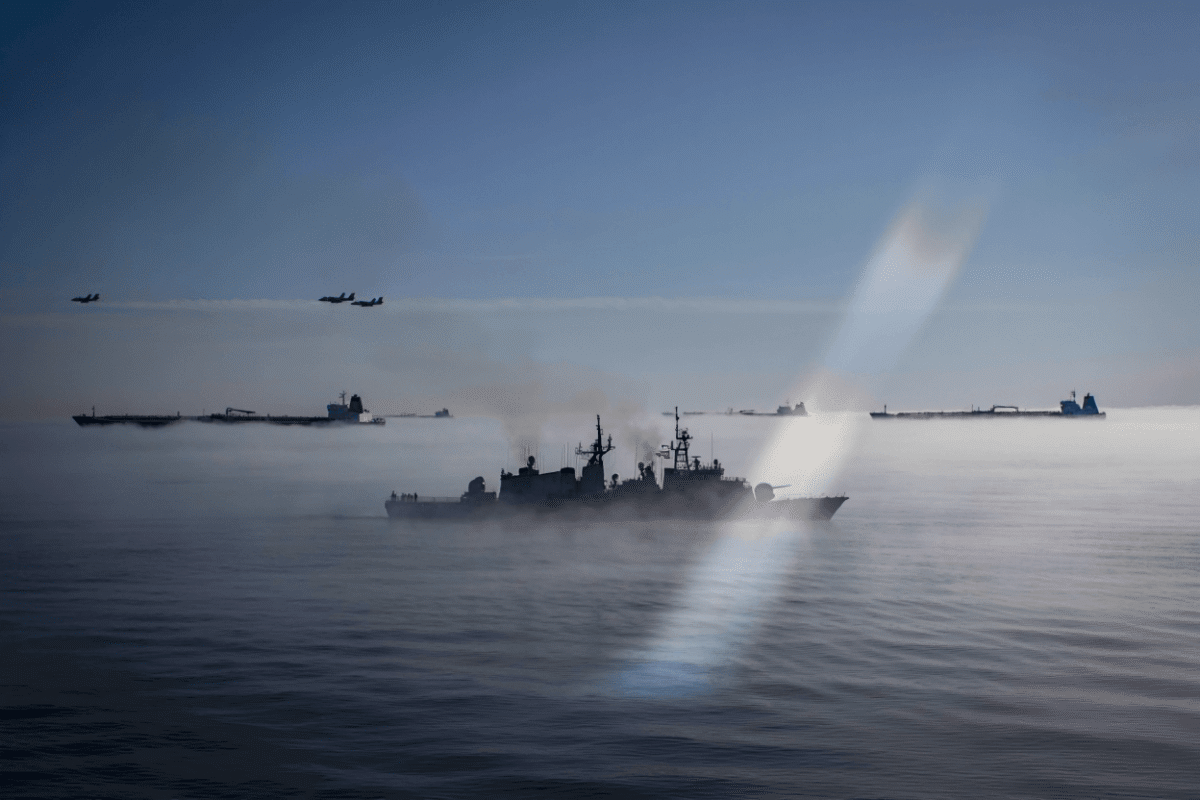
The United States resumed a naval blockade of Iranian ports on July 14, 2026, as American forces launched their fourth consecutive night of strikes on Iran, marking a sharp escalation following the collapse of a ceasefire agreement signed just weeks earlier.
US Central Command announced the blockade took effect at 4 p.m. ET on Tuesday, targeting vessels traveling to and from Iranian ports and coastal areas in the Strait of Hormuz. The announcement came hours before the military struck targets across Iran including the port cities of Bushehr, Chah Bahar, Jask, Konarak, Abu Musa, and Bandar Abbas, according to CENTCOM. The five-hour mission deployed precision munitions against Iranian coastal defense systems, missile and drone sites, and maritime capabilities.
Global oil markets reacted immediately to the blockade announcement. Brent crude, the international benchmark, surged 9.59 percent to settle at $83.30 per barrel—its highest level since June 12 and its biggest single-day percentage gain in over six years, according to CNN reporting. The US oil benchmark, WTI, rose about 9.4 percent to $78.14 per barrel.
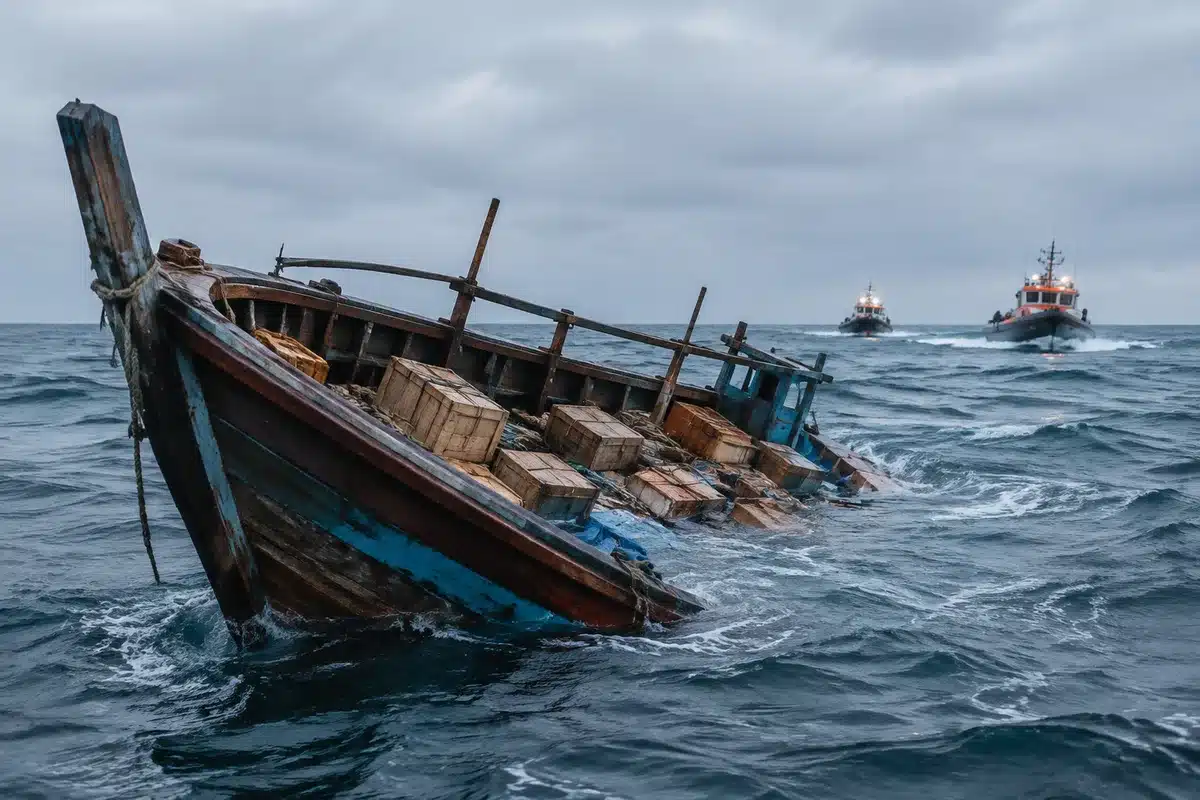
The escalation followed Iranian attacks on commercial shipping in the waterway. The UAE Defense Ministry reported that Iranian missiles struck two of its tankers—al-Bahiya and Mombasa—while they were in Omani territorial waters in the southern Strait of Hormuz. One Indian crew member was killed and eight others injured, the ministry said. Iran’s Islamic Revolutionary Guard Corps claimed it had struck and disabled what it called two “rogue supertankers” that had ignored warnings and attempted to pass through a mined route.
The Ceasefire Breakdown
The blockade’s reinstatement marked a dramatic reversal from June 18, 2026, when the US lifted an earlier blockade following a ceasefire agreement. On June 17, President Trump and Iranian President Masoud Pezeshkian signed a 14-point memorandum of understanding, known as the Islamabad Memorandum, designed to end the conflict and reopen the Strait of Hormuz for commercial shipping. The agreement included a 60-day window for negotiations on a final deal.
The ceasefire unraveled within weeks. On July 8, Trump declared the agreement “over” after renewed exchanges of strikes between the two sides. In media interviews on July 13, Trump characterized the memorandum as a “test” that Iran “didn’t honor.” He told conservative radio host Hugh Hewitt: “Memorandum of understanding when you’re dealing with sleazebags don’t mean much.” Trump added that he had previously described the agreement as achieving everything the US set out to accomplish, but said on Monday it “didn’t mean much.”
The renewal of military action marked a stark departure from the optimism surrounding the June accord. When the blockade was lifted three weeks ago, it was intended to formalize a broader peace process. Instead, both sides resumed attacks, with Iran striking US regional allies and commercial vessels while the US conducted successive rounds of air strikes.
Trump notified Congress that “limited” military action has resumed in Iran. He told reporters the US would ultimately control the Strait of Hormuz and insisted the war is moving “very fast,” though he declined to provide a timeline for when the conflict might end. The president also suggested the US might charge a 20 percent fee for safe passage through the critical waterway, though his own Secretary of State had described such a tolling system as “not even workable” just weeks earlier.
Sources
- CNN — live coverage of strikes, blockade resumption, oil price surge, tanker strikes, and Trump statements
- Fox News — reporting on CENTCOM blockade resumption and strike operations
- The New York Times — coverage of Trump’s reinstatement of the blockade and strike operations
- US Central Command — official announcements of blockade resumption and strike details
- UAE Defense Ministry — statement on tanker strikes and casualties
- Encyclopedia Britannica — timeline of blockade reinstatement on July 14
- Stars and Stripes — reporting on consecutive strike operations