U.S. Treasury Secretary Scott Bessent said a deal with Iran to reopen the Strait of Hormuz could be reached “today or tomorrow,” signaling that negotiations over the critical shipping lane may be nearing a resolution after months of closure that has disrupted global oil markets.
Bessent told CNBC on Tuesday that the White House might finalize an agreement with Iran that opens the Strait of Hormuz and moves “towards a more normalized position in this conflict,” according to reporting by ABC News. The Treasury secretary suggested the deal may materialize because of Trump’s repeated threats to resume large-scale strikes on Iran, citing damage to Iranian military capabilities.
“Their air force is wiped out, their navy is wiped out,” Bessent said, adding that “a substantial portion of their missiles are wiped out. More importantly, their missile production capability is wiped out.” He said he expects the strait to have free passage and that energy prices would “settle back down” once a deal is reached.
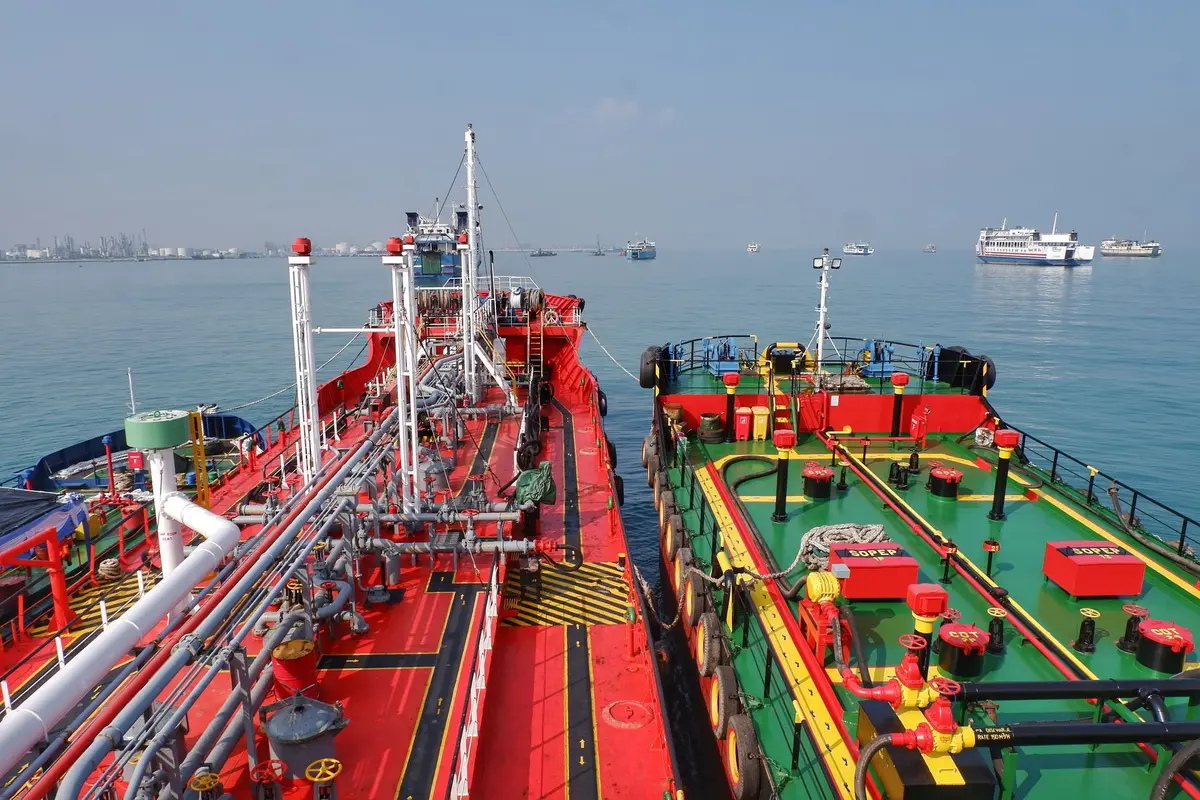
The Strait of Hormuz, the only entrance to the Persian Gulf, has been effectively closed since early March 2026 after the United States and Israel began attacking Iran on February 28. Iran retaliated by using drones, ballistic missiles, and small attack boats to threaten and attack vessels attempting to transit the strait, making insurance unavailable or prohibitively expensive for most commercial shipping.
The closure has created what the Brookings Institution described as “the largest supply disruption in the history of the global oil market.” Before the war, roughly 20 percent of global oil supply flowed through the strait—approximately 15 million barrels per day of crude oil and 5 million barrels per day of refined products. The International Energy Agency estimated that oil outputs from countries affected by the closure have fallen more than 14 million barrels per day.
One of the major sticking points in negotiations has been Iran’s demand to charge tolls or fees for passage through the strait. Trump dropped a proposal to impose a 20 percent fee on vessels transiting the strait, but Iran continues to seek a mechanism to collect payments. According to Al Jazeera reporting, Iran and Oman are in talks aimed at ensuring safe flow of traffic through the strait, with discussions focused on designating safe inbound and outbound shipping lanes.
Iran’s Foreign Ministry spokesman Esmaeil Baghaei said the talks have “been assessed positively at both the technical and political levels” as Iran works to develop mechanisms to manage traffic in the strait. Iranian diplomatic sources told Al Jazeera that a deal is within reach, with the possibility of an agreement by the end of Tuesday.

Qatar’s Foreign Ministry spokesperson Majed al-Ansari said during a press conference that “efforts are still ongoing with all the parties” to end the war between the U.S. and Iran. He noted that reopening the Strait of Hormuz and ensuring the safety of shipping were necessary to facilitate further negotiations. “What we do not want to see right now is a major escalation in our region,” Ansari said, adding that there is no agreement yet but “things may change in the coming hours or days.”
The reopening of the strait would have immediate economic consequences. Global oil prices have surged since the closure, with Brent crude rising over 15 percent in the first trading session after Iran’s blockade began. The Brookings Institution noted that even if the strait is reopened soon, “the oil market will take months to normalize as damaged infrastructure is repaired, stopped production is restarted, vessels travel to the areas where they are needed, and commercial inventories are replenished.”
Sources
- ABC News — Treasury Secretary Scott Bessent’s statement that a deal could come “today or tomorrow,” the broader context of U.S.-Iran negotiations and military damage assessments
- Al Jazeera — Iran’s Foreign Ministry statements on talks with Oman, Iranian diplomatic sources on deal timeline, analysis of Iran’s leverage and fee demands
- Brookings Institution — Historical context on the Strait of Hormuz closure, global oil market impact, the scale of supply disruption, and timeline for market normalization