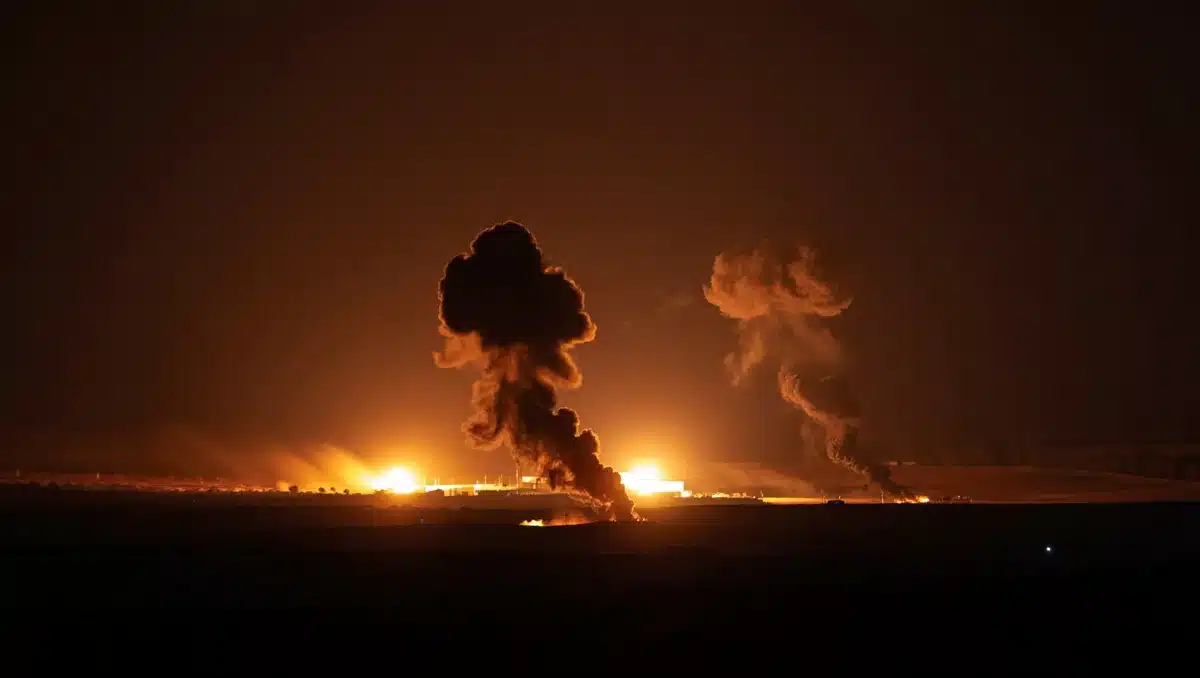
The U.S. military completed its 13th consecutive night of strikes on Iran on July 23 at 9 p.m. ET, targeting military command centers, drone storage facilities, communication networks, coastal surveillance sites, and maritime capabilities across the country. According to U.S. Central Command, the latest round of strikes lasted more than two hours and aimed to diminish threats Iran poses to civilian mariners and commercial vessels transiting the Strait of Hormuz.
The strikes mark a dramatic escalation in the ongoing U.S.-Iran conflict that resumed on July 13, 2026, when the United States formally ended a temporary ceasefire that had held since April. The April ceasefire, brokered after more than five weeks of fighting that began February 28, had gradually unraveled through May and June with sporadic attacks from both sides before collapsing entirely in early July.
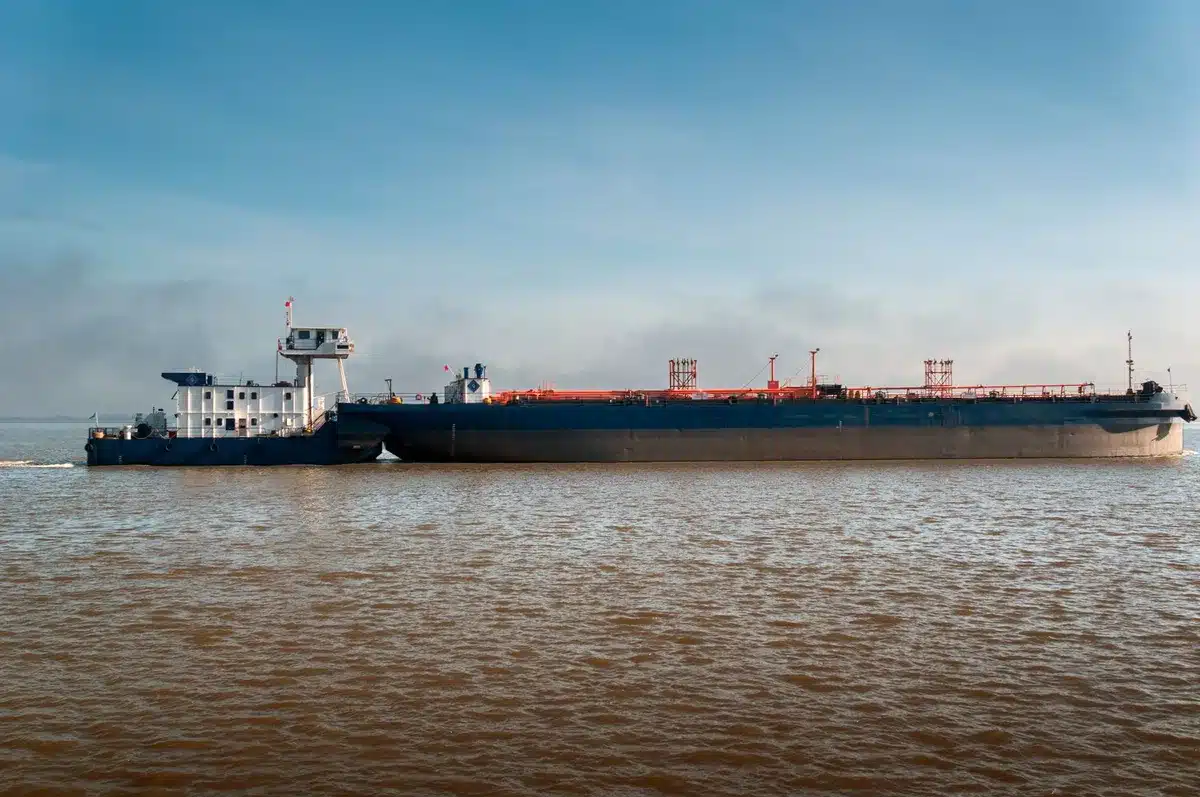
The resumption of sustained strikes follows a cycle of escalating attacks across multiple fronts. On July 23, President Trump promised “major military punishment” for Iran and its Houthi allies in Yemen after the Houthi fighters attacked two Saudi oil tankers in the Red Sea, extending the conflict into a second critical shipping chokepoint beyond the Strait of Hormuz. The Houthis have positioned themselves as Iranian allies in the broader regional conflict.
Since the conflict began in February, the stakes have grown significantly. More than 50,000 U.S. service members are currently operating across the Middle East, according to CENTCOM. The U.S.-Israeli war on Iran has killed thousands and displaced millions, with Iranian state media reporting explosions across the country during successive nights of bombardment.
The Strait of Hormuz, through which roughly one-third of global maritime oil trade passes, has become central to the conflict. Iran has declared the waterway closed and has threatened and attacked ships attempting to transit the strait. CENTCOM maintains that the international waterway remains open for transit and that commercial vessels continue to freely navigate with U.S. military support, though shipping traffic has plummeted from historic levels.
Trump has also threatened to target Iranian energy facilities and bridges, escalating rhetoric beyond military infrastructure. Iran has warned that if such threats were carried out, Iranian forces would target regional oil, gas, electricity, and economic facilities in response. International law experts have raised concerns that attacks on sites essential for civilians could amount to war crimes under the 1949 Geneva Conventions.
The targeting of military infrastructure reflects a stated U.S. objective to degrade Iran’s ability to conduct further attacks. Each night’s strikes have focused on similar categories of targets—missile and drone storage facilities, coastal radar sites, maritime capabilities, and command-and-control systems—suggesting a systematic campaign to disable Iran’s offensive and defensive capacity. The consistency of targets across 13 consecutive nights indicates a long-term operation designed to sustain pressure on Iranian military capabilities.
Sources
- U.S. Central Command (CENTCOM) — official statement on the 13th night of strikes, target categories, duration, and number of deployed service members
- Reuters — confirmation of 13 consecutive nights, strike duration, CENTCOM targets statement, Trump’s threat of “major military punishment,” Houthi attacks on Saudi tankers, Iran’s Strait of Hormuz closure, and international law concerns
- Britannica — ceasefire timeline (April 8, 2026) and context on conflict onset (February 28, 2026)
- Facebook/WWLP22News — confirmation that U.S. resumed strikes July 13, 2026, formally ending the temporary ceasefire
- Al Jazeera — Strait of Hormuz shipping impacts and context on recent attacks