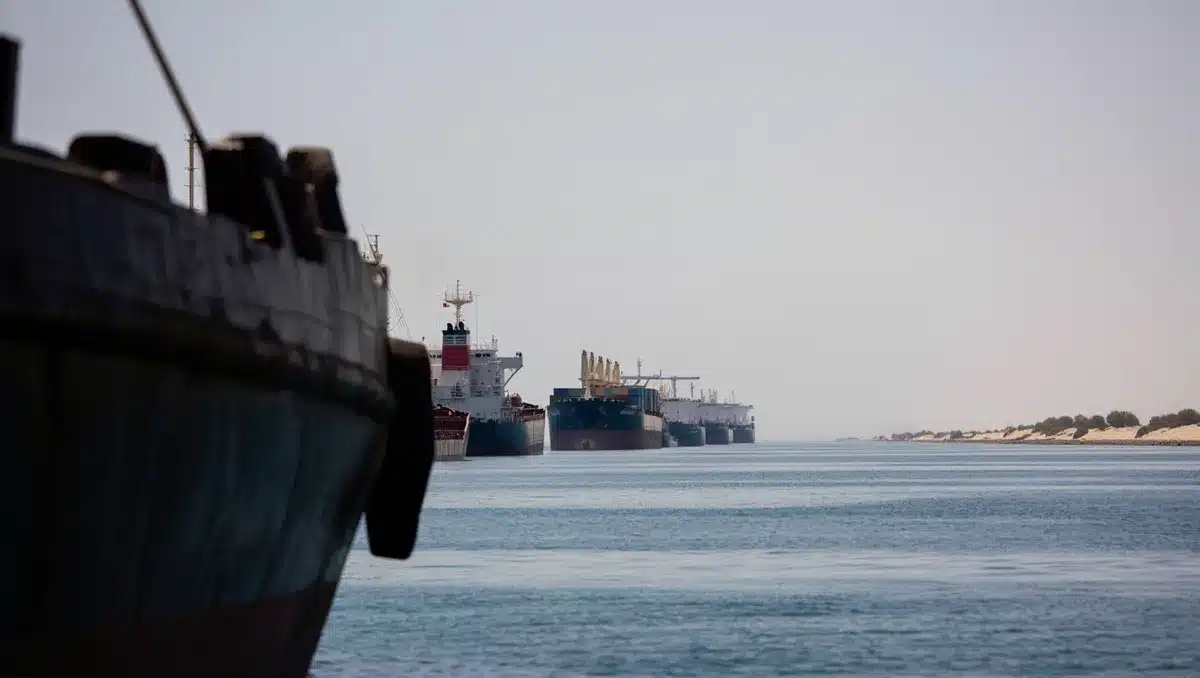
Yemen’s Iran-backed Houthis attacked two Saudi oil tankers in the Red Sea on Wednesday, marking the first strikes under a newly declared maritime blockade on Saudi Arabia and threatening to create a second critical chokepoint for global oil supplies alongside the near-closure of the Strait of Hormuz. Houthi military spokesperson Yahya Saree said forces used ballistic and cruise missiles as well as drones to target the tankers Encelia and Layla, which he said violated the blockade decision. The Encelia was struck near the Saudi port of Jizan, causing a fire at the bow, and the Saudi Press Agency confirmed the attack while reporting all crew members were safe. Reuters could not immediately confirm details of the strike on the Layla.
The blockade announcement came on July 20 after weeks of escalating regional tensions tied to the broader US-Iran war, which has disrupted shipping through the Strait of Hormuz. The Houthis, who control Yemen’s Red Sea coast, said they imposed the embargo in response to what they called Saudi Arabia’s “unjust and oppressive siege” of Houthi-controlled territory for nearly 12 years. The immediate trigger was the Saudi-led coalition’s bombing of Sanaa airport to prevent an Iranian plane from landing, which the Houthis characterized as an act of war.
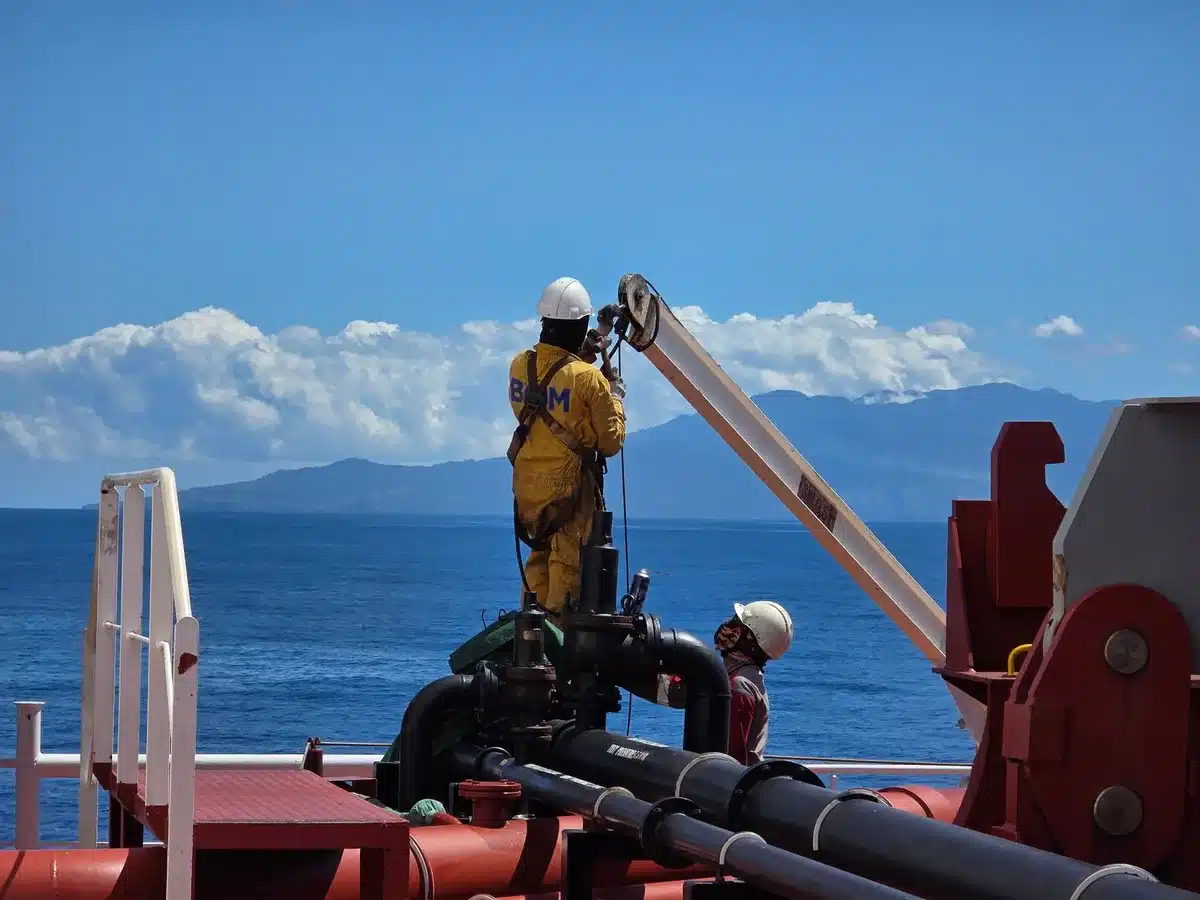
The attack sent oil prices surging. Brent crude futures climbed 4.8% to $98.59 per barrel by early Thursday morning, reaching their highest levels since a ceasefire collapsed last month. The price jump reflects growing concern that Houthi attacks could effectively close the Bab el-Mandeb Strait, a 29-kilometer-wide waterway connecting the Red Sea to the Indian Ocean. About 5 percent of global crude oil and refined petroleum products—roughly 4.1 billion barrels annually—pass through the strait. With the Strait of Hormuz already effectively closed due to Iran’s actions in the US-Iran conflict, a second chokepoint closure could block as much as 25 percent of the world’s oil and gas supply.
The disruption is already visible in shipping patterns. Following the Houthis’ blockade announcement, several tankers changed course to avoid the Bab el-Mandeb, heading north through the Suez Canal instead—a much longer and more expensive route to reach Asian markets. Two Chinese supertankers carrying a combined 4 million barrels of Saudi oil were attempting to exit the Red Sea via the Bab el-Mandeb Strait on Thursday, according to shipping data, as the window for safe passage narrowed. Saudi Arabia has been diverting millions of barrels per day by pipeline to Red Sea ports to circumvent Iran’s blockade of the Persian Gulf, but that alternative route is now under direct threat from the Houthis.
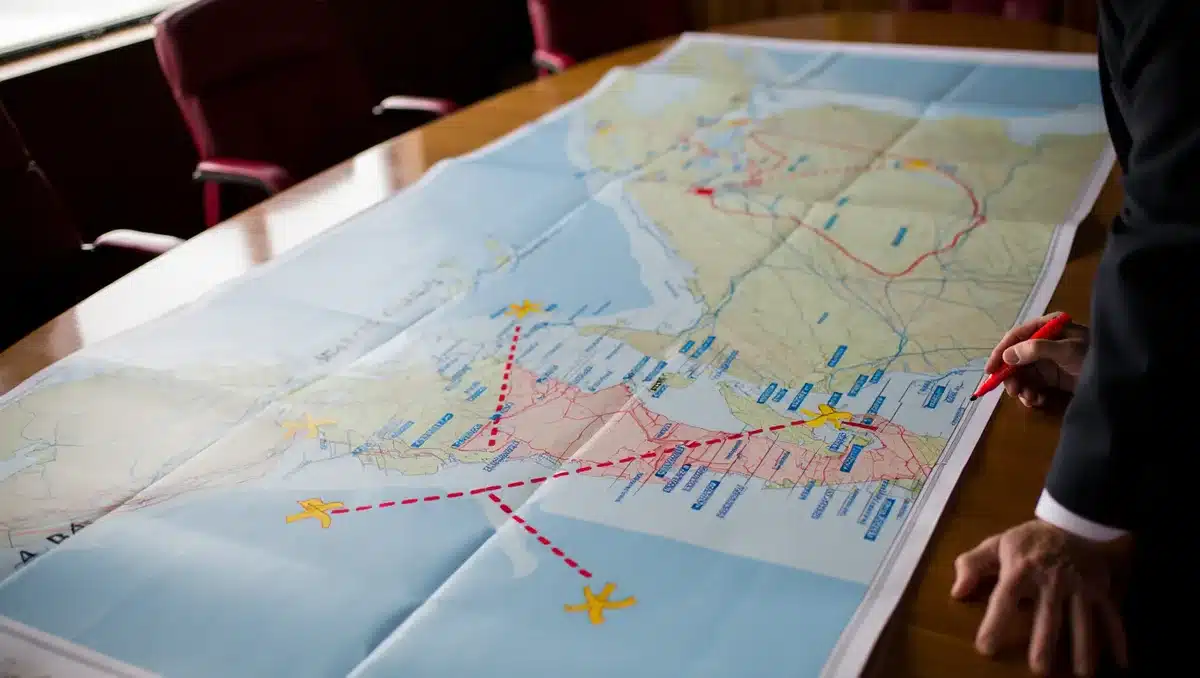
The Houthi attacks coincide with the US military’s 12th consecutive night of airstrikes on Iran, part of the escalating conflict that has unfolded since the collapse of an interim ceasefire in late June. US Secretary of State Marco Rubio told a diplomatic gathering in Southeast Asia that the price Iran pays “will get higher every night” until Tehran agrees to a lasting peace deal. Iranian military officials, meanwhile, vowed to continue retaliatory strikes as long as the US attacks Iranian infrastructure and coastal areas. Iran has already demonstrated precision targeting capability by striking CIA facilities and US military sites across the region, according to multiple US intelligence sources.
The Houthis’ blockade strategy echoes their earlier campaign against Israeli shipping in late 2023 and early 2024, when they successfully disrupted Red Sea commerce and forced the closure of Israel’s Eilat port. A May 2025 agreement mediated by Oman eventually ended those attacks, but analysts note the group’s proven ability to enforce maritime restrictions through sustained pressure. “The people questioning if the Houthis can successfully do a blockade against the Saudis should remember how successfully the Houthis closed access to the Red Sea for Israeli ports,” said Hussain al-Bukhaiti, a journalist based in Sanaa, in an interview with Al Jazeera. The group’s stated goal is to force Saudi Arabia to lift its embargo on Houthi-controlled ports and airports.
The timing compounds existing supply pressures. High oil prices are stoking inflation globally and putting President Trump’s Republican allies under pressure ahead of congressional elections in November. Analysts have warned that a full blockade of Bab el-Mandeb could push oil prices above $115–$120 per barrel, a level not seen since the early days of the US-Iran conflict in February 2026. The Red Sea crisis now represents a potential widening of the Iran war that could strain US military resources already committed to operations across the region, current and former US officials have cautioned.
Sources
- Al Jazeera — Houthi military spokesperson Yahya Saree’s statement on tanker attacks, Saudi Press Agency confirmation of Encelia strike, background on blockade announcement and Houthi rationale.
- Reuters — Houthi claims of striking Encelia and Layla tankers, maritime security source reporting distress call from Encelia near Jizan, Brent crude price movement to $98.59 (+4.8%), shipping data on Chinese supertankers, Iran’s military response, and analyst commentary on oil price risks.
- The Guardian — Houthis’ threats to attack tankers using Saudi ports, context on maritime embargo announcement.
- CNBC — Houthis’ maritime embargo of Saudi Arabia, tanker rerouting data.
- BBC — Shipping disruption data and tanker course changes after Houthi threats.
- ALREADY_RETRIEVED pool — US completion of 12th night of strikes on Iran (July 23, 2026), Brent crude surge to near $98.78 per barrel.