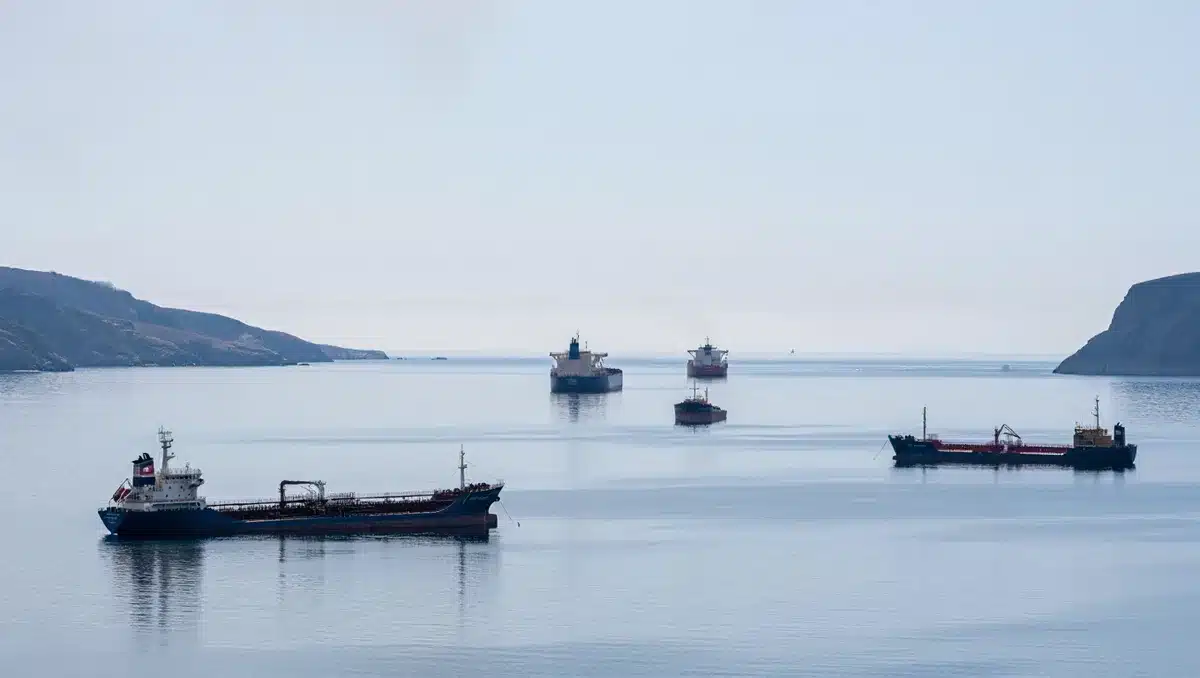
Iran has rejected an Omani proposal to evenly divide control of the Strait of Hormuz, demanding instead that Tehran take the lion’s share of the critical waterway, according to the Wall Street Journal. The rejection on July 28 marks a significant setback to international mediation efforts aimed at reviving stalled US-Iran peace negotiations and reopening the strategic shipping lane.
Oman, which sits opposite Iran across the strait, had suggested a temporary plan to establish separate lanes of control as a confidence-building measure. But Iran’s top diplomats rejected the compromise, insisting on dominance over the inbound corridor and control of mine-clearance operations.
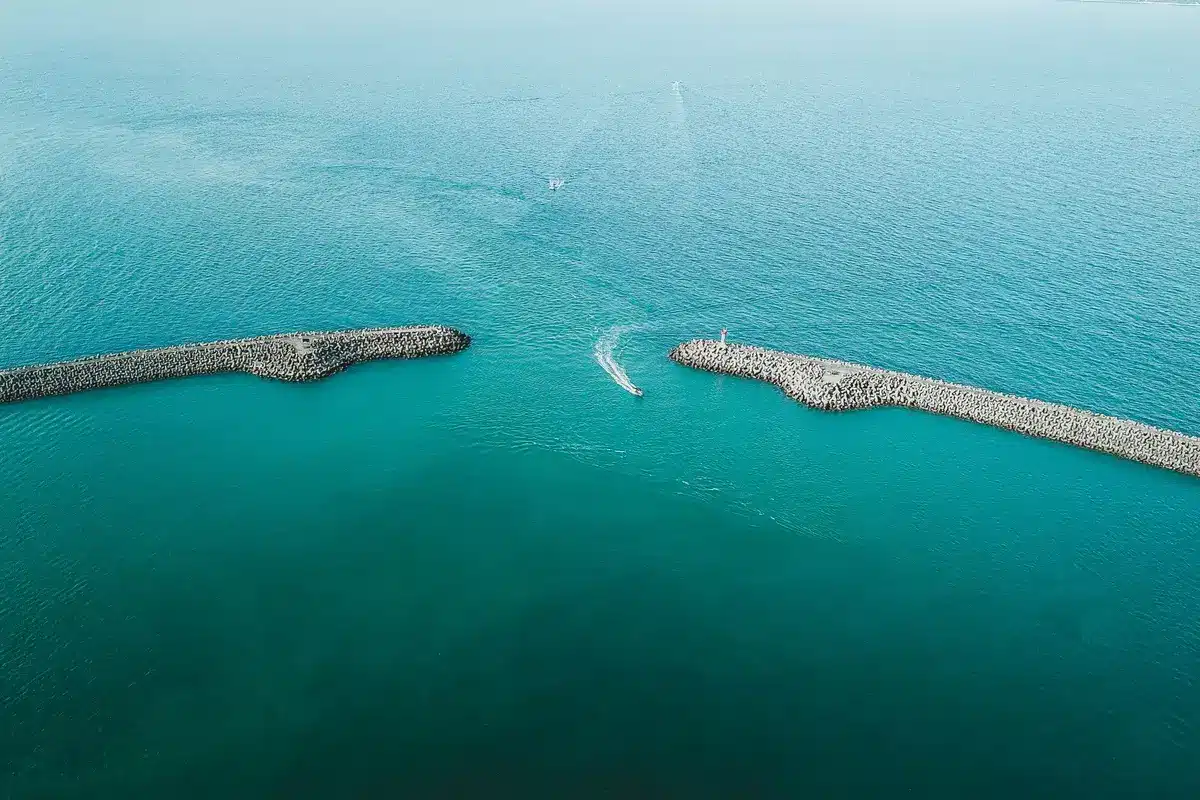
The Strait of Hormuz carries approximately 20 to 25 percent of the world’s daily oil and liquefied natural gas supplies, making it one of the globe’s most critical energy chokepoints. The waterway has been effectively closed since Iran declared it shut in February 2026, following military escalation with the United States and Israel.
Iran has made clear it will not resume direct talks with the United States. Foreign Ministry spokesperson Esmaeil Baghaei stated on July 27 that Tehran “has not sought to resume talks with the US” and that the Strait of Hormuz “remains closed.” Instead, messages between the two sides are being relayed through third-party mediators, chiefly Oman and Qatar.
Diplomacy Stalled as Demands Diverge
A memorandum of understanding signed in June 2026 had aimed to give both sides 60 days to negotiate a broad peace deal and reopen the strait without tolls or restrictions. That agreement has largely collapsed, with the US demanding Iran stop attacks on shipping and open all lanes unconditionally, while Iran refuses to cede control of the waterway.
President Donald Trump has signaled impatience with the pace of negotiations. Speaking to Axios on July 27, he said he would not allow “much time” before restarting military strikes, stating: “Either it goes fast or not at all.” The US has simultaneously paused bombing campaigns while maintaining a naval blockade of Iranian ports, with the military reporting it has turned back 20 commercial vessels since reimposing the embargo.
The closure of the Strait of Hormuz has rippled through global energy markets and supply chains. Oil prices have remained volatile, and countries including Italy and Germany have temporarily reduced fuel taxes to cushion the impact on consumers. Shipping costs have surged, and transit times for goods routed around the strait have extended by weeks.
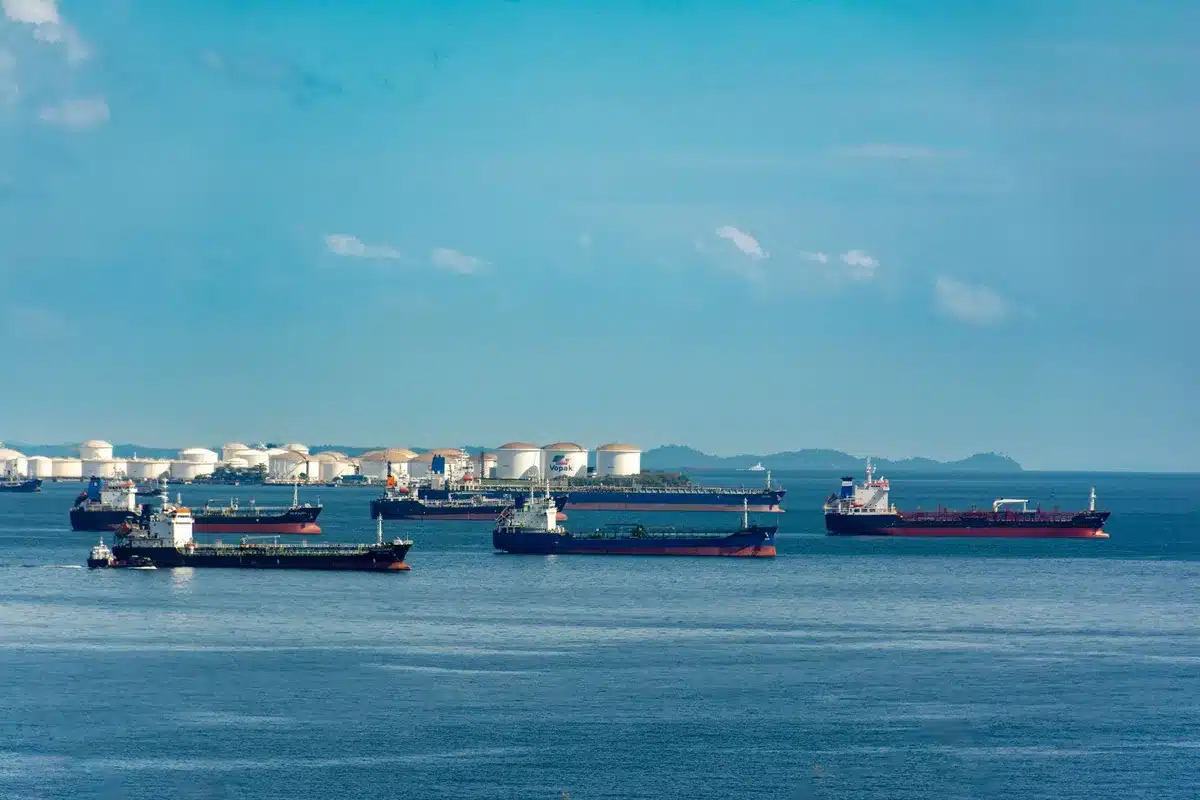
The standoff reflects deeper disagreements over the strait’s future governance. Iran has demanded not only control over shipping corridors but also the right to charge fees for passage and conduct all mine-clearance operations itself—conditions the US and its allies have rejected as unacceptable restrictions on international commerce. Mediators remain engaged, but the gap between the two sides appears to be widening rather than narrowing as military tensions flare anew across the Middle East.
Sources
- Wall Street Journal — Iran’s rejection of Omani proposal to share Strait of Hormuz control, demanding greater authority over the waterway
- Deutsche Welle — Iran’s Foreign Ministry statement that it has not sought talks with the US, the Strait remains closed, and mediation continues through third parties
- Al Jazeera — Iran’s dismissal of Omani proposal, US blockade of Iranian ports, and Trump’s statements on military readiness
- Reuters, Bloomberg, and multiple energy analysts — Strait of Hormuz carrying 20-25 percent of global daily oil and LNG supplies; impact on global shipping costs and energy prices