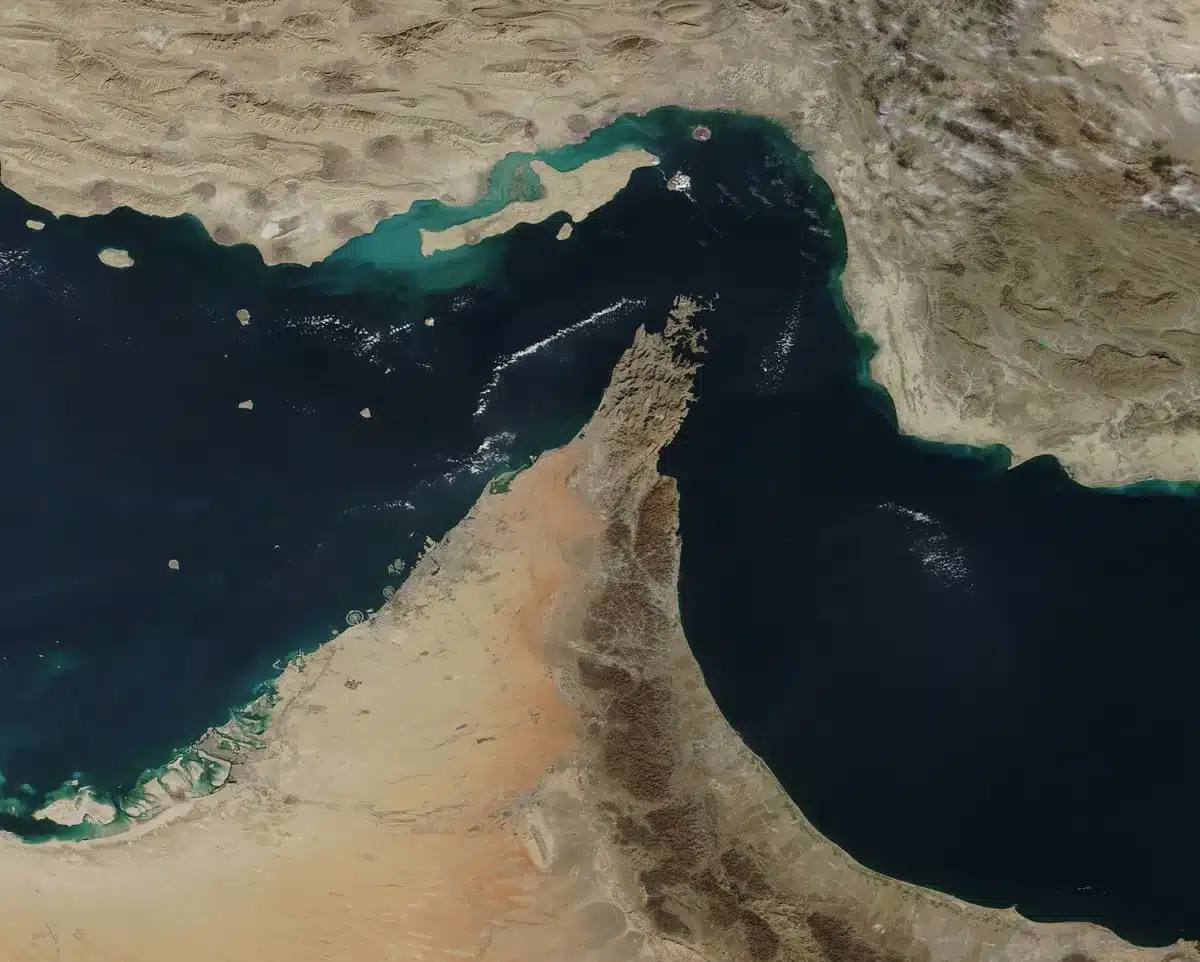
Commercial shipping through the Strait of Hormuz has collapsed to single-digit daily transits as renewed US-Iran military strikes intensify, with only three vessels crossing the vital waterway in a 24-hour period on July 17 and just six on July 22, marking the lowest traffic levels since May amid the escalating conflict.
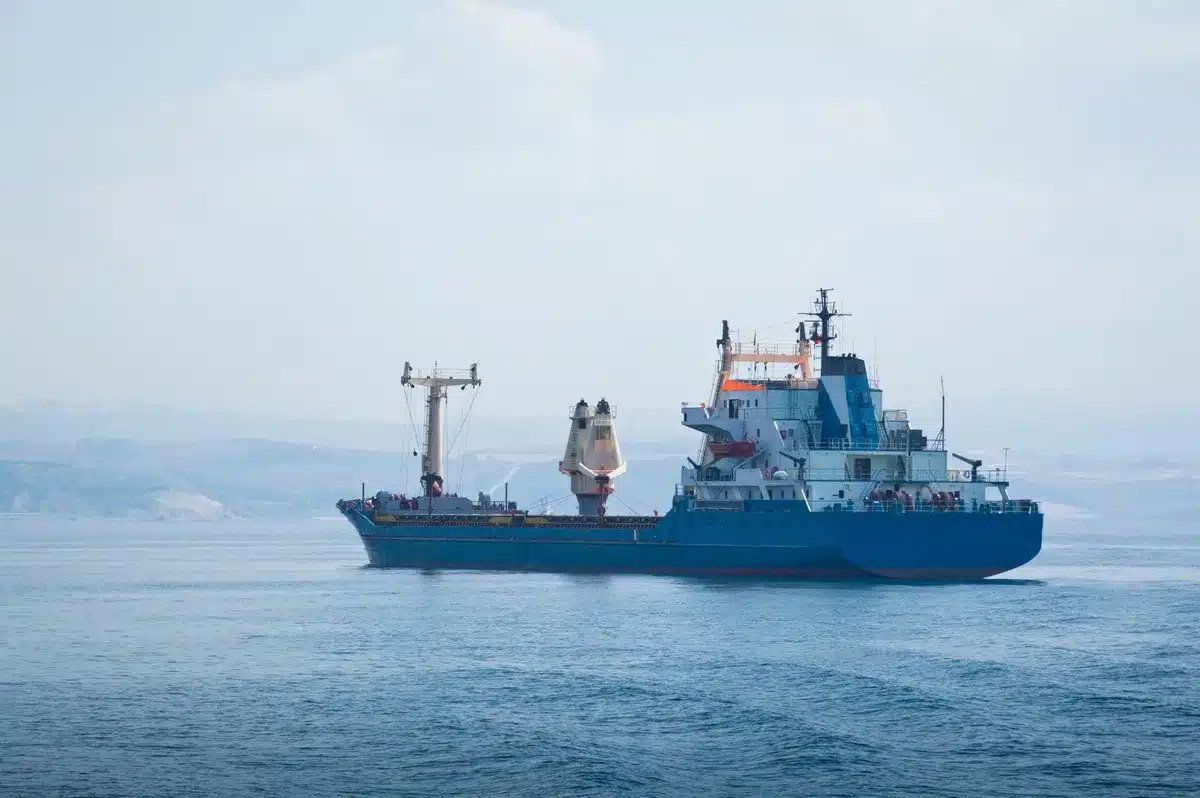
The drastic decline reflects a near-total halt in maritime commerce through one of the world’s most critical energy corridors. According to shipping data, the sanctioned product tanker Miraan, a small liquefied petroleum gas carrier named Norita, and the bulk carrier Maha Yaya were the only commodity vessels to cross the strait on July 17, with most ships either stopping before entry or reversing course following Iranian attacks and a renewed US blockade on shipping to and from Iranian ports.
The disruption stems from the breakdown of a US-Iran ceasefire reached in June. After the interim agreement collapsed in early July, both sides resumed military operations around the Strait of Hormuz, one of the world’s most important energy corridors, carrying crude oil, petroleum products, and liquefied natural gas from Gulf producers to international markets.
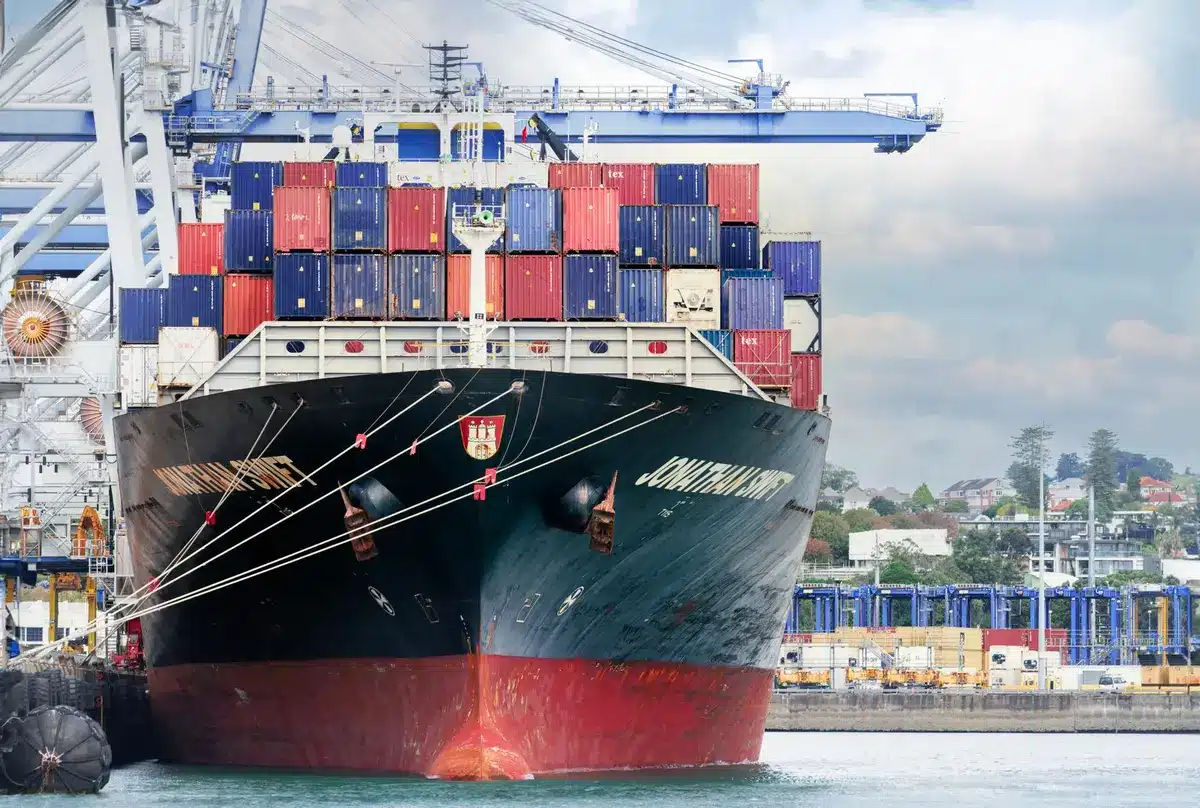
The US military has carried out 13 consecutive nights of strikes against Iranian targets as of July 23-24, according to US Central Command. The operations target what the Pentagon describes as maritime capabilities, drone facilities, and command centers intended to protect commercial shipping. The escalation accelerated after Iranian cruise missiles struck two United Arab Emirates tankers in the southern passage of the strait in Omani waters on July 13, killing one Indian crew member and injuring eight others.
The blockade prevents all ships from entering or exiting Iranian ports, while Iranian attacks on commercial vessels have forced shipping companies to suspend routes or divert around the longer Cape of Good Hope passage. The International Maritime Organization confirmed 56 shipping incidents linked to the regional conflict and 17 seafarer fatalities as of mid-July.
The traffic collapse has turbocharged global oil prices. Oil futures surged as US-Iran conflict disrupts the Strait of Hormuz, with Brent crude crossing $100 per barrel on July 23 for the first time in over two months, according to market data. WTI and Brent benchmarks have risen 18% and 22% respectively over the past month, embedding a pronounced geopolitical risk premium as traders price in prolonged supply disruption.
When the ceasefire took effect in June, tanker traffic through the Strait of Hormuz plunged to a two-month low as tensions eased temporarily, but the resumption of strikes after July 7 has driven traffic back to near-standstill levels. Shipping data showed that before the June ceasefire, traffic through the strait had plummeted by more than 95 percent from pre-war levels in February.
The Pentagon continues to insist the Strait of Hormuz remains open, but commercial operators have largely abandoned the route. A US blockade that took effect nine days before July 23 has redirected 12 vessels since its reinstatement, according to US Central Command. The blockade is intended to pressure Iran by preventing all maritime commerce to and from Iranian ports, a strategy that mirrors approaches used earlier in the 2026 conflict.
Sources
- Anadolu Agency — reported only 3 vessels transited the Strait of Hormuz in 24 hours as of July 17, the lowest daily transit level since May.
- ShipFinder — tracked 6 vessels transiting on July 22, the lowest count in the past 30 days, and detailed the composition of traffic and broader Persian Gulf vessel activity.
- CBS News — confirmed the US military completed its 13th consecutive night of strikes on Iran as of July 23-24, targeting drone sites and maritime capabilities.
- Reuters — reported that two UAE tankers were struck by Iranian missiles on July 13, killing one crew member and injuring eight others.
- International Maritime Organization — confirmed 56 shipping incidents and 17 seafarer fatalities linked to the regional conflict as of mid-July.