President Donald Trump dropped his plan to impose a 20% fee on cargo transiting the Strait of Hormuz on July 14, 2026, just one day after announcing it, instead pivoting to trade and investment deals with Gulf states. “Based on highly productive conversations with Middle East leadership, I have decided to replace the 20% United States Reimbursement Fee with Trade and Investment Deals that the various Gulf States will be making into the United States,” Trump said in a post on Truth Social.
The swift reversal came after an intense 24-hour diplomatic push by Gulf allies, including Saudi Arabia, the United Arab Emirates, Bahrain, and Qatar, who lobbied Trump to abandon the toll proposal. According to CNN, these leaders worked frantically to reach Trump by phone on Monday and Tuesday morning to talk him out of the idea altogether, and their appeals succeeded.
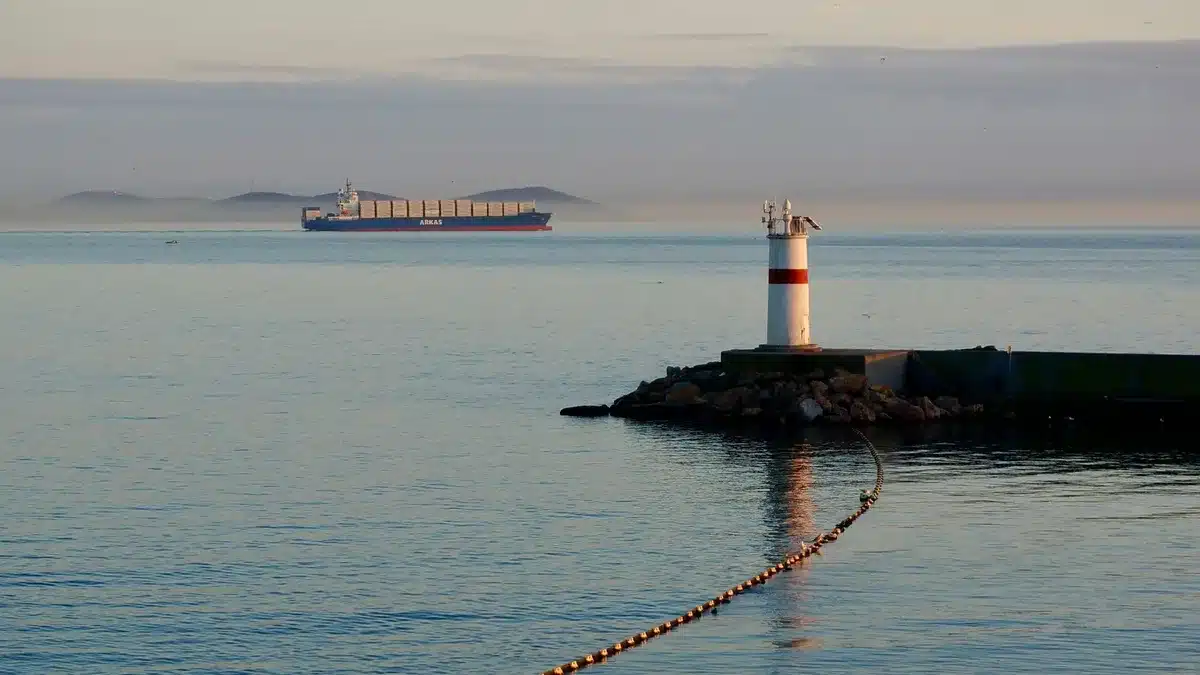
Trump had announced the fee proposal on Monday amid escalating tensions with Iran over control of the strategically critical waterway. He framed the 20% charge as “reimbursement” for the costs the U.S. has incurred protecting the strait, declaring that “The U.S.A. will be, from this point forward, known as ‘THE GUARDIAN OF THE HORMUZ STRAIT.'” The Strait of Hormuz is one of the world’s most critical shipping routes, with roughly one-third of global maritime oil trade passing through it.
Trump’s own advisers had warned him for months not to pursue the toll, according to sources familiar with the discussions cited by CNN. They argued that new restrictions would only push oil and gas prices higher, adding to political pressure on Republicans ahead of November’s midterm elections. Additionally, the proposal contradicted principles the U.S. administration had publicly laid out opposing any country imposing fees on international waterways. Secretary of State Marco Rubio had stated in late June that “No country is allowed to charge tolls or fees on an international waterway. That’s existing international law.”
The reversal also eliminated a potential diplomatic gift to Iran. Iranian Foreign Minister Abbas Araghchi seized on Trump’s initial announcement, saying: “POTUS is absolutely right. Whoever provides secure and safe passage of commercial vessels through the Strait of Hormuz should be compensated for this service.” Araghchi suggested Iran would be “fair” with its own fees, implying that the U.S. toll would legitimize Iranian charges.

In place of the toll, Trump announced that Gulf states have committed to new, undefined sums in U.S. investments. “Investments will be MASSIVE but, at the same time, extraordinarily good for them, and their future,” he said, without specifying amounts or timelines. The Gulf nations have previously committed to invest trillions of dollars into the U.S., though analysts have questioned how much of those pledges will materialize over the coming years.
Trump reaffirmed that the Strait of Hormuz would remain open to global shipping, with one exception: “We will therefore have a FULL Blockade, but only on Ships coming to and from Iranian ports, or carrying anything have to do with Iranian cargo.” The U.S. has maintained a naval blockade on Iran-linked shipping as part of its broader military campaign against Tehran in the context of the ongoing Iran war.
The episode highlighted Trump’s transactional approach to foreign policy and his willingness to reverse course when faced with coordinated pressure from allies. White House officials framed the decision as pragmatic, with one official stating that the president “wisely determined that the United States should be reimbursed for our many years of protecting ships transiting this waterway. Ultimately, our Gulf allies offered to provide investments into the United States, which the President found preferable.”
Sources
- Reuters — Trump’s announcement on July 14, 2026, dropping the 20% fee and pivoting to Gulf investment deals; his Truth Social statement and reaffirmation of the Hormuz blockade.
- CNN — Behind-the-scenes account of the 24-hour diplomatic push by Gulf leaders to reverse Trump’s decision; advisers’ warnings about oil price impacts and international law contradictions; Trump’s statement about receiving calls from “kings and emirs.”
- Bloomberg — Confirmation that Trump backed away from the 20% charge after U.S. allies in the Gulf urged him to do so.
- Al Jazeera — Trump’s pivot from the fee to Gulf investment deals and the context of the Iran war.
- PBS NewsHour — Trump’s reversal of the toll plan and announcement of alternative investment agreements with Gulf states.