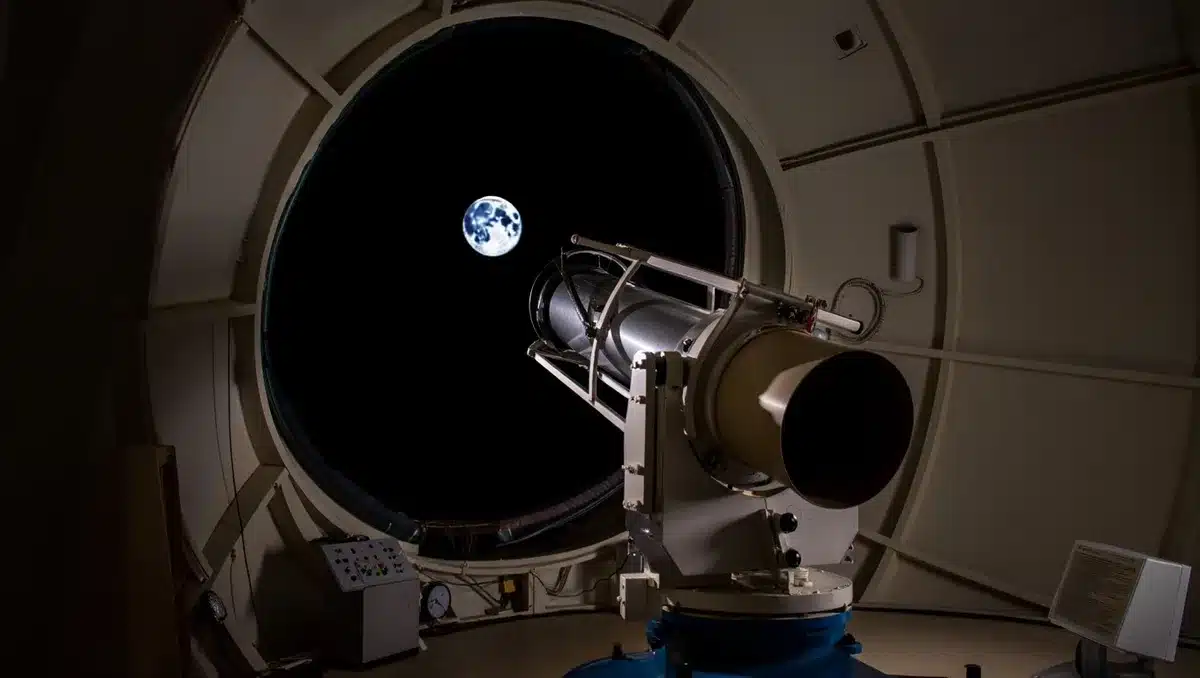
A spent SpaceX Falcon 9 upper stage is set to collide with the moon tomorrow at approximately 6:34 am UTC (2:35 am EDT), striking the lunar surface near Einstein Crater at more than 5,400 mph—seven times the speed of sound. The unintentional impact, predicted by space tracking expert Bill Gray, will mark only the second known human-made object to crash into the moon, and the first to hit the sunlit near side, making it potentially visible to telescopes on Earth.
The abandoned rocket segment measures about 40 feet long and weighs approximately 4,500 kilograms (10,000 pounds). It was left in orbit after launching two private lunar landers on January 15, 2025—one of which, Firefly Aerospace’s Blue Ghost, became the first private spacecraft to achieve a fully successful lunar touchdown.
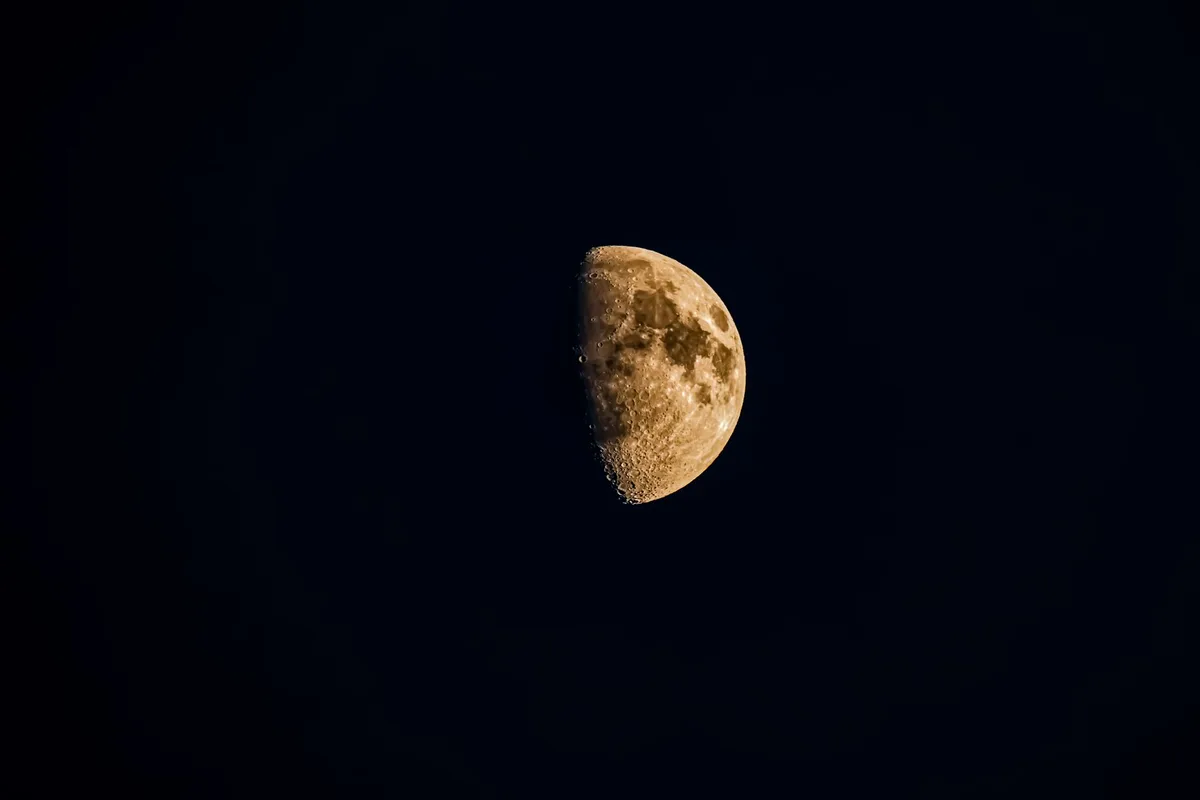
Computer simulations suggest the hollow upper stage—described by aerospace engineering professor David Goldstein at the University of Texas as “like an empty eggshell”—will collapse inward rather than burrow deep. The impact is forecast to displace approximately 12,700 kilograms of debris in a broad plume spreading as far as 183 kilometers wide, with a faster spike reaching nearly straight upward. The debris plume should peak about 90 seconds after impact, according to researcher William Jo, long enough for observers with steady telescope mounts to witness it.
Visibility will depend heavily on location and equipment. The plume will be roughly 30 to 300 times fainter than the blazing moon itself, and scattered moonlight will make viewing challenging. Astronomers at the University of Texas estimate that viewers north of a line from Massachusetts to Texas will peer through more than three times the usual thickness of atmosphere, washing out any signs of the debris. The best odds of seeing the impact plume lie in the US Southeast, according to astronomer Laurence Trafton.
NASA’s Lunar Reconnaissance Orbiter and South Korea’s Danuri lunar orbiter will gather before-and-after images of the crash site. Fernando anticipates an impact crater nearly 90 feet across and 16 feet deep—too small to see from Earth but visible to spacecraft. Danuri will pass within a mile or two of the SpaceX rocket just two minutes before impact, according to Los Alamos National Laboratory’s Benjamin Fernando.
Precedent and Future Implications
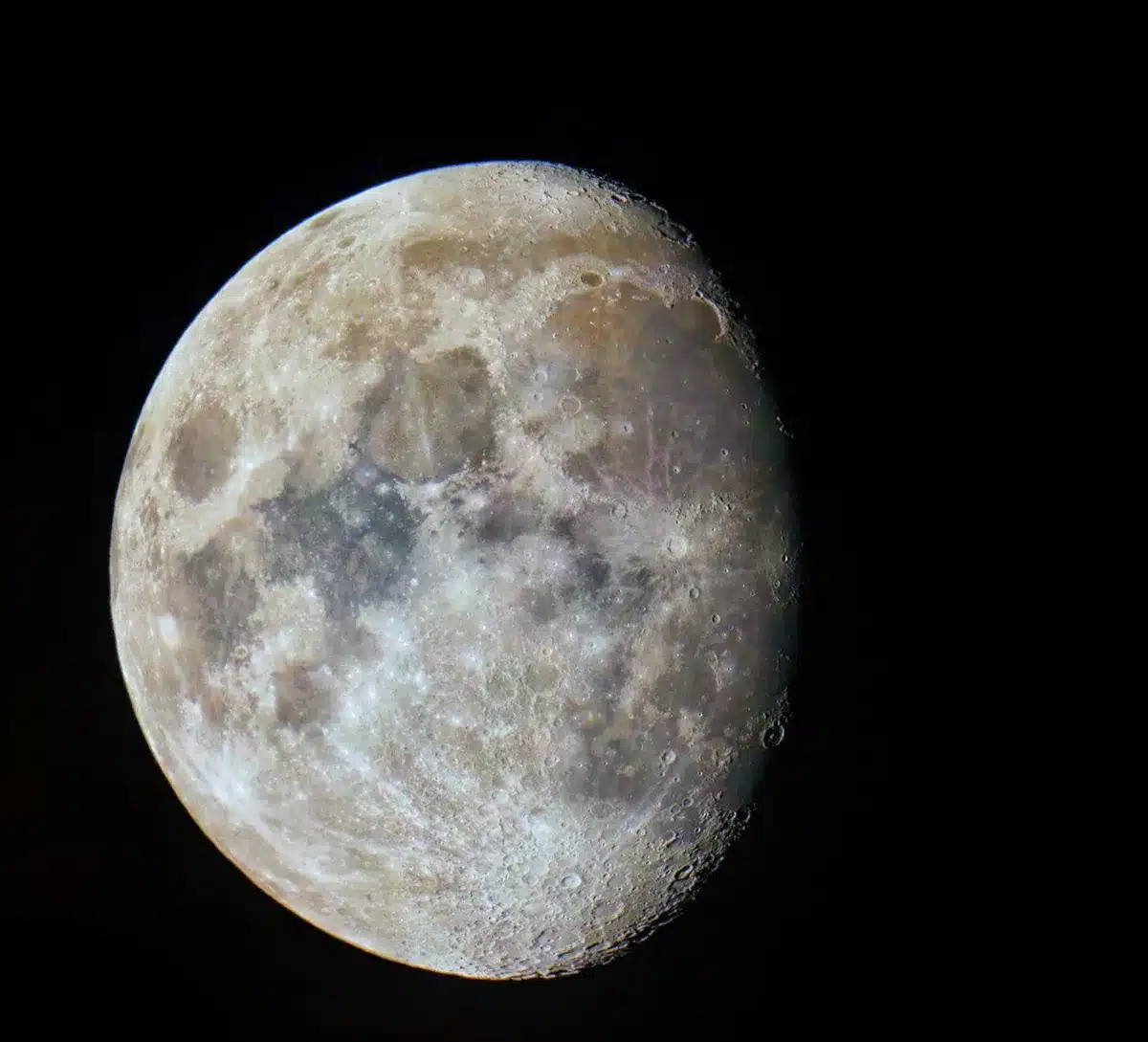
A Chinese rocket segment created a double crater on the moon’s far side in March 2022, marking the first known unintentional human-made debris impact on the lunar surface. When NASA’s Lunar Reconnaissance Orbiter examined the site, it spotted a double crater roughly 28 meters wide. The upcoming SpaceX impact will be the second such event, but the first on the moon’s near side—and thus the first with a realistic chance of being observed from Earth.
Scientists view this collision as a crucial opportunity to understand lunar surface behavior before human activity intensifies. The United States and China are both racing to land astronauts on the moon within the next few years, and NASA plans to build bases on the lunar surface. Every lander leaves spent hardware in orbit with the potential to impact the moon uncontrollably. “This impact will not be a problem,” retired astrophysicist Jonathan McDowell said. “But in a future where there are long-term bases on the moon, similar impacts would be an issue and we need not to leave rocket stages in chaotic orbits of this kind.”
Researchers are particularly interested in how lunar dust behaves during high-speed impacts. Moon rock is extremely abrasive, and particles ejected at speeds of 300 to 400 meters per second pose a hazard to future astronauts. “Dust control during lunar operations is going to be one of the biggest problems that’s faced,” Goldstein noted, referencing Apollo-era footage showing astronauts covered in lunar soil. This unplanned collision offers scientists a rare, well-tracked chance to observe and measure the phenomenon before human crews arrive on the surface.
Sources
- Wired — impact timing, speed, location near Einstein Crater; simulation details from William Jo and David Goldstein on debris plume size and composition; visibility conditions and geographic advantages; historical context of lunar impacts and future implications
- CNBC — impact speed (5,400 mph), timing, rocket weight and dimensions, location near Einstein Crater; expert commentary from Bill Gray, Benjamin Fernando, and Jonathan McDowell; historical precedent of 2022 Chinese rocket impact; future lunar exploration context
- NASA — 2022 Chinese rocket impact crater dimensions and location
- IFLScience — 2022 Chinese rocket double crater observation by Lunar Reconnaissance Orbiter