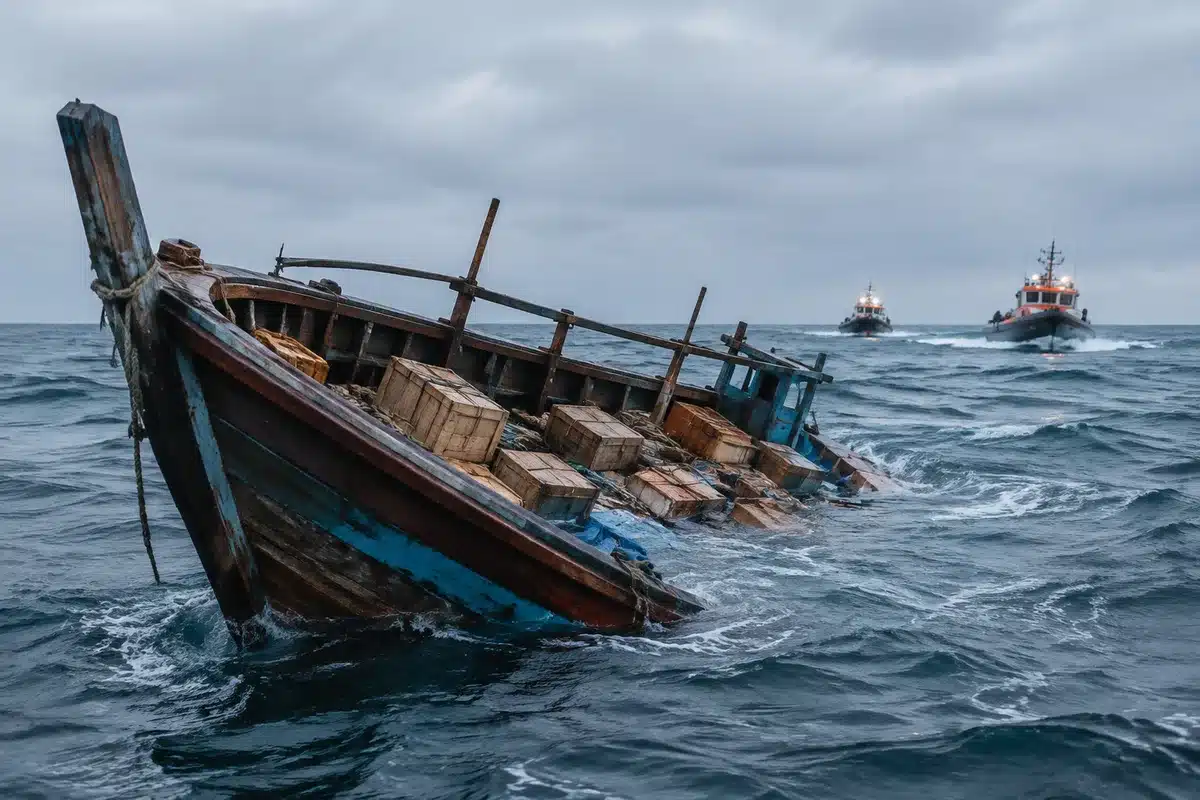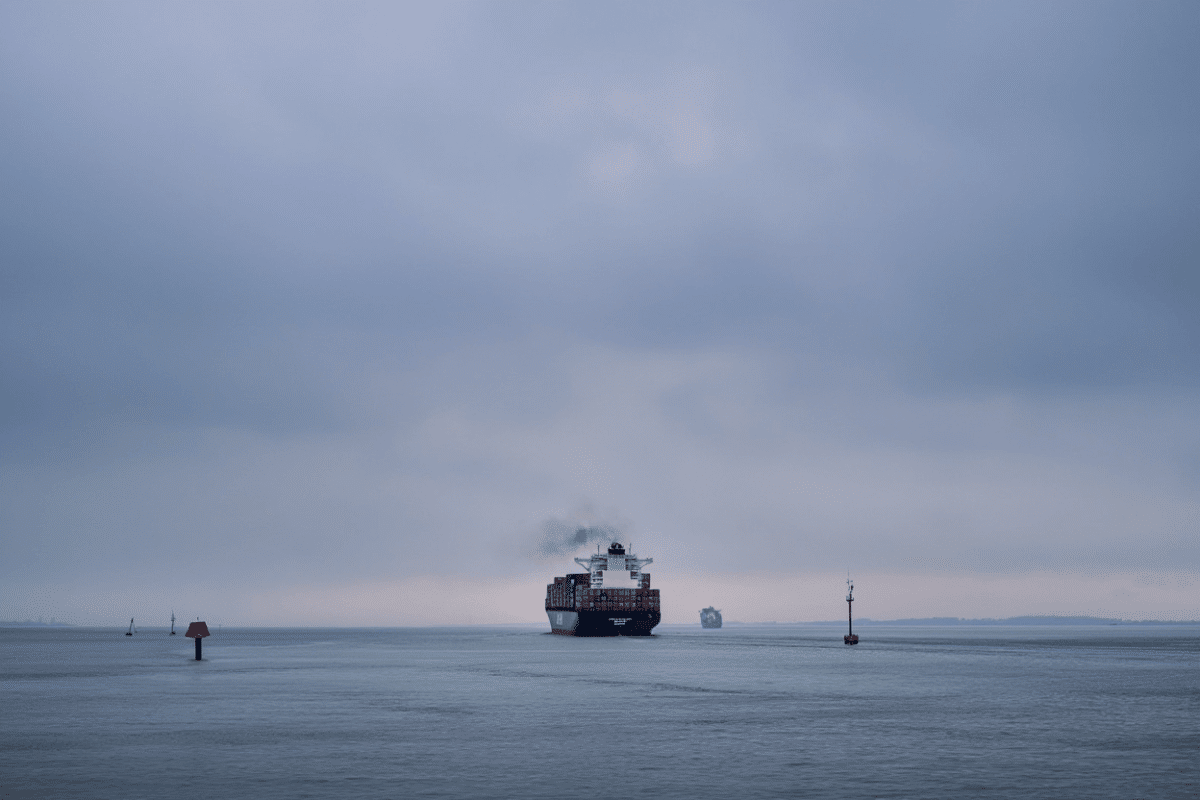
Iran declared the Strait of Hormuz closed on Sunday after firing on a Cyprus-flagged container ship that was traveling on what Tehran called an “unauthorized route,” reigniting a cycle of military escalation that threatens the vital shipping lane and a fragile ceasefire between the two nations.
The Islamic Revolutionary Guard Corps Navy said a vessel that “jeopardized maritime security by switching off its systems” was struck and brought to a halt. According to the U.S. Central Command, the container ship sustained “significant engine room damage” and a civilian crew member is missing.
The United States responded within hours by launching a third round of strikes against Iranian military targets. “The United States is imposing a heavy cost by continuing to degrade Iran’s ability to attack civilian mariners and commercial ships freely transiting the strait,” U.S. Central Command said in a statement.
Iran’s decision to close the strait comes as diplomatic efforts through Oman seek to resolve the standoff. Iran’s Foreign Minister Abbas Araqchi met his Omani counterpart on Saturday to discuss “appropriate mechanisms for the safe passage of ships through the strait of Hormuz.” Oman said both sides agreed to continue talks “at the technical and political levels.”
The latest confrontation marks a dangerous escalation in tensions that have persisted since a ceasefire agreement in early April. The war began on February 28, 2026, when the United States and Israel launched strikes that killed Iran’s then-supreme leader, Ayatollah Ali Khamenei. An interim ceasefire was reached in April, but the agreement has deteriorated rapidly over the past week as both sides exchanged fire repeatedly.
Earlier this week, Iran struck three commercial vessels in the Strait of Hormuz, prompting the U.S. to launch strikes hitting more than 80 Iranian military targets on July 7. Iran responded by attacking U.S. military positions in the region, including sites in Kuwait and Bahrain. The strikes killed at least 17 people in Iran and wounded 115 others, according to Iran’s Health Ministry.
The closure of the Strait of Hormuz carries enormous global consequences. About a fifth of the world’s oil supply transited through the waterway before the war began. Iran’s effective blockade since late February has contributed to energy price spikes and global inflation, though prices have moderated from wartime highs above $120 a barrel.
The U.S. has demanded that Iran publicly commit to stopping attacks on ships and acknowledge that all lanes through the strait will remain open with no tolls. Iran has insisted the waterway remain under its control and has sought to charge vessels for passage. Trump declared the ceasefire “over” on Friday but said the U.S. would continue negotiations.
Sources
- The Guardian — Iran’s IRGC statement about closing the strait, U.S. Central Command response, container ship damage details, diplomatic efforts in Oman
- Politico — Iran’s closure announcement, Supreme Leader Mojtaba Khamenei’s vow of revenge, Trump’s missile threats, ceasefire status
- Reuters — Iran’s statement on the closed strait, vessel incident details, diplomatic talks, Araqchi’s accusation of U.S. ceasefire violation
- U.S. Central Command — Confirmation of strikes hitting over 80 Iranian targets on July 7, details of military response
- Congress.gov — Historical context on Strait of Hormuz closure beginning March 4, 2026, impact on global oil trade