
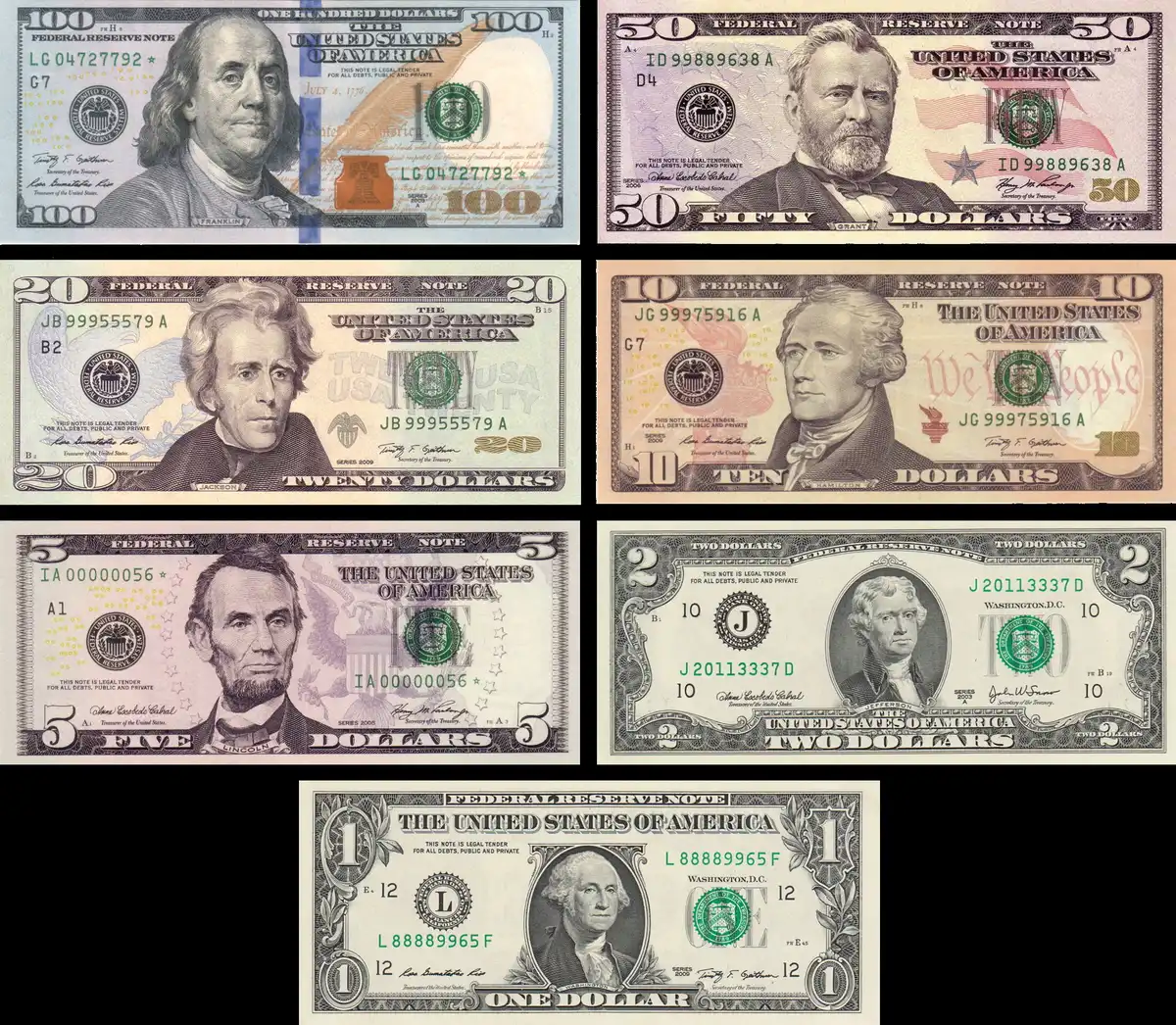
The US dollar rebounded to near 100 on the strength of a surge in American manufacturing activity, marking a reversal from earlier weakness that had pushed the currency to four-year lows in January. The dollar index, which measures the greenback’s value against a basket of six major currencies, reached a 52-week high of 101.64 in early August, recovering from lows near 95.55 earlier in the year.
The rebound came after the July ISM manufacturing index rose to 55.6, the fastest pace of expansion in four years, exceeding forecasts of 53.9. This unexpected strength in the manufacturing sector signaled renewed economic momentum and supported a broader dollar rally that had been gathering pace since mid-year.
The Federal Reserve held interest rates steady at 3.50% to 3.75% in July, maintaining elevated borrowing costs that have supported dollar demand among international investors. Higher US interest rates and sticky inflation have kept the dollar in focus, with some analysts calling strength the key trade heading into the second half of 2026.
The dollar’s recovery reversed a dramatic decline earlier in the year. The US dollar index had fallen to a four-year low in January 2026, driven by expectations of potential rate cuts and a broader shift in sentiment against the greenback. However, the Fed’s decision to hold rates steady, combined with signs of resilient economic growth, shifted the outlook for the currency.
Manufacturing strength has historically supported dollar appreciation because it signals robust domestic demand and economic health, attracting foreign capital seeking exposure to US assets. The ISM manufacturing index reading suggested that American factories are operating at their strongest pace since 2022, with output, new orders, and employment all expanding.
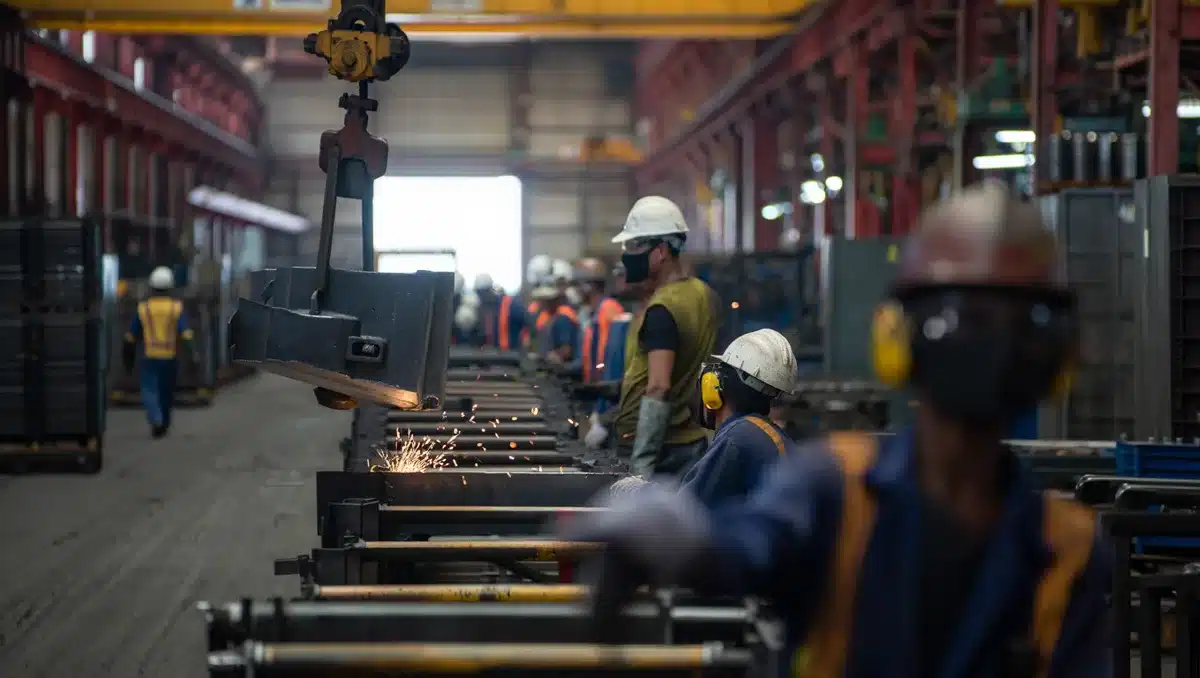
The broader economy has shown mixed signals in 2026. While manufacturing accelerated, US GDP expanded at an annualized rate of 1.5% in the second quarter, below the 2.1% growth recorded in the first quarter. Manufacturing contributed $3.0 trillion at an annual rate to the US economy in the first quarter, underscoring its importance to overall growth.
Analysts expect the dollar to trade broadly between 95 and 102 across the rest of 2026, with the currency’s path dependent on how long the manufacturing rebound can sustain and whether the Fed ultimately raises rates later in the year. The combination of stronger economic data and elevated interest rates has made the dollar increasingly attractive to foreign investors seeking higher returns on US assets.
Sources
- Barchart — July ISM manufacturing index at 55.6, fastest expansion in four years; dollar recovery after manufacturing data release
- Trading Economics — US Dollar Index at 99.8706 on August 4, 2026; 52-week range 95.55 to 101.64
- US Bank — Federal Reserve held rates at 3.50%-3.75% in July 2026
- Reuters — Higher US interest rates and sticky inflation supporting dollar strength (July 4, 2026)
- National Association of Manufacturers — Manufacturing contributed $3.0 trillion to US economy in Q1 2026
- Bureau of Economic Analysis — US GDP expanded 1.5% annualized in Q2 2026










