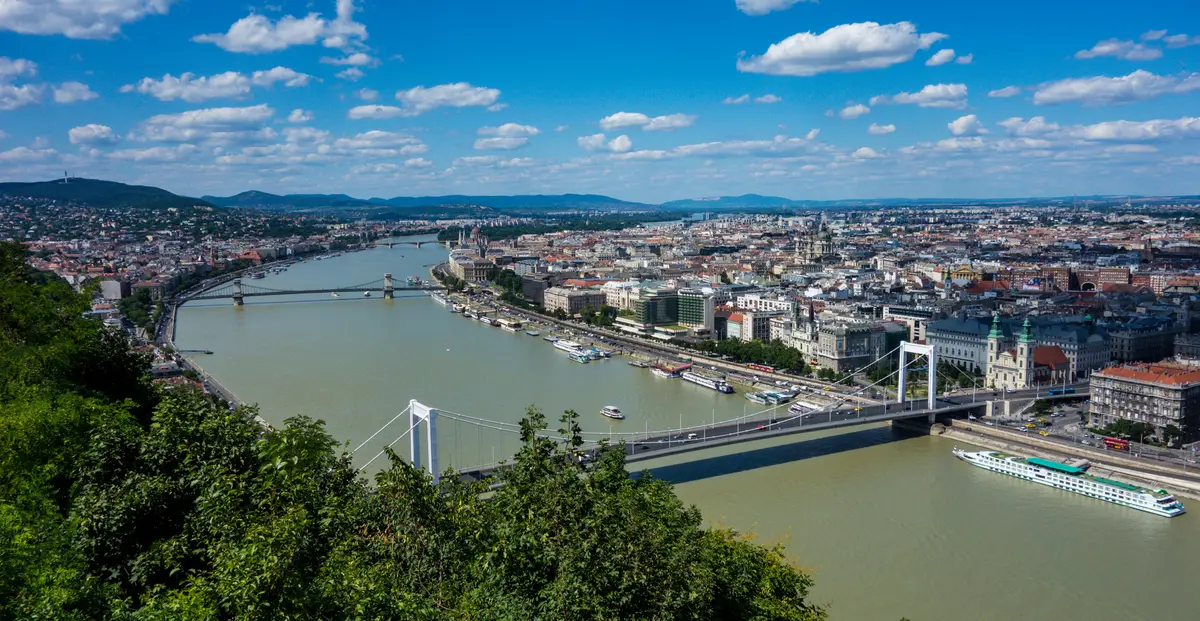
The Danube River has hit record low water levels across Central and Eastern Europe, with levels in Budapest falling to around 10 centimeters (4 inches) on August 3, 2026, well below the previous all-time low of 33 centimeters set in 2018, according to reporting from Fortune and the BBC. The crisis is forcing nuclear power plants across the region to shut down and threatening widespread energy shortages as governments declare emergency measures.
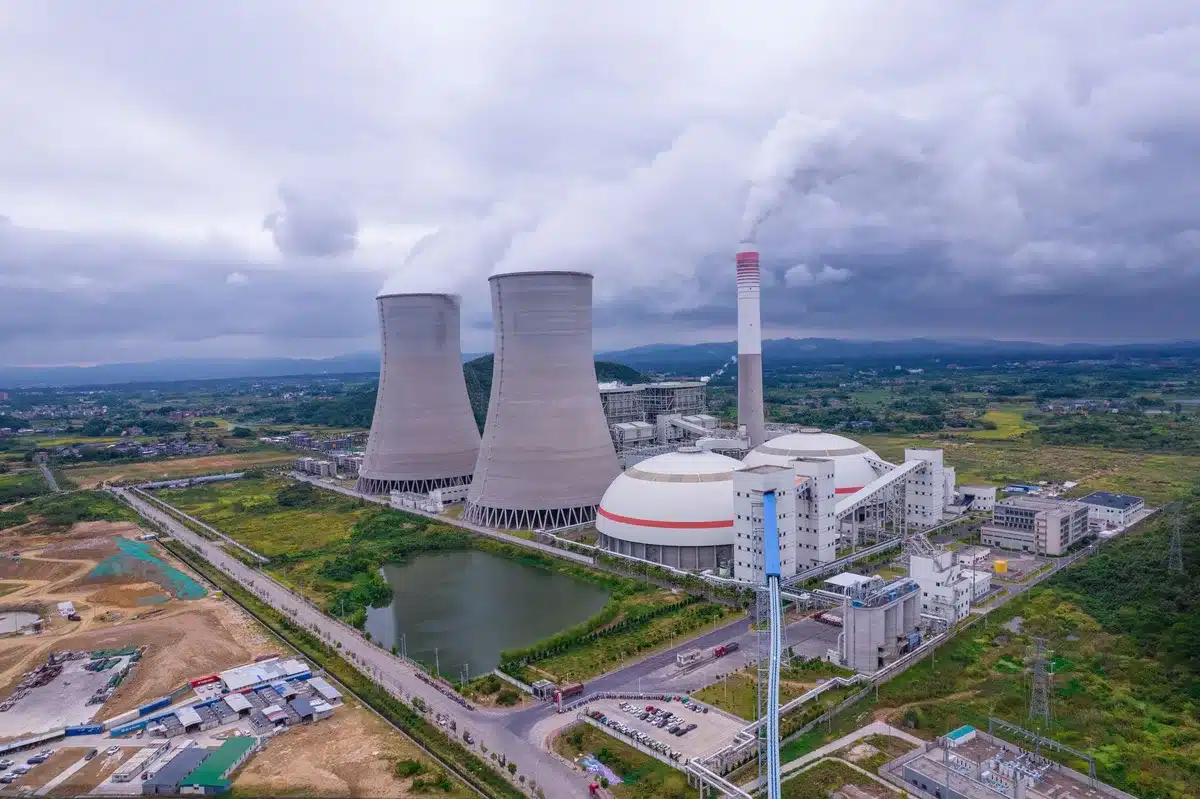
Hungary’s Paks nuclear power plant, which accounts for nearly half of the country’s electricity production, is shutting down entirely for the first time in its 44 years of operation due to insufficient water for reactor cooling. The plant, located 90 kilometers south of Budapest, had reduced output to just 240 megawatts by August 3, down from its normal 2,000 megawatts, before facing complete shutdown. Prime Minister Péter Magyar warned that Hungary’s energy supply could become “critical” and urged citizens to limit electricity use during peak evening hours between 5 p.m. and 10 p.m.
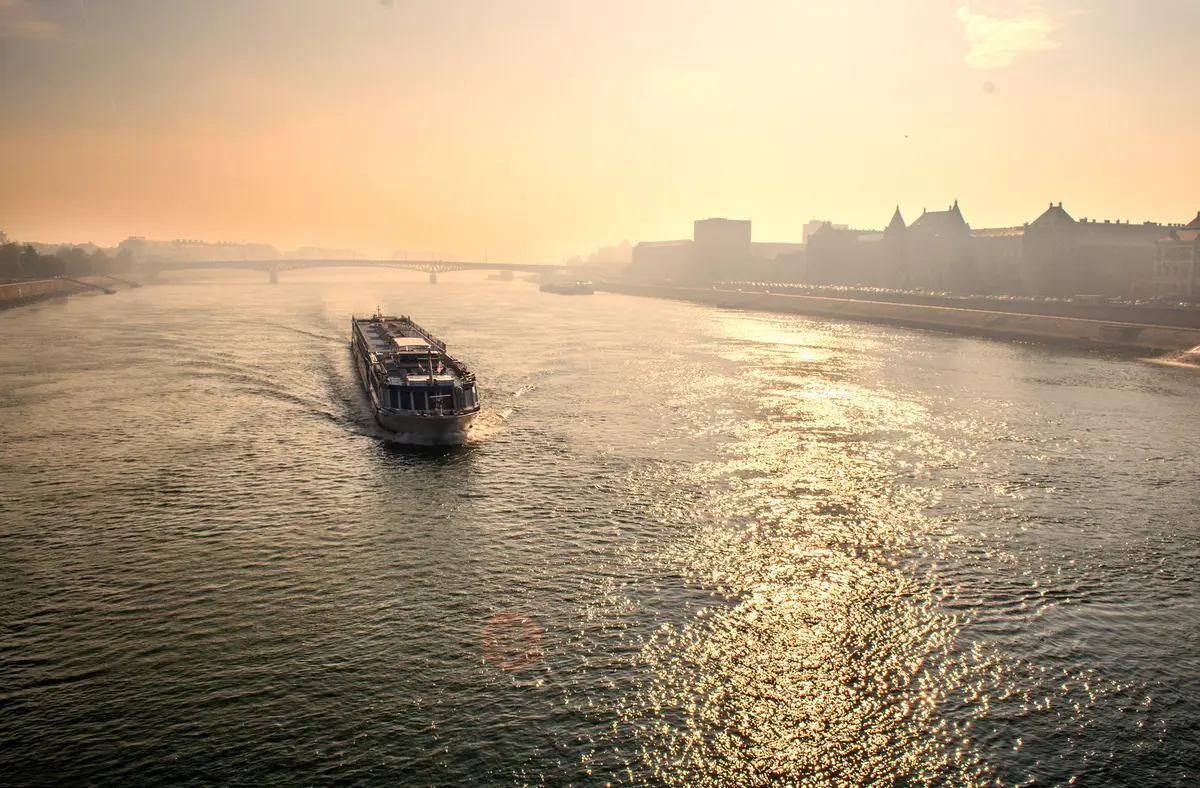
The Danube’s water flow has fallen to 1,500 cubic meters per second in Romania, less than a third of its July average of 4,700 cubic meters per second, according to Fortune. Romania’s military used 180 kilograms of explosives to blast rock near the Danube’s Bala Canal to redirect water toward the Cernavoda nuclear power plant, which had already shut down one of its two reactor units. Acting Prime Minister Ilie Bolojan declared a nationwide state of alert in Romania’s energy sector and appealed to citizens to voluntarily limit electricity use during peak hours. Major manufacturers including carmakers Dacia and Ford halted production until August 19 to conserve power.
Serbia’s situation is equally severe. The country’s key hydroelectric plants, Djerdap I and Djerdap II, which provide around 18% of Serbia’s electricity generation, have been forced to operate at only 20% and 30% of their respective capacities, according to Euronews. Prime Minister Djuro Macut presided over an emergency energy meeting and appealed to residents to minimize use of major electricity consumers such as air conditioners, describing the situation as “serious and demanding.”
The crisis stems from persistent drought and successive extreme heat waves that have deprived the Danube of water. Daytime temperatures across the region are topping 37 to 40 degrees Celsius (98 to 104 Fahrenheit), and no significant rainfall is forecast for the coming weeks, according to Fortune. A Serbian hydrologist told local media that the Danube had fallen to levels not seen for 50 to 60 years, with climatologists not expecting improvement until mid-September.
The low water levels have also disrupted shipping and tourism across the region. River cruise passengers were evacuated from the Viking Ullur cruise ship when it ran aground in Bulgaria, and boats lie beached along the riverbed. The exposed riverbed has also revealed unexpected discoveries, including World War II shipwrecks and, in Bulgaria, the remains of a mammoth.
Governments across the region are implementing emergency conservation measures. Hungary’s government issued a decree allowing mandatory electricity curbs for large industrial and commercial consumers, and banned electric freight trains from running during peak hours to conserve 70 to 90 megawatt-hours per day. The country’s conservation push reportedly reduced electricity use by 700 megawatts on one day alone. Hungary has also increased imports from Ukraine, Greece, and other regional partners to compensate for the lost nuclear output.
Sources
- Fortune — Danube water flow figures, Paks plant output and shutdown details, Hungary’s conservation measures and industrial curbs, Romania’s military explosives action, Serbia’s hydroelectric capacity reductions, temperature forecasts, and rainfall outlook
- BBC News — Paks plant shutdown as first in 44 years, water level measurements in Budapest, Cernavoda reactor shutdown, Serbia’s Danube levels not seen in 30 years, river cruise evacuation, and exposed shipwrecks and mammoth remains
- Euronews — Romania’s state of alert declaration, Dacia and Ford production halts, Serbia’s energy minister statements on hydroelectric capacity, Prime Minister Magyar’s updates on water stability, and government emergency responses across the region