Trump’s administration and Qatar are mediating intensive negotiations aimed at ending a six-month war with Iran, with draft deal proposals circulating as both sides inch toward an agreement on reopening the Strait of Hormuz and Iran’s nuclear program. Treasury Secretary Scott Bessent said on August 4 that a deal could materialize “today or tomorrow,” with the first phase focused on establishing free passage through the strategic waterway and the second addressing Iran’s denuclearization.
The conflict began on February 28, 2026, when the United States and Israel launched coordinated strikes under Operation Epic Fury, targeting Iranian military and nuclear infrastructure. The war has since expanded into the Red Sea and Egypt, straining global energy markets and prompting repeated cycles of escalation and diplomatic pauses.
Trump has repeatedly threatened massive new strikes, then canceled them citing progress in talks. On August 1-3, he announced plans for what he described as “the biggest attack since World War II,” but again called off operations, saying the “parameters of a deal” had been reached. Iran, however, publicly denied holding direct talks with the United States, claiming instead that discussions were underway with Oman on establishing a temporary safe shipping route through the strait.
Qatar has emerged as the central mediator in these indirect negotiations. Majed al-Ansari, Qatar’s Foreign Ministry spokesperson, said on August 4 that diplomatic efforts were “in very progressive stages” and that Qatar, Pakistan, and Oman were coordinating to reopen the Strait and prevent further escalation. “Right now, we don’t have anything on the books when it comes to direct talks,” Ansari said, but expressed hope that talks could resume “anytime soon” to push toward “a major deal.”
The underlying framework for a deal has been taking shape since June 2026, when the U.S. and Iran signed a memorandum of understanding outlining a path forward. According to a senior U.S. official, the agreement would require Iran to neither develop nor procure nuclear weapons, reopen the Strait of Hormuz to normal oil traffic, and lift the U.S. blockade of Iranian ports. Iran’s highly enriched uranium—estimated at around 900 pounds—would be destroyed on site and then removed from the country under a rigorous inspection regime.
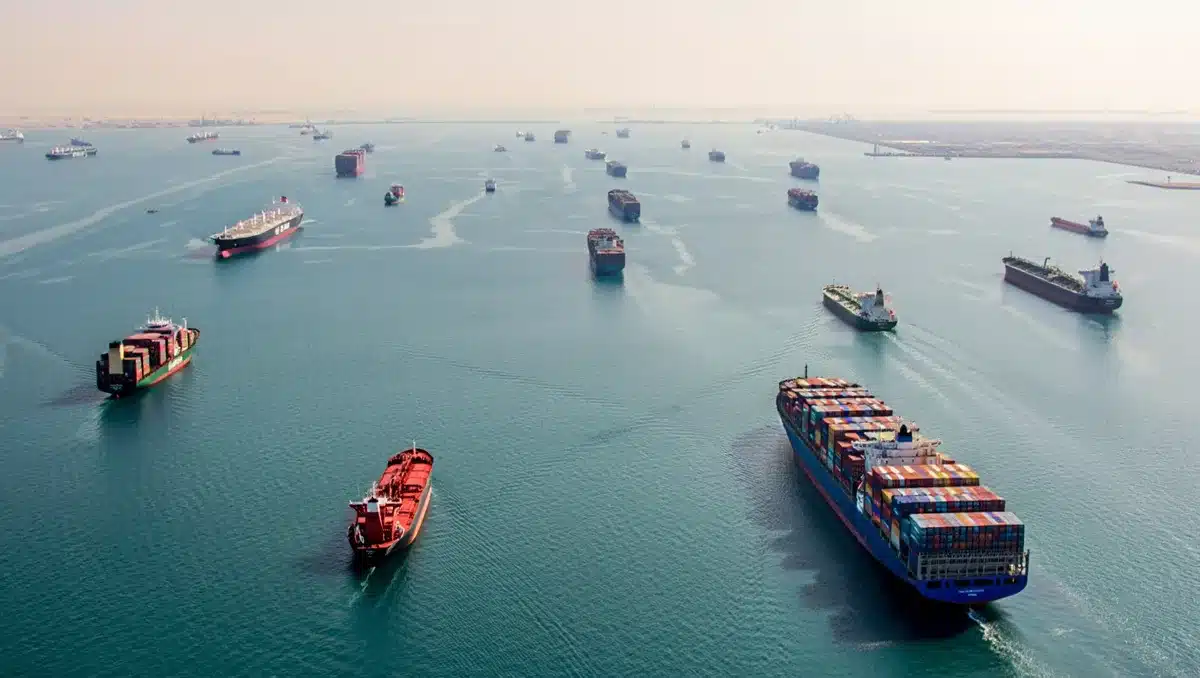
The deal is structured in two phases. The first aims to immediately reopen the Strait, addressing the global shipping crisis that has driven oil prices higher and disrupted trade. Trump told reporters on August 3 that he expected the Strait to be “completely open” by August 4, describing this as “phase one.” The second phase would tackle the technical and diplomatic details of dismantling Iran’s nuclear program, with a 60-day negotiation window set to begin once the initial agreement is signed.
A U.S. official emphasized that Iran would receive economic benefits—unfrozen assets and sanctions relief—only if it complies with its obligations. “The Iranians don’t get anything upon the signing of the MOU,” the official said, adding that rewards would come incrementally as Iran verifies it is honoring each commitment. The official also acknowledged that recovering Iran’s nuclear material would require careful technical planning, noting that the enriched uranium is “very combustible stuff, very volatile stuff.”
Iran has presented a different narrative, offering what a U.S. official described as a version with “few concessions made to the United States over the nuclear issue and control of the Strait of Hormuz.” The U.S. official dismissed this as messaging aimed at Iran’s domestic audience, suggesting that the actual negotiating positions are closer than Tehran’s public statements suggest.
The stakes for both sides remain high. Trump has faced domestic pressure over rising energy prices and American casualties, while Iran has suffered extensive damage to its military infrastructure, with Treasury Secretary Bessent noting that Iran’s air force, navy, and much of its missile production capability have been severely degraded. Bessent said he expected energy prices to “settle back down” once the Strait reopens, signaling that economic relief is a key motivation for the U.S. side.
Sources
- NBC News — Trump’s statements calling off strikes, denying Iran’s claims of duplicity, and setting talks for August 4; details on the Strait reopening timeline and nuclear negotiations
- ABC News — Qatar Foreign Ministry spokesperson Majed al-Ansari’s press conference on August 4 confirming diplomatic efforts are ongoing; Treasury Secretary Bessent’s comments on deal timing and Iran’s military degradation
- Reuters — Senior U.S. official’s detailed description of the memorandum of understanding, including Iran’s nuclear commitments, uranium disposal, inspection regime, and phased reward structure
- Britannica and CFR — Context on Operation Epic Fury, the February 28, 2026 launch of major combat operations, and the killing of Supreme Leader Ali Khamenei
- Bloomberg — Qatar’s emergence as the lead mediator after weeks of frenzied negotiations