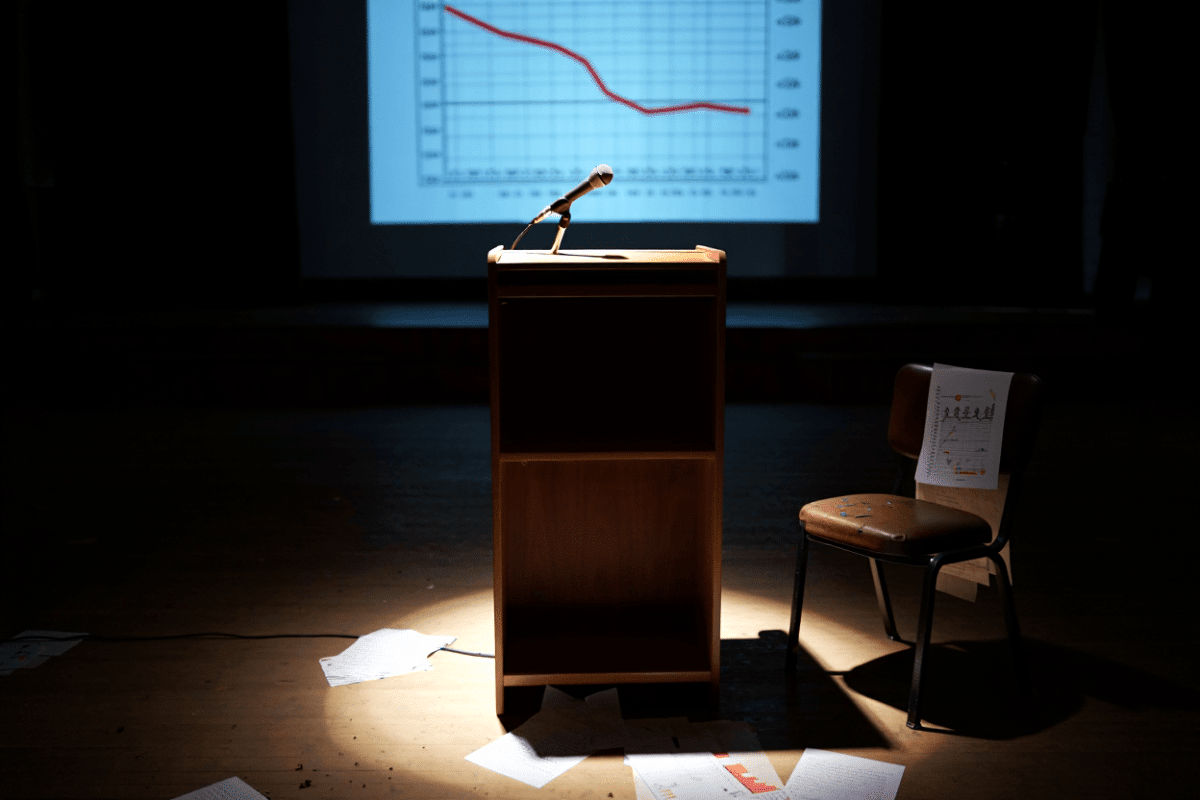
President Trump’s approval rating on the economy has fallen to 35%, with more voters disapproving of his economic stewardship than approving, according to recent polling. The decline reflects growing frustration among both Trump voters and the broader public over inflation, rising costs of living, and the impact of his administration’s policies on household finances.
A new CNN poll conducted by SSRS found that 77% of Americans—including a majority of Republicans—say Trump’s policies have increased the cost of living in their own communities. Roughly two-thirds of Americans say his policies have worsened economic conditions overall, according to the May 2026 survey.
Trump’s approval rating on the economy specifically stands at 30%, a career low, the CNN/SSRS poll found. An average of recent polls by the Cook Political Report showed that 61% of voters disapprove of Trump’s handling of the economy while 35% approve, a significant reversal from the 2024 campaign when roughly 60% of voters who cited the economy as their top issue favored him over his opponent.
The economic discontent has divided even Trump’s core supporters. GOP senators have privately expressed alarm that Trump appears out of sync with voters on the economy, the biggest issue in the 2026 midterm elections. “People feel their priorities are not important,” one Republican senator told The Hill in June, citing internal polling showing independents shifting significantly away from Republicans and toward Democrats on economic matters.
The Iran war and tariff policies have emerged as major economic pain points. According to the CNN/SSRS poll, 75% of Americans say the war with Iran has had a negative effect on their financial situation, while 65% say higher tariffs on foreign goods have hurt them. GOP strategist Ron Bonjean noted the disconnect: “His priorities are dealing with national security and voter integrity, and the voters’ biggest concerns are the economy.”
Housing affordability has become a particularly acute issue for Trump voters. GOP lawmakers pressed Trump for weeks to address rising costs, but the president’s decision to block signing a bipartisan housing affordability bill in June further frustrated Republicans who saw the move as tone-deaf to voter concerns. Trump dismissed the housing crisis, telling Speaker Mike Johnson “no one gives a s— about housing,” according to reporting.
Inflation has remained elevated, driven partly by the U.S.-Israeli military campaign against Iran, which sent energy prices higher. While some economic indicators like the stock market have remained relatively resilient and the job market stable, the cost of living pressures have overshadowed other positive metrics for voters struggling with everyday expenses.
The erosion of Trump’s economic approval among his own supporters mirrors a broader pattern from his first term. In 2018, when Republicans faced midterm elections, Trump’s unpopularity on the economy and other issues contributed to significant GOP losses. Political analysts warn that without a shift in both the macro economy and Trump’s messaging about economic concerns, Republicans face similar headwinds in 2026.
Sources
- Wall Street Journal — Trump voters’ divided views on economy; 61% disapprove vs. 35% approve (Cook Political Report average, July 2026)
- CNN — CNN/SSRS poll showing 77% of Americans (including majority of Republicans) say Trump’s policies increased cost of living; 30% approval on economy (May 12, 2026)
- The Hill — GOP lawmakers’ concerns about Trump being out of sync with voters on economy; Republican senator comments on shifting independents; Trump’s blocking of housing bill (June 29, 2026)