President Donald Trump threatened Iran with 1,000 “locked and loaded” missiles Saturday after the funeral of Iran’s slain Supreme Leader Ayatollah Ali Khamenei saw open calls for Trump’s killing, as the interim ceasefire deal between the U.S. and Iran crumbles under renewed military strikes.
“1000 Missiles are Locked and Loaded and aimed at the Islamic Republic of Iran, with thousands more to immediately follow, should the Iranian Government act on its threat” to assassinate him, Trump wrote on Truth Social late Friday U.S. time. He added that U.S. military orders had been given to “completely decimate and destroy all areas of Iran.”
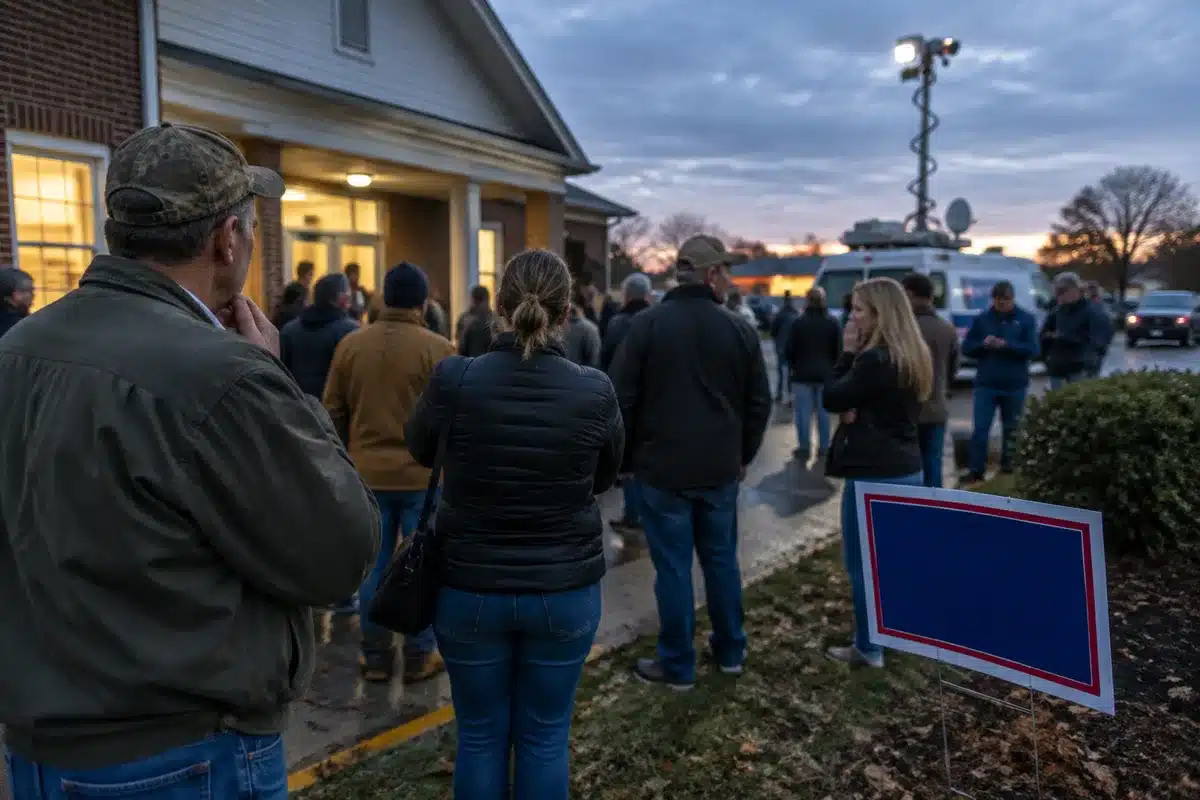
The threat came after mourners at Khamenei’s funeral on Thursday, including some carrying banners reading “We Will Kill Trump,” prompted Trump’s response to what he characterized as assassination threats. Israel had previously shared intelligence with the U.S. about an alleged Iranian plot to kill Trump, according to reporting by the Wall Street Journal and other media outlets.
Trump declared the ceasefire “over” on July 8, following days of escalating U.S. airstrikes targeting Iran in response to Iranian attacks on three commercial vessels in the Strait of Hormuz. Despite the ceasefire’s collapse, Trump said Friday that the U.S. would continue peace talks with Iran, claiming Tehran had asked to continue negotiations and that the U.S. had agreed to do so.
The interim deal, signed in mid-June 2026, was intended to extend a ceasefire announced in April and allow both sides 60 days to negotiate a final agreement. The June memorandum of understanding included provisions for reopening the Strait of Hormuz and easing sanctions. However, the agreement has been strained by repeated violations and disputes over control of the vital waterway.
Senior U.S. officials demanded Saturday that Iran make a public statement declaring the Strait of Hormuz is open and that ships transiting it will not be attacked. Iran has insisted the strait remain under its control and that vessels be allowed to pay fees to Tehran—a stance the Islamic Republic adopted after the war began on February 28, 2026.
Iran’s new Supreme Leader Mojtaba Khamenei, who took power after his father’s death in the early days of the conflict, vowed that Iranians would continue to avenge his predecessor. “Such revenge is the will of our nation and must certainly be carried out,” he said in remarks carried by state television, though he has not been seen publicly since the war began.
Iran’s Foreign Minister Abbas Araghchi accused the U.S. of violating the June agreement by ending waivers that had allowed Iran to sell crude oil on the open market in U.S. dollars. The U.S. withdrew the waivers in response to the attacks on shipping in the strait. The Treasury Department also sanctioned an alleged Iranian financier it said was helping the new Supreme Leader, a move Araghchi characterized as another breach of the memorandum of understanding.
“There can only be mutual compliance,” Araghchi wrote on social media. Araghchi was reported to have arrived in Oman early Saturday for talks with his counterpart, as Oman has served as a key mediator in efforts to end the war.
U.S. officials, speaking on condition of anonymity, attributed the resumption of strikes this week to what they described as a rogue faction of Iranian hardliners attempting to sabotage the ceasefire. However, Iran has insisted its leadership remains unified under the new Supreme Leader.
The strikes over two days killed at least 17 people and wounded 115 others, according to Iranian Health Ministry spokesperson Hossein Kermanpour. U.S. military forces struck approximately 90 Iranian targets to “further degrade Iran’s ability to threaten freedom of navigation in the Strait of Hormuz,” according to statements from American officials.
Sources
- PBS News — Trump’s missile threat, Iran’s Supreme Leader’s vow of revenge, U.S. demands on Strait of Hormuz, and ongoing negotiations
- CNBC — Trump’s Truth Social posts threatening to “decimate and destroy” Iran, Treasury sanctions on Iranian financier, and Iranian Foreign Minister’s accusation of MOU violations
- Al Jazeera — Supreme Leader Mojtaba Khamenei’s pledge to avenge his father’s death and details of the funeral
- NPR — Trump’s missile threat and timing after Khamenei’s funeral