Trump Accounts, the federal government’s new tax-advantaged savings program for children, officially launched July 4, 2026, with over 500,000 children already receiving their first $1,000 deposits from the U.S. Treasury, according to announcements from the Trump administration and reporting by Reuters. The initiative, created under the Working Families Tax Cuts law, marks an expansion of federal tax policy aimed at building early wealth for the next generation.
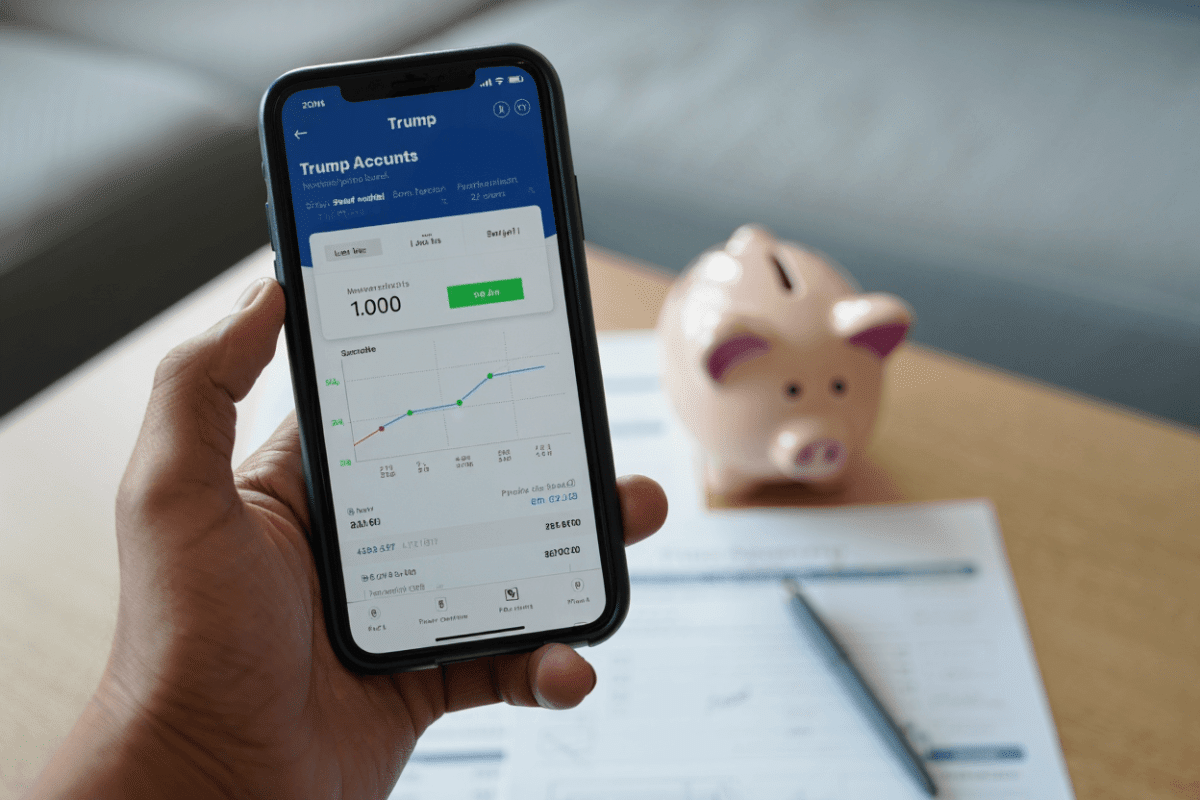
Eligible children born between January 1, 2025 and December 31, 2028 qualify for the one-time $1,000 federal seed contribution, according to the IRS. The accounts operate as tax-deferred investment vehicles, allowing families to contribute up to $5,000 per year until the child turns 18, with funds growing without taxation until withdrawal. The U.S. Department of the Treasury announced the full launch of the Trump Accounts app on July 4, 2026, offering parents and children nationwide access to real-time account dashboards, investment tracking, and 15 interactive financial education modules.
The expansion extends beyond the initial $1,000 federal deposits. Over 50 companies have committed to contribute to Trump Accounts for employees’ children, according to the Treasury Department. Older children born before January 1, 2025 who are under age 18 can also open accounts and receive $250 contributions from employers and charitable donors, even though they are ineligible for the federal $1,000 seed money. This broader eligibility structure allows any U.S. citizen child under 18 with a valid Social Security number to participate in the savings program.
The Treasury Department framed Trump Accounts as a tool to democratize stock ownership. The department noted that historically, stock ownership in the United States has been unevenly distributed, with many younger and lower-income families having little exposure to the stock market. “Trump Accounts are designed to change that trajectory by helping children start with a foothold in the American economy from birth or early childhood,” the Treasury stated in its July 4 announcement. Treasury Secretary Scott Bessent said the accounts give “every child a stake in the American Dream from day one.”
Proponents argue that the accounts create wealth-building opportunities across income levels by combining automatic contributions, long-term investment options, and financial education. The accounts are managed through a dedicated app that allows families to set recurring contributions, link bank accounts, and receive personalized guidance. There is no cost to open an account, and parents can begin contributing immediately once enrolled.
The policy represents a shift toward early-life savings incentives. Child savings account programs have been studied for decades as a potential way to narrow wealth gaps. Research cited by the Urban Institute examined how such accounts might help build financial capability among lower-income households. The Treasury’s expansion of Trump Accounts to include employer contributions and older children reflects an effort to broaden participation beyond the initial cohort of newborns born in 2025–2028.
Sources
- U.S. Department of the Treasury — Official announcement of Trump Accounts full app launch on July 4, 2026, including details on employer contributions and account features
- Reuters — Report that over 500,000 children have received the first $1,000 Trump account deposits as of July 6, 2026
- IRS — Confirmation of $1,000 pilot program contribution for children born January 1, 2025 through December 31, 2028
- Bipartisan Policy Center — Explanation of Trump Accounts eligibility and structure
- CNBC — Context on wealth-building goals and proponent arguments for the accounts