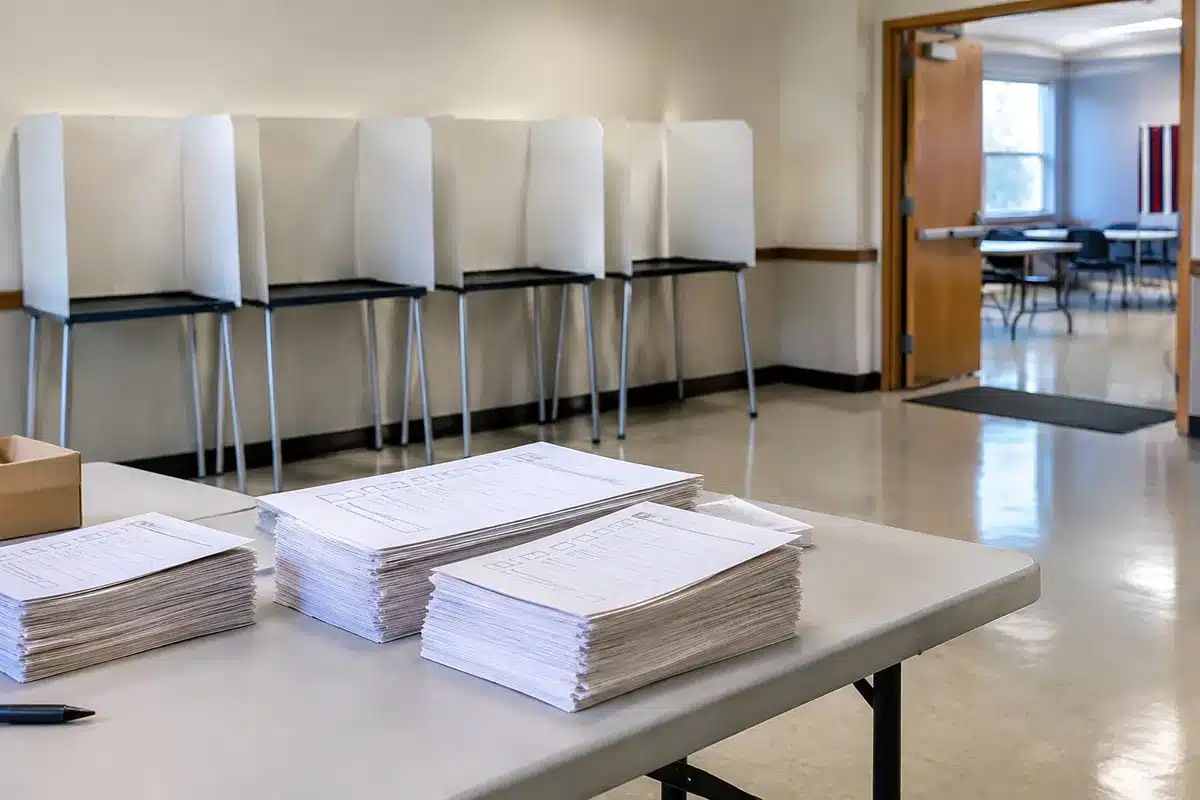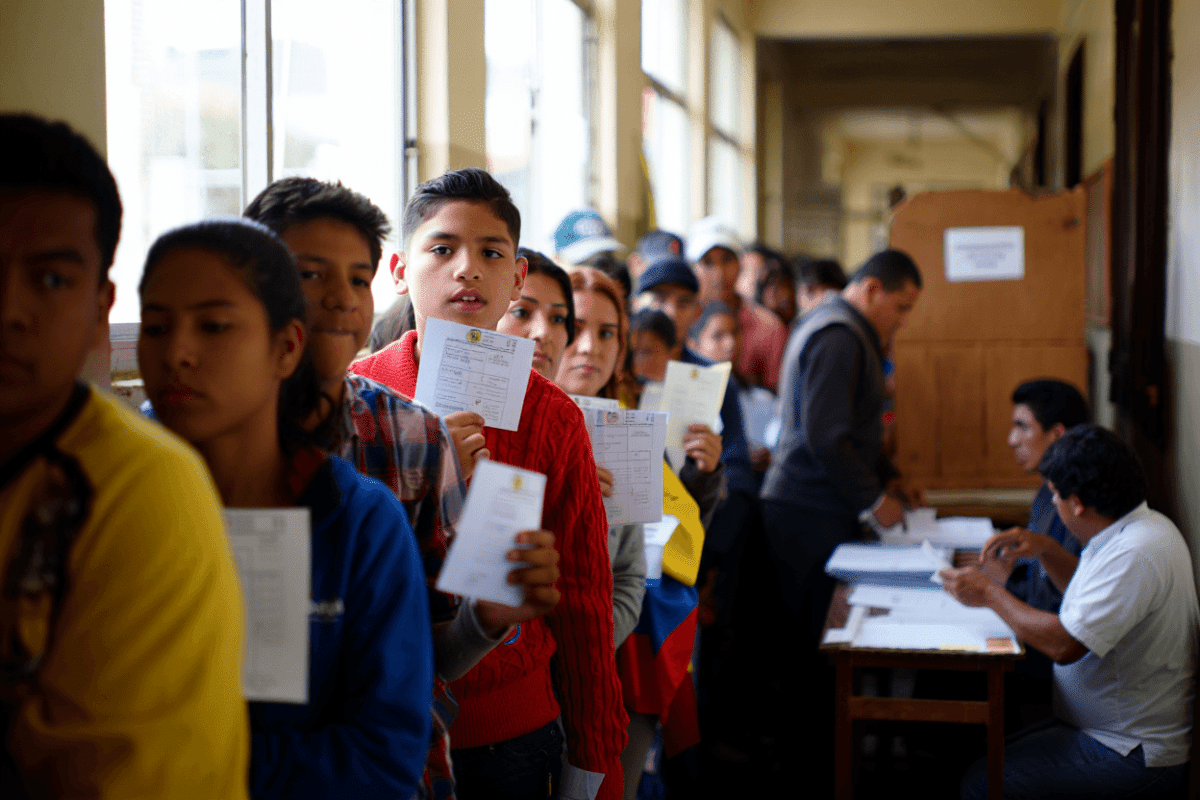
Colombia held a presidential runoff on June 21, 2026, between conservative outsider Abelardo de la Espriella and leftist senator Iván Cepeda, with voters choosing between sharply different approaches to Colombia’s persistent armed violence and economic challenges.
De la Espriella, a lawyer and businessman, secured 44% of the vote in the May 31 first round, narrowly edging Cepeda’s 41%, according to official results. Both candidates advanced from a crowded field of eleven other contenders. De la Espriella, nicknamed “The Tiger,” has proposed a heavy-handed security strategy and earned an endorsement from U.S. President Donald Trump.
Cepeda, a senator and human rights activist, represents the Historic Pact coalition and the leftist movement of outgoing President Gustavo Petro, Colombia’s first leftist leader. He is pushing to continue Petro’s “total peace” strategy, which seeks to negotiate pacts with guerrillas and criminal gangs rather than confront them militarily.
The election comes against a backdrop of surging violence. Authorities recorded 14,780 homicides in 2025, the highest figure since at least 2015, driven by clashes among illegal armed groups competing for drug trafficking profits. Extortions have also soared, reaching 13,417 cases in 2025, more than double the number in 2015.
De la Espriella has vowed to fiercely pursue criminals and build ten mega-prisons, emulating policies from El Salvador’s President Nayib Bukele that have lowered homicide rates but fueled accusations of human rights abuses. He has also faced accusations of ties to paramilitary groups, which he has denied.
Cepeda’s approach reflects the legacy of Colombia’s 2016 peace accord with the Revolutionary Armed Forces of Colombia, or FARC, which was signed a decade before this election. That historic pact offered hope to break the nation’s cycle of conflict, but violence has roared back as most rebel groups abandoned ideological fighting for the financial benefits of drug trafficking. The first armed group under Petro’s peace plan—with about 100 members—only began laying down weapons on Thursday, just days before the runoff, according to the resettlement process that leads to civilian reintegration. Colombia’s illegal armed groups have more than 27,000 members.
The two candidates also differ sharply on economic policy, health care, and how to address entrenched corruption. Polls showed a tight race heading into the runoff, with both camps mobilizing supporters and trading accusations of fraud, vote-buying, and intimidation. Cepeda filed a complaint with Colombia’s Attorney General and the International Criminal Court against de la Espriella over alleged paramilitary ties.
More than 41 million Colombians were eligible to vote. The election will determine whether the country continues on a leftist reform path or shifts rightward under a political newcomer promising security-focused policies.
Sources
- AP News — confirmed candidates’ names, first-round percentages, and platform details
- Reuters — reported on de la Espriella’s law-and-order approach and Cepeda’s “total peace” strategy
- Al Jazeera — verified first-round vote shares and runoff setup
- The Guardian — reported de la Espriella’s vow to return to military confrontation with armed groups
- NPR — confirmed security concerns and armed group violence statistics
- Wikipedia — verified Cepeda’s background as philosopher and human rights activist