Sen. Lindsey Graham warned Sunday that if Iran resists U.S. control of the Strait of Hormuz, “we will obliterate them,” even as he expressed support for ongoing diplomatic efforts with Tehran on “Face the Nation with Margaret Brennan.”
The South Carolina Republican said he would “rather try a diplomatic solution” to the Iran conflict, but predicted the talks will ultimately fail. Graham’s comments came as U.S. and Iranian negotiators gathered in Switzerland for peace talks aimed at finalizing a preliminary agreement announced just days earlier.
“Let’s try a diplomatic solution. I think it’s going to fail,” Graham said in the interview that aired Sunday morning. “If that fails, I think the backup plan is to take control of the Strait of Hormuz.” He added the stark warning about military response if Iran contests U.S. control of the critical waterway.
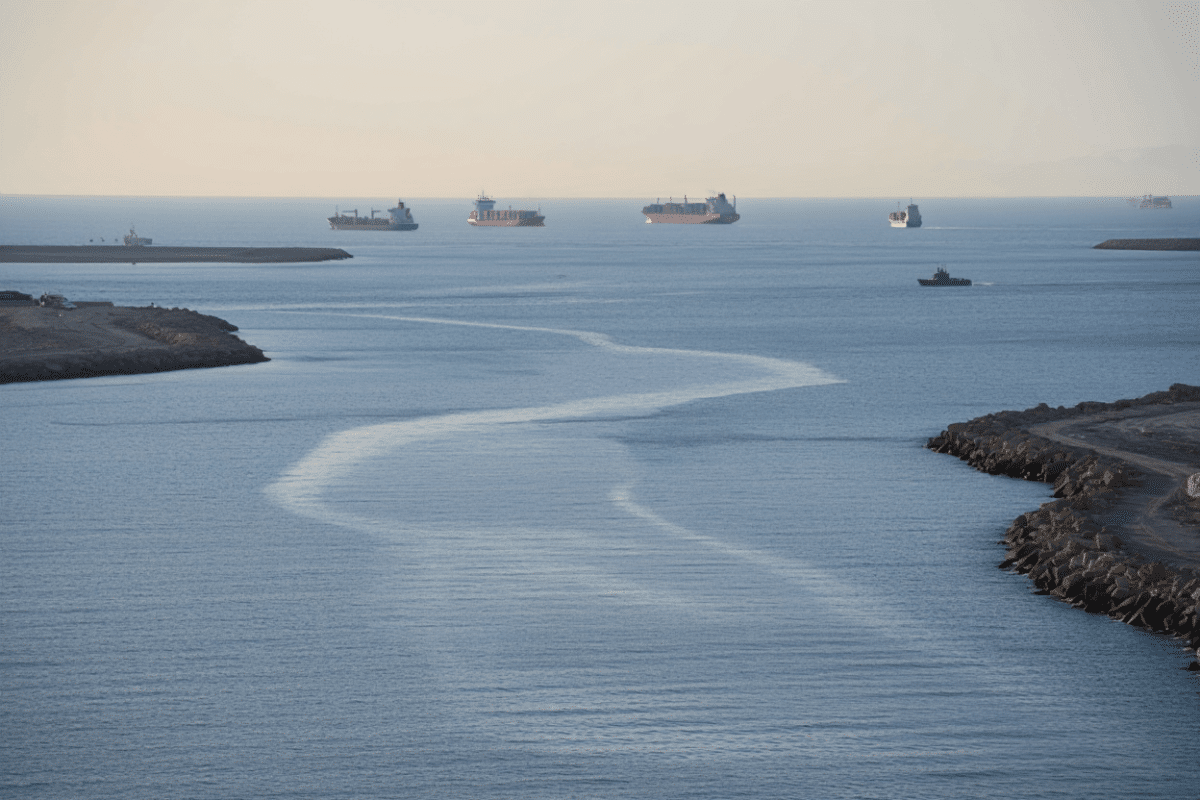
The Strait of Hormuz, a narrow passage between Iran and Oman, is one of the world’s most strategically important shipping lanes. According to the U.S. Congress Research Service, roughly one-third of global maritime petroleum trade passes through the strait, making it vital to global energy markets. Iran’s closure or restriction of the strait in March 2026 triggered the broader military conflict between the U.S. and Iran that has defined Trump’s second term.
Graham’s remarks reflect the hawkish Republican position on the Iran conflict. Earlier this year, Graham called for strikes on Iran’s energy infrastructure and suggested taking control of Kharg Island, Iran’s major oil terminal, though he later walked back that specific proposal. In May 2026, he argued that U.S. victory would mean reopening the Strait of Hormuz, which was open to international traffic before the war began.
The preliminary U.S.-Iran deal was announced on June 15, 2026, according to multiple sources, after months of military escalation and diplomatic maneuvering. The framework included provisions for reopening the Strait of Hormuz and ending the conflict, though full details remained limited. Vice President JD Vance has been leading U.S. negotiations and has publicly touted “great progress” in talks, representing a shift from his earlier skepticism of military intervention.
Graham’s skepticism about diplomacy’s prospects reflects broader Republican concerns about the deal’s terms. Some GOP lawmakers have raised questions about whether the agreement adequately addresses Iran’s nuclear program and regional threats, though Trump administration officials have emphasized the talks’ focus on immediate conflict resolution.
Sources
- CBS News — Transcript of Sen. Lindsey Graham on “Face the Nation with Margaret Brennan,” June 21, 2026; video interview on same date
- Washington Times — Report on Graham’s statement that “If Iran contests control of the Strait of Hormuz by the United States, we will obliterate them,” June 21, 2026
- AOL.com — Transcript of Graham’s remarks on Face the Nation, June 21, 2026
- Congress.gov — Congressional Research Service report on Iran conflict and the Strait of Hormuz impacts, March 2026
- The Hill — Report on Graham’s reversal on Kharg Island, May 5, 2026
- NPR — Report on U.S. lifting blockade on Iranian ports after deal takes effect, June 18, 2026