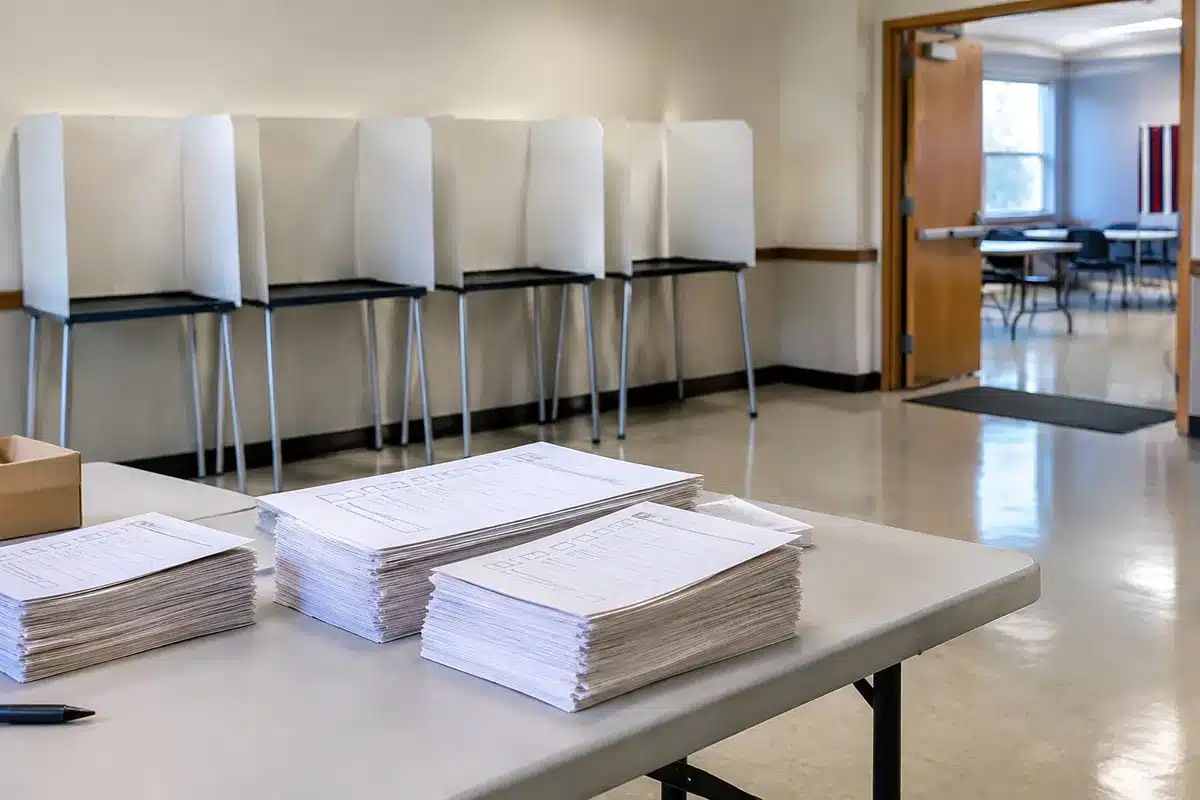
Super PACs have spent $48 million on House and Senate primaries in 2026 without disclosing their donors before voters cast ballots, according to a Politico analysis of Federal Election Commission data released June 14. That figure is more than double what similar groups spent at this stage of the 2024 cycle and 10 times higher than in 2018, marking a sharp acceleration in secretive outside spending during primaries.
The groups exploit a gap in campaign finance law by forming after the monthly or quarterly FEC filing deadlines. A super PAC created after the last pre-election reporting deadline can raise and spend unlimited sums in the crucial final days of an election without revealing its donors until weeks after the race ends. Roughly one in every ten dollars flowing into primary races through outside spending this year has come from these so-called pop-up super PACs.
“It’s certainly a very strategic effort to avoid providing transparency for voters,” said Saurav Ghosh, director of federal campaign finance reform at the nonprofit Campaign Legal Center, in the Politico article. “So even if they’re acting within the letter of the law, they are ultimately undermining in spirit. Because disclosure requirements exist so that voters — when they’re deciding who to cast their ballot for — have the information about who has spent money backing these candidates.”
The tactic is more common in primaries than general elections because outside groups must file pre-general reports in mid-October, leaving only a narrow window before November to launch and spend without disclosing. In primary races, which often conclude months earlier, the window is far wider, allowing groups to operate in near-total secrecy for weeks.
How Super PACs Hide Donor Identities
Beyond exploiting FEC timing, super PACs are increasingly routing contributions through 501(c)(4) nonprofit organizations that shield donor names, according to a Sludge analysis of FEC filings from April 2026. These nonprofits share the same leadership, staff, and organizational infrastructure as the super PACs but face far fewer disclosure requirements.
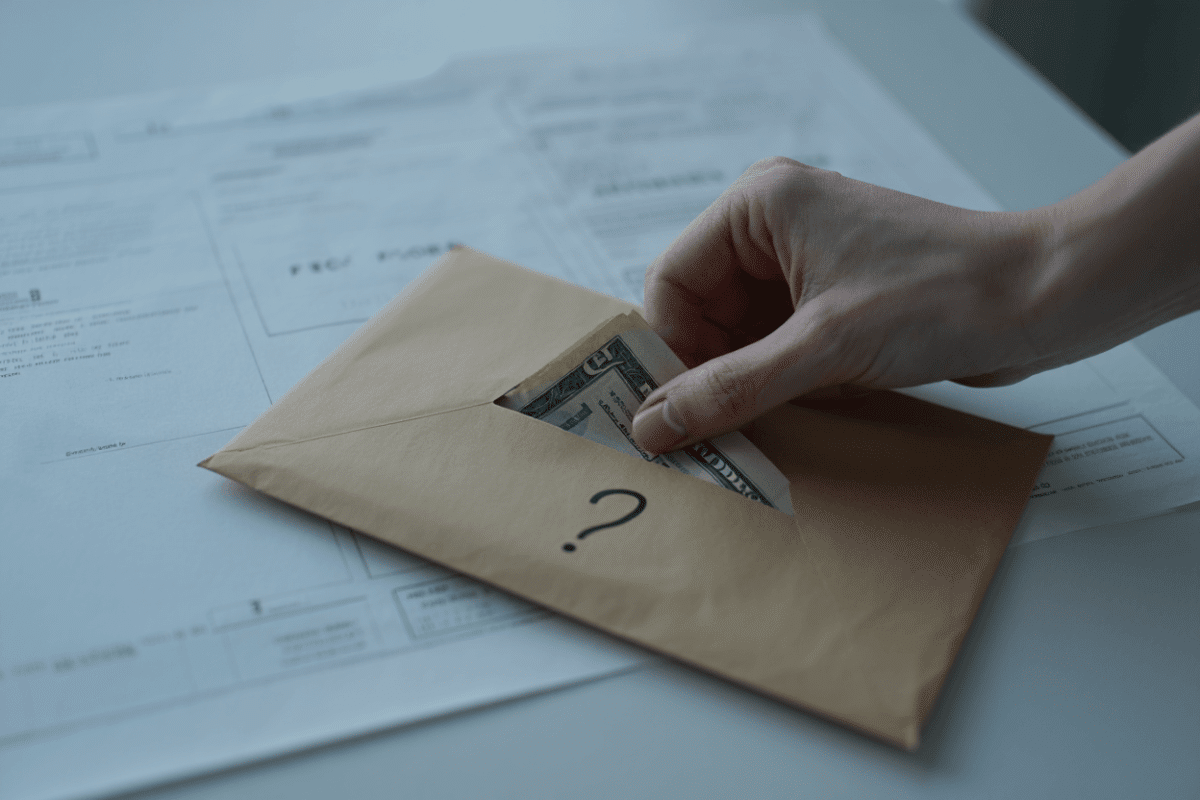
Money flows from wealthy donors to the nonprofit, which does not disclose who gave it. The nonprofit then transfers the funds to the super PAC, which must disclose the nonprofit as a contributor but not the original donor. This creates what is called “gray money”—spending that appears transparent at the super PAC level but obscures the true source of the funds.
In the first quarter of 2026, the Chuck Schumer-affiliated Senate Majority PAC received $25 million through its nonprofit partner, accounting for 44 percent of its total haul, according to Sludge. The Republican counterpart, the Senate Leadership Fund, routed about 16 percent of its contributions through its nonprofit. In the House, the Congressional Leadership Fund received $7.5 million in the first quarter from its nonprofit partner, the American Action Network, making up nearly 20 percent of its total contributions.
Specific cases illustrate the scale of the secretive spending. In Kentucky’s 4th District, a newly created super PAC spent $6.7 million to attack a Republican primary challenger to incumbent Thomas Massie after President Donald Trump endorsed the challenger. The PAC shut down after the primary, revealing only then that most of its funds came from a Texas-based firm. In Illinois’ March primaries, three newly created groups tied to the American Israel Public Affairs Committee spent $16 million on House races, with the true funder—AIPAC’s main super PAC, United Democracy Project—remaining hidden until after the elections concluded.
Some lawmakers have proposed tightening disclosure rules. Rep. Jason Crow (D-Colo.) introduced the SHINE Act, which would require super PACs to disclose every large donation they receive in the final 20 days of an election, making it harder for pop-up PACs to hide their sources. “All this dark spending money is just skyrocketing,” Crow said in the Politico article. “Super PACs, corporate donations, pop-up PACs. It’s out of control and it’s getting worse every cycle.”
Sources
- Politico — reported that super PACs spent $48 million on House and Senate primaries in 2026 without pre-election donor disclosure, more than double the 2024 pace and 10 times higher than 2018; explained the pop-up PAC tactic exploiting FEC reporting deadlines; documented specific cases including Kentucky’s 4th District and Illinois primaries; included commentary from Saurav Ghosh of the Campaign Legal Center and Rep. Jason Crow on the SHINE Act
- Sludge — analyzed FEC filings showing super PACs routing roughly $44 million through affiliated 501(c)(4) nonprofits in the first quarter of 2026; detailed how the Senate Majority PAC, Senate Leadership Fund, and Congressional Leadership Fund used nonprofit intermediaries to obscure donor identities