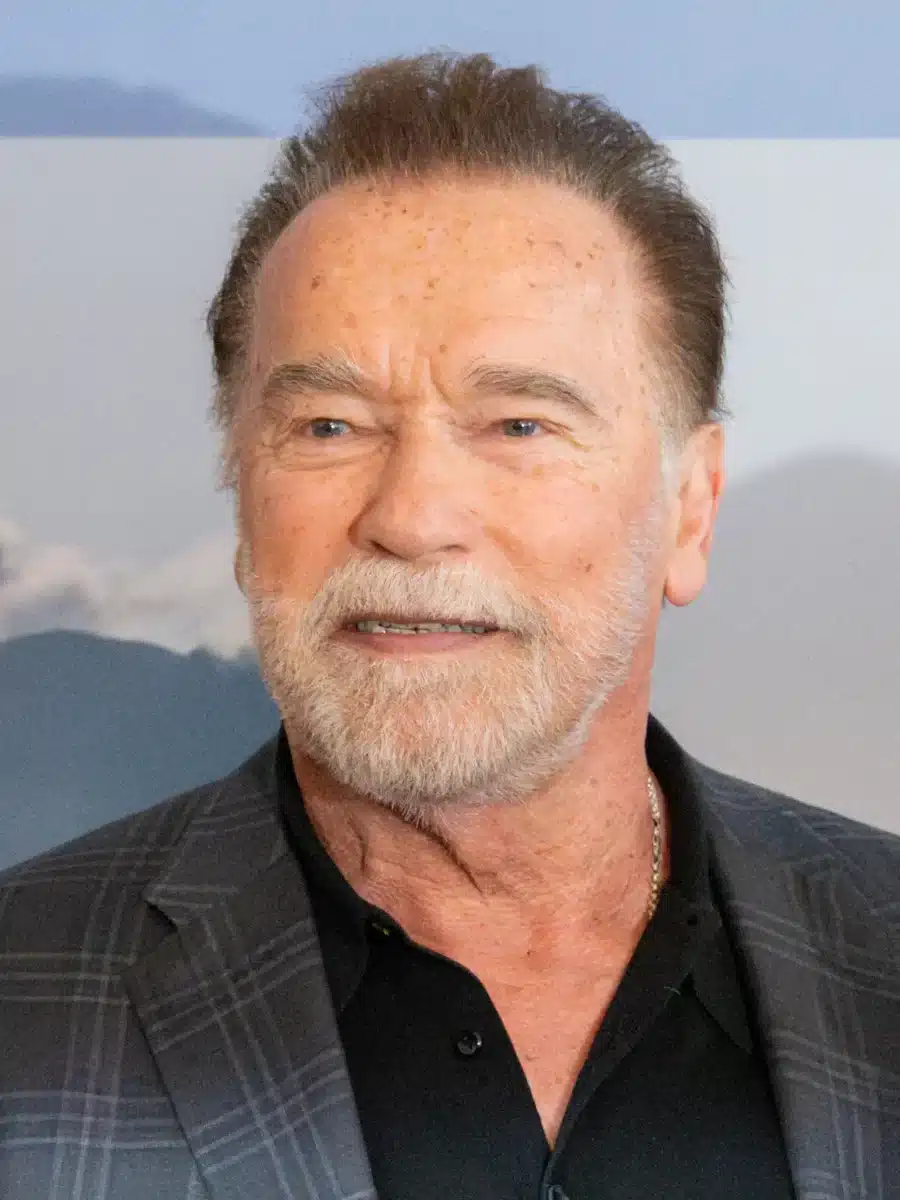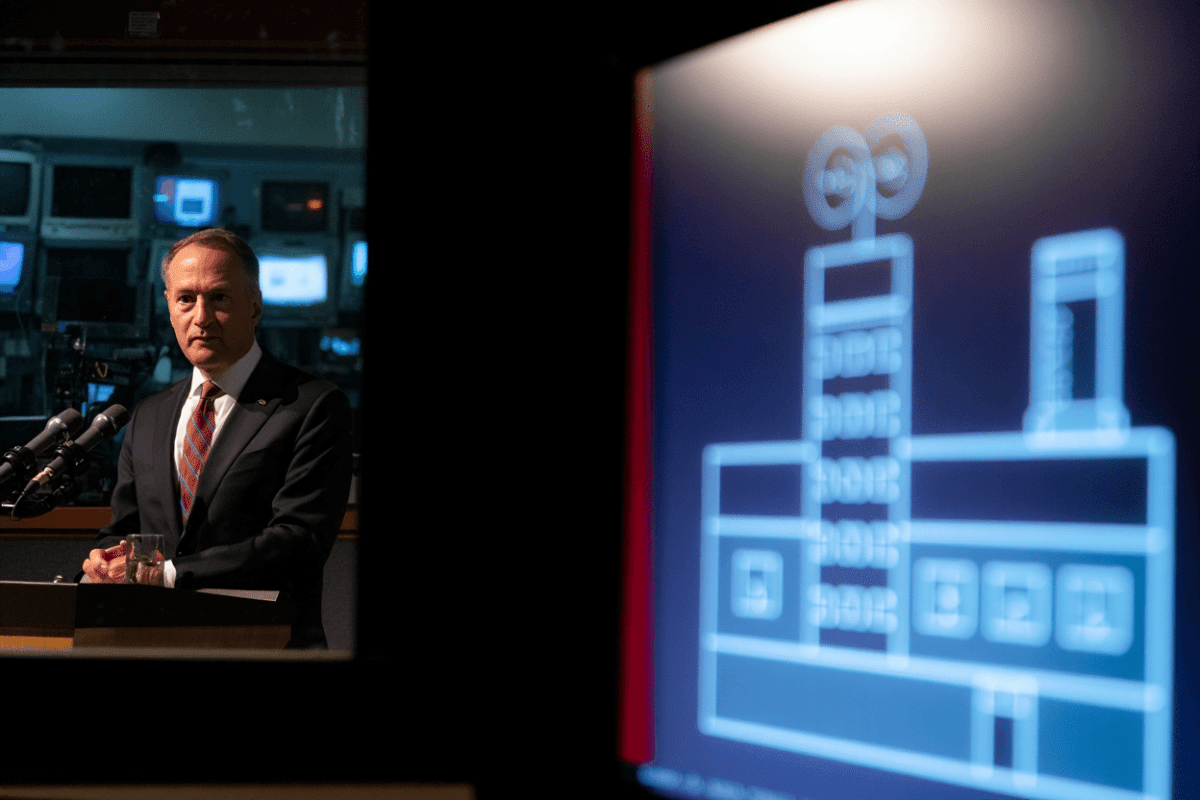
Former Defense Secretary Mark Esper raised serious questions about President Trump’s Iran deal during an appearance on Meet the Press earlier today, expressing concerns about how the agreement will verify Iran’s compliance with its nuclear commitments.
Esper, who served as defense secretary during Trump’s first term, laid out his concerns after Trump signed a memorandum of understanding with Iran on June 18, 2026. The MOU is a 14-point framework that extends the ceasefire between the U.S. and Iran and sets the stage for a final nuclear agreement to be negotiated over the next 60 days.
The Trump administration has emphasized that the deal will prevent Iran from acquiring nuclear weapons and include robust verification mechanisms. However, the memorandum itself lacks the technical specificity that characterized the Obama-era Joint Comprehensive Plan of Action (JCPOA), which Trump withdrew from in 2018.
Unlike the JCPOA, which included detailed restrictions on uranium enrichment levels, centrifuge numbers, and enrichment facilities, the new memorandum defers critical details to future negotiations. The agreement says the two countries “agreed to resolve the disposition of stockpiled enriched material” and includes a “minimum” standard of “downblending” Iran’s enriched uranium under International Atomic Energy Agency supervision, but does not specify whether the uranium would be destroyed, removed, or merely reduced in grade.
The deal does not mention ballistic missiles or explicitly address Iran’s funding of militant groups designated as terrorist organizations. Trump administration officials, including Defense Secretary Pete Hegseth, have argued the deal will be enforced differently than the JCPOA because the U.S. will maintain “the military option.”
Esper’s criticism echoes broader concerns from lawmakers and analysts about the agreement’s enforceability. The framework gives negotiators 60 days to settle the most difficult issues, including the final status of Iran’s highly enriched uranium stockpile—which currently sits at 60% purity, just a short step below weapons-grade material.
The MOU also includes provisions for potential reconstruction funding of at least $300 billion for Iran, though Trump has insisted the U.S. will not directly invest money in the country. Iran will receive immediate waivers for oil and petroleum exports under the agreement.
Sources
- NBC News — Mark Esper’s June 21, 2026 Meet the Press appearance raising serious questions about the Iran deal
- CBS News — Comparison of Trump’s MOU with the Obama-era JCPOA, including details on verification, uranium enrichment, and enforcement mechanisms
- CNN — Official text and 14-point structure of the U.S.-Iran memorandum of understanding signed June 18, 2026
- NPR — Full text of the Trump-Iran memorandum of understanding and its framework structure
- BBC — Details on the MOU’s 60-day negotiation period and lack of final agreement on nuclear specifics