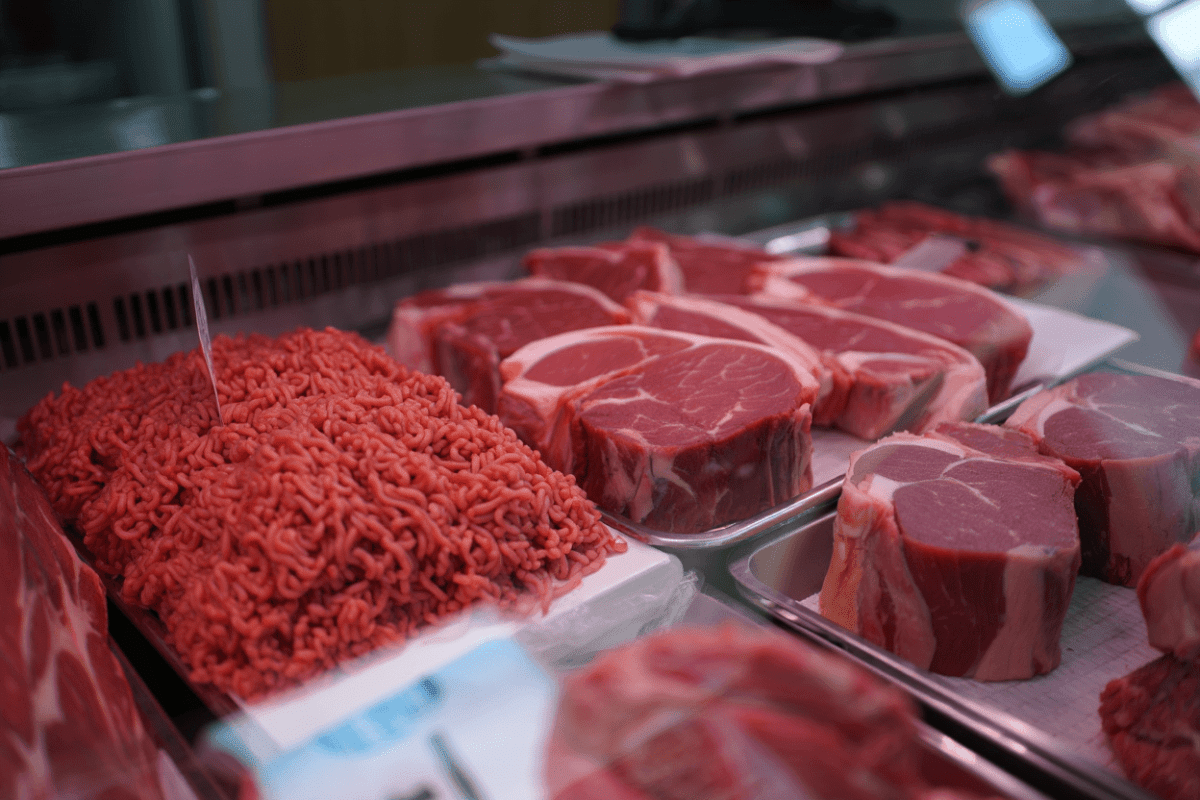
BBQ season this summer will cost roughly 20% more than last year, with ground beef hitting a record $6.90 per pound in April and sirloin steak climbing to $14.73 per pound—a $2.00 jump year-over-year. A combination of three major forces is driving prices higher: a 30-year cattle shortage, rising feed and fuel costs, and disruptions from the ongoing Iran conflict impacting global supply chains.
🔥 Quick Facts
- Ground beef prices reached $6.90/lb in April 2026, up nearly 17% from the prior year
- Sirloin steak prices hit $14.73/lb, representing a $2.00 increase since April 2025
- U.S. cattle inventory has declined to levels not seen in 30 years, following years of drought
- USDA forecasts beef prices could climb another 10-18% before the end of 2026
- Iran supply disruptions are raising feed, fertilizer, and transportation costs nationwide
Why Beef Reached Historic Highs This Spring
The 2026 beef crisis did not emerge overnight. The U.S. cattle herd has been shrinking steadily since 2022, when a severe drought across Texas, Oklahoma, and the Great Plains forced ranchers to reduce their breeding herds. According to industry sources, the U.S. faces a 30-year shortage of cattle—the tightest supply in three decades.
This structural scarcity has compounded with immediate cost pressures. Ranchers face rising expenses for feed, hay, veterinary care, and fuel. A typical finishing operation spends roughly $2,100 to purchase a 600-pound steer at $350 per hundredweight, then adds $900 in feed and hay during the final months, plus $150 in vaccines and minerals—totaling over $3,150 per animal before slaughter. Every percentage point increase in input costs flows directly into retail beef pricing.
How the Iran Conflict Is Amplifying Beef Costs
Beyond domestic cattle dynamics, the ongoing Iran war is reshaping global commodity markets in ways that directly impact American dinner tables. Iran war deal talks stall as both sides signal no imminent agreement despite progress, leaving supply-chain uncertainty in place through the summer grilling season.
Oil prices remain elevated due to regional tensions, driving up diesel and fuel costs that ranchers and meatpackers depend on for feed transportation and livestock movement. The Strait of Hormuz blockage concerns, even if intermittent, inject volatility into energy markets. Additionally, fertilizer shortages linked to Middle East supply disruptions are raising the cost of corn, soybeans, and hay—the three core feeds for U.S. cattle operations. This creates a cascading effect: higher feed prices force ranchers to reduce herd sizes further, which reduces future beef supply, which keeps prices elevated for years.
Ground Beef vs. Premium Cuts: Where Prices Are Highest
Price increases are not uniform across all beef products. The data reveals targeted pressure points:
| Cut Type | April 2025 Price | April 2026 Price | Year-over-Year Change |
| Ground Beef | $5.89/lb | $6.90/lb | +17.2% (+$1.01) |
| Sirloin Steak | $12.73/lb | $14.73/lb | +15.7% (+$2.00) |
| Chicken (Comp.) | $4.12/lb | $4.85/lb | +17.7% (+$0.73) |
| Average Beef (All) | $9.64/lb | $11.56/lb | +19.9% (+$1.92) |
Ground beef has absorbed the largest percentage increase, rising 17.2% year-over-year, making it the least affordable protein for budget-conscious consumers. Sirloin steaks, the traditional BBQ centerpiece, are up 15.7%. Even chicken, often seen as an affordable alternative, climbed 17.7%, offering little escape for consumers seeking cheaper protein.
“We have a 30-year shortage of beef. Operators, especially steakhouses and barbecue restaurants, are being squeezed at the cost they have to buy beef at. Many are choosing to absorb losses rather than pass full costs to customers and risk losing business.”
— Industry Analyst, National Restaurant Association data, May 2026
What This Means for Your Fourth of July Cookout
A typical hamburger cookout for 10 people now costs approximately $35-45 for ground beef alone, compared to roughly $30 last summer. Hosting a backyard steak dinner with sirloin steaks has moved from a $60 expense to $70+. When you factor in buns, condiments, charcoal, and sides, total costs have increased 9-12% across the full meal.
Texas barbecue restaurants—which depend on high-volume beef sales—are particularly hard-hit. Many have already raised menu prices by 8-15%, or reduced portion sizes, to manage margins. Industry forecasts from the USDA project additional price increases of 10-18% before year-end, suggesting summer peak pricing may persist through Labor Day.
When Will Prices Return to Normal?
Relief is unlikely to arrive quickly. Rebuilding the U.S. cattle herd takes 3-5 years, given biological constraints on breeding and gestation cycles. Even if drought ends and feed costs stabilize, the structural shortage means 2027 and 2028 will likely see elevated prices. The Iran conflict trajectory remains uncertain, and continued oil price volatility could sustain fuel surcharges into late 2026.
Consumers and restaurants planning menus should anticipate that BBQ season pricing in 2026 represents a new normal, not a temporary spike. Industry experts recommend considering alternative proteins (pork, chicken), bulk buying during spring sales before peak season, and negotiating early contracts with butchers and suppliers to lock in prices.
Sources
- U.S. Bureau of Labor Statistics (BLS) – April 2026 retail beef pricing data, comparative year-over-year analysis
- United States Department of Agriculture (USDA) – Beef price forecasts and cattle inventory projections
- National Restaurant Association – Operator cost surveys and margin impact reports
- Farm Progress, Beef Magazine – Ranching cost structures and herd dynamics
- Business Insider, CBS Evening News – Consumer impact analysis and BBQ cost summaries