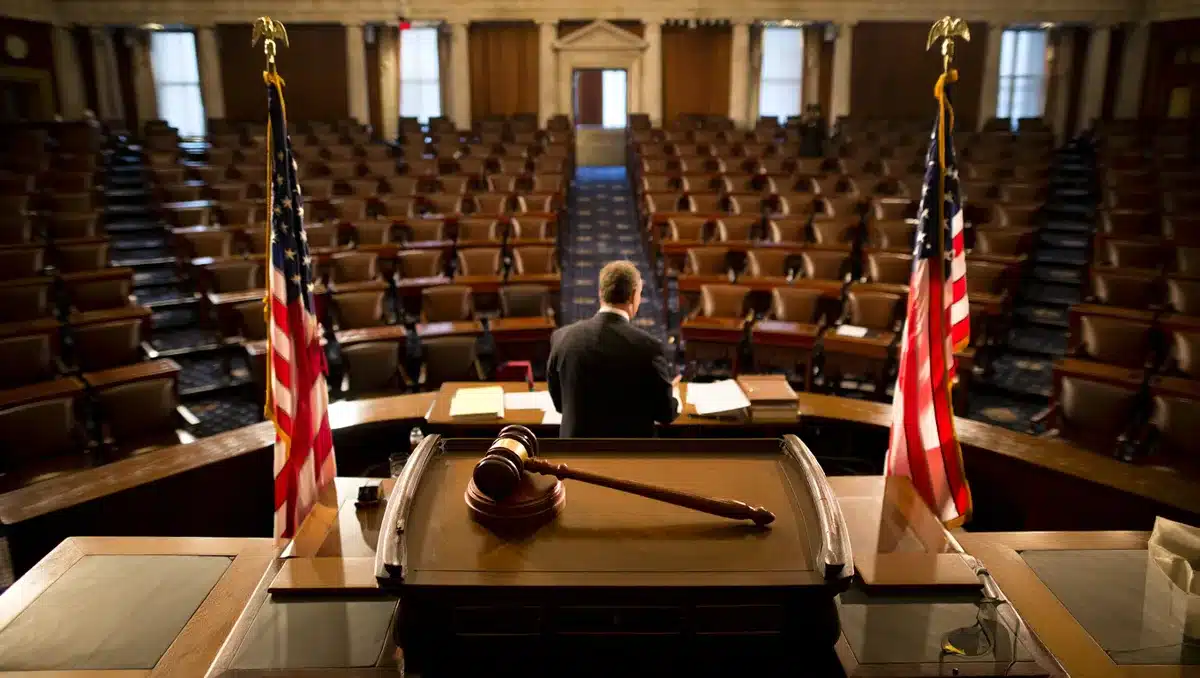
The Senate voted 86-12 on Tuesday to advance a sweeping Russia sanctions bill that Senator Richard Blumenthal championed as a key architect, clearing a procedural hurdle for legislation that would impose harsh economic penalties on Moscow’s energy sector and shadow fleet. The Lindsey O. Graham Sanctioning Russia and Iran Act of 2026, named for the late South Carolina Republican who long sought its passage, gained broad bipartisan backing despite concerns from some Democrats over expanded tariff authority.
The procedural vote came hours after Ukrainian President Volodymyr Zelenskyy addressed senators on Capitol Hill and immediately following the funeral of Graham, a stalwart Ukraine supporter who died before seeing his signature legislation advance. The timing galvanized lawmakers to act, with Blumenthal and other senators treating the vote as a tribute to Graham’s legacy.

Blumenthal, a Connecticut Democrat, had partnered with Graham since April 2025 to drive the legislation forward through multiple obstacles. The bill would sanction Russian leaders, state energy projects, and the shadow fleet of vessels ferrying Russian oil, while also extending existing sanctions against Iran. It carries 62 co-sponsors and is widely expected to pass the Senate later this week, according to Politico.
The legislation uses tariffs as a pressure tool, allowing the president to impose duties of up to 100 percent on the largest purchasers of Russian oil. That provision initially drew resistance from the White House, which wanted broader waiver authority, and from House Democrats, who worry it grants Trump excessive unilateral tariff power. After negotiations, the White House backed a revised version that expands mandatory sanctions on Russian entities while preserving presidential flexibility to waive certain measures.
Only 11 Democrats and Senator Rand Paul of Kentucky voted against advancing the bill on Tuesday. Senate Minority Leader Chuck Schumer framed the vote as a show of resolve, saying it would demonstrate to Vladimir Putin that “he can’t bully Ukraine” and that the United States “stands by” its ally.

The path to final passage in the Senate appears clear, but the House adjourned for August recess before taking up the measure. House Ways and Means ranking member Richard Neal and Senate Finance ranking member Ron Wyden had warned in a joint statement that granting Trump “massive new tariff powers” would be “extremely dangerous,” particularly given what they called the “disastrous impacts” of his prior tariff actions. Despite those concerns, the vast majority of Democrats sided with the bill’s bipartisan coalition.
Blumenthal had publicly urged swift passage in honor of Graham, telling reporters in mid-July that he believed the bill could pass “before August.” The legislation represents one of the most significant bipartisan foreign policy measures of the current Congress, reflecting rare agreement between Democrats and Republicans on the need to increase pressure on Russia’s war effort in Ukraine.
Sources
- Politico — procedural vote count, bill details, Graham’s death timing, White House negotiations, and Democratic concerns over tariff authority
- Axios — confirmation of 86-12 vote and bipartisan support for expedited path to final passage
- The Hill — Senate advancement of bill with bipartisan support and Zelenskyy’s Capitol Hill address
- USA Today — 86-12 procedural vote and bill’s path through multiple hurdles
- The New York Times — Senate advancement with near-unanimous Republican and majority Democratic support
- RFE/RL — bill advancement and Zelenskyy’s presence during the vote
- Kyiv Post — 86-12 vote advancing sanctions on Russia’s energy revenues, financial networks, and shadow fleet
- Senate Foreign Relations Committee — bipartisan agreement to move forward on major sanctions legislation and bill provisions
- CNN — Blumenthal’s backing of the bill and timeline for passage
- Reuters — Senate-Trump administration agreement on revised bill language in July 2026