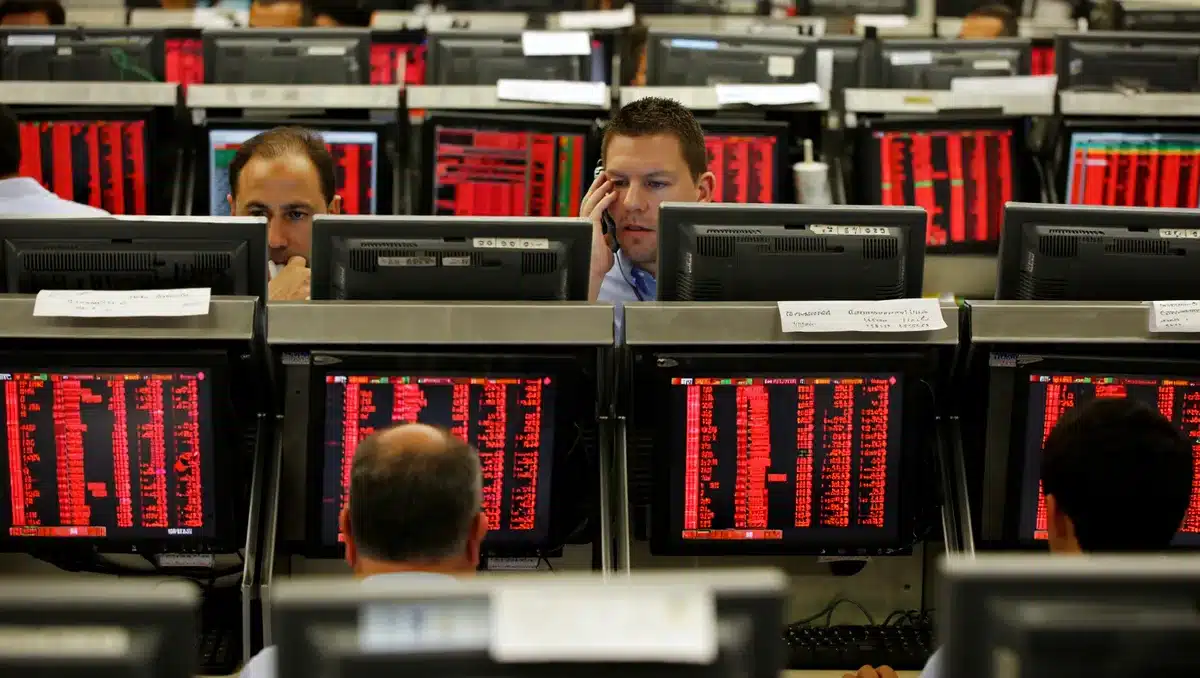
The stock market sank on Wednesday after the Federal Reserve held interest rates steady at 3.5% to 3.75%, disappointing investors who feared the central bank was not moving quickly enough to combat stubborn inflation. The Nasdaq composite fell 1.74% and entered correction territory—an 11% decline from its June peak—while the S&P 500 sank 1.52% and the Dow tumbled 1,153 points, or 2.19%.
The Federal Open Market Committee voted 9-3 to leave rates unchanged, marking the fifth consecutive meeting without a change. However, the vote revealed divisions within the Fed’s leadership, with three officials dissenting in favor of higher rates despite broader expectations that rates would hold steady.

Investors had grown nervous about whether the Fed’s pause would prove sufficient to address persistent inflation, particularly as energy prices have risen due to renewed tensions in the Middle East. According to CNN, stocks fell sharply as market participants questioned the Fed’s approach to taming inflation pressures that have proven more stubborn than expected.
A correction is formally defined as a market decline of 10% or more from a recent peak, a threshold the Nasdaq 100 crossed as it marked an 11% drop from its June record high. This technical milestone signals a meaningful pullback from the index’s earlier strength, though it remains distinct from a bear market, which would represent a 20% or greater decline.
The market decline reflected broader concerns about the Fed’s inflation-fighting strategy. According to CNBC, the market reaction raised early questions about Federal Reserve Chair Kevin Warsh’s credibility on inflation and his ability to lead a divided central bank. The Washington Post reported that the Fed held rates steady despite stubborn inflation and renewed conflict in the Middle East, which has pressured energy prices.
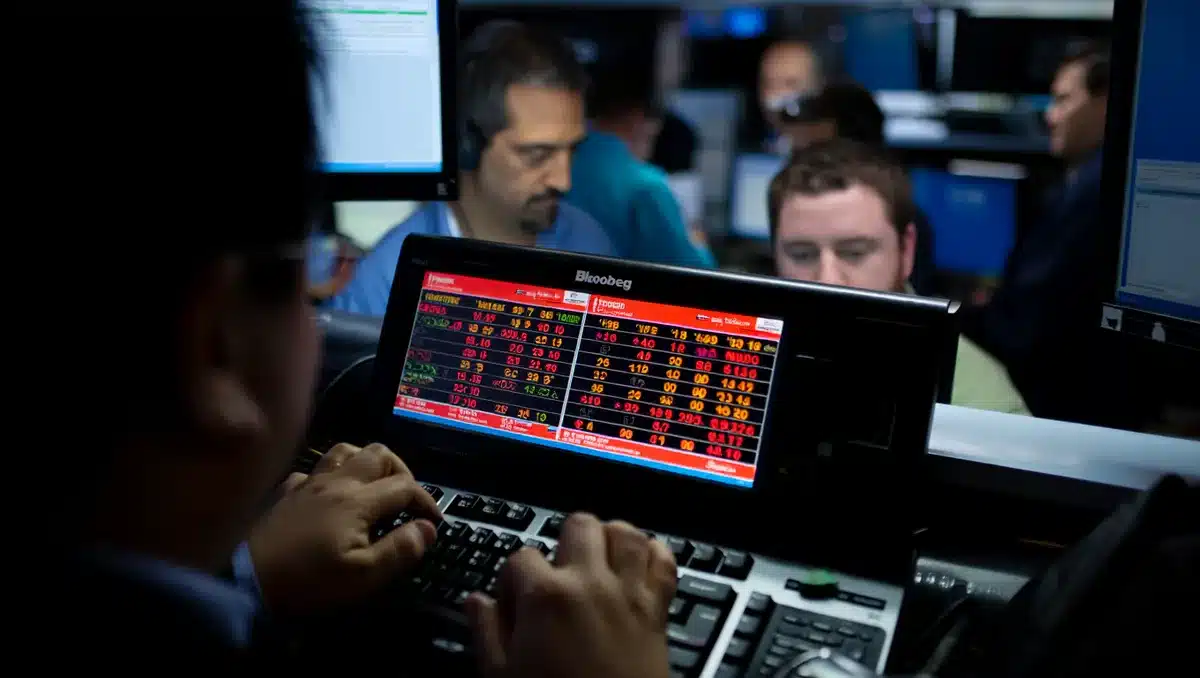
The Fed’s decision came as semiconductor stocks have faced sustained selling pressure throughout July, with the broader chip sector experiencing significant declines amid valuation concerns. This weakness in technology stocks, which are heavily weighted in the Nasdaq, contributed to the index’s sharp decline.
The stock market’s reaction underscores investor anxiety about the path forward for monetary policy. While the Fed has held rates steady for five straight meetings, the dissenting votes and inflation concerns suggest uncertainty about whether current rates will prove adequate to cool price pressures without further action.
Sources
- CNN — Fed decision details, market declines across indices, investor concerns about inflation
- Fox Business — Fed vote count (9-3) and rate decision
- Reuters — Nasdaq, S&P 500, and Dow percentage declines
- Bloomberg — Nasdaq 100 correction confirmation and market impact
- CNBC — Market reaction to Fed decision and questions about Chair Warsh’s credibility
- Washington Post — Fed decision amid inflation and Middle East tensions
- NPR — Fed battling stubborn inflation amid geopolitical tensions
- Fidelity — Definition of market correction (10% or more decline)