The City of Atlanta Department of Watershed Management (DWM) lifted a boil water advisory impacting residents and businesses in Fairburn and South Fulton on Monday, May 4, 2026, after sampling confirmed no contamination in the public supply. The advisory, issued Saturday evening following a power outage at the Adamsville Pump Station, lasted approximately 36 hours. Officials implemented the precautionary measure to protect customers during a period of low water pressure in the distribution system.
🔥 Quick Facts
- Boil water advisory issued Saturday, May 2, 2026 at approximately 6:00 PM
- Cause: Power outage at Adamsville Pump Station resulted in brief drop in distribution system pressure
- Advisory lifted Monday, May 4, 2026 following negative contamination test results
- Total duration: 36 hours from issuance to official clearance
- Affected areas: South Fulton and Fairburn, plus portions of southwest Atlanta
What Triggered the Advisory?
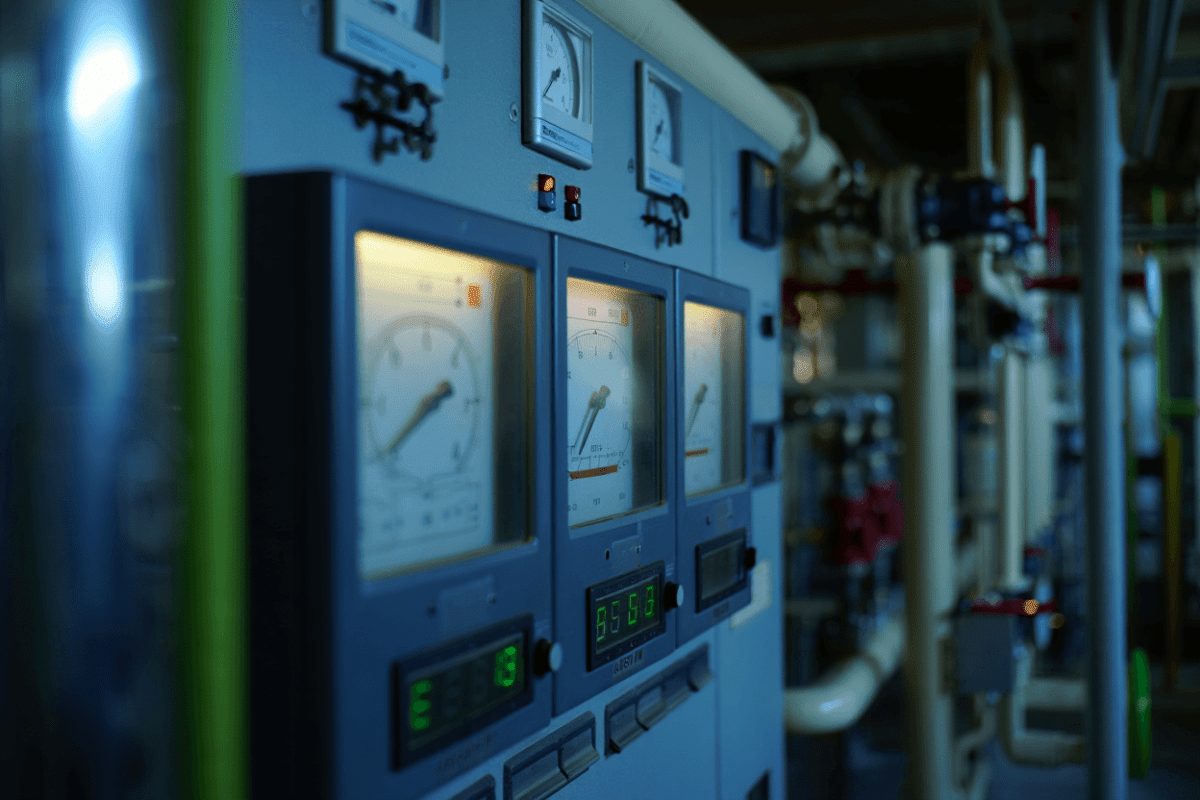
On Saturday evening, May 2, 2026, the Adamsville Pump Station—a critical component of Atlanta’s water distribution infrastructure—experienced an unexpected power outage. This facility serves multiple municipalities in the Atlanta metropolitan area. The outage caused a temporary but significant drop in water pressure throughout the affected distribution zones. When system pressure falls below safe operational thresholds, water quality officials must implement precautionary boil water advisories. This is standard practice across the United States, designed to prevent potential microbial contamination during periods when the integrity of the pressurized system cannot be guaranteed.
The Department of Watershed Management issued the advisory “out of an abundance of caution,” reflecting the conservative approach water utilities take when distribution system pressure falls below recommended levels. Unlike scenarios involving confirmed water main breaks or known contamination, this advisory was purely preventative.
Response and Verification Timeline
Following the advisory issuance on Saturday evening, DWM technicians immediately began sampling operations to test the water system for any signs of contamination. The Georgia Environmental Protection Division worked alongside local officials during the advisory period. By Sunday and Monday morning, laboratory personnel had completed the testing phase, analyzing samples collected from multiple points throughout the affected distribution zones.
Results came back negative for contamination, confirming that the water system remained safe despite the pressure drop. No pathogens or harmful chemicals were detected in the public water supply. This allowed officials to lift the advisory with full confidence by Monday morning, May 4, 2026. The rapid turnaround reflected both the efficiency of local testing protocols and the minimal actual risk posed by the brief pressure loss—a testament to the robustness of Atlanta’s water treatment and distribution infrastructure.
Geographic Impact and Population Affected
The boil water advisory impacted residents and businesses in two municipalities—the City of South Fulton and the City of Fairburn—as well as a portion of southwest Atlanta near Cascade Road SW. These areas receive water service through the Adamsville distribution hub. The combined population affected included thousands of households and hundreds of commercial establishments. Schools, restaurants, hospitals, and offices in these zones all adjusted operations during the advisory period, implementing temporary protocols such as using bottled water for drinking and cooking.
Post-Advisory Guidance for Residents
After a boil water advisory is lifted, water utilities recommend customers take specific steps to flush their systems. Residents were advised to run cold water at all faucets for 5-10 minutes, working from the lowest floor of their homes upward. Hot water tanks should be purged by running hot water fixtures for 15 minutes for standard 40-gallon units and 30 minutes for larger systems. Refrigerators with ice makers and water dispensers also required flushing of their internal lines. These procedures ensure that any residual water or particles in home plumbing are cleared, restoring full confidence in tap water quality.
Broader Context: Water System Resilience
The Adamsville Pump Station incident, while brief, highlights the critical importance of backup power systems and infrastructure redundancy in urban water distribution. Atlanta’s Department of Watershed Management has been investing in system upgrades through its Water Distribution System Resiliency Program, which includes projects like pump station upgrades and redundant discharge headers. These improvements are designed to minimize single-point failures and improve response times when incidents do occur. The relatively quick resolution of this advisory demonstrates the effectiveness of existing monitoring and response protocols.
Water advisories like this one, though temporary and resolved quickly, remind residents and businesses of their dependence on behind-the-scenes infrastructure. Unlike power outages or traffic disruptions, water quality issues operate invisibly until they affect the systems households and companies rely on daily. The rapid identification and resolution of the Adamsville situation prevented any actual contamination and minimized operational disruptions.
What This Incident Means for Water System Confidence Going Forward
Short-term boil water advisories triggered by low-pressure events generally indicate strong system oversight and conservative management practices. The 36-hour advisory window is typical for such incidents—long enough to complete comprehensive testing, short enough to avoid extended community disruption. For residents in South Fulton, Fairburn, and affected southwest Atlanta neighborhoods, the clear test results provide assurance that the water system responded appropriately and that public health was not compromised. The speed with which sampling confirmed safety and the advisory was lifted suggests that infrastructure monitoring systems are functioning effectively.
Going forward, continued investment in pump station upgrades and backup power infrastructure should further reduce the likelihood of similar incidents. Public awareness of proper response procedures—using bottled water when advised, then flushing lines when cleared—helps communities navigate these temporary disruptions with minimal impact.