AST SpaceMobile (ASTS) received Federal Communications Commission approval on April 21, 2026, clearing the regulatory path to deploy and operate a 248-satellite constellation for direct-to-device cellular coverage across the United States. The historic authorization represents the culmination of a five-and-a-half-year licensing process and positions ASTS as a credible competitor in satellite broadband alongside established players. One month into this approval window, investor sentiment and deployment momentum building suggest the company faces both substantial opportunity and significant execution challenges.
🔥 Quick Facts
- FCC approved 248-satellite constellation on April 21, 2026 — ending 5.5-year licensing process
- Authorization covers low-band spectrum (700/800 MHz) — coordinated with AT&T, Verizon, FirstNet
- Launch windows: 50% of constellation by August 2, 2030 — full deployment by August 2, 2033
- Q1 2026 financials: $14.7M revenue, $3.5B cash, $191M net loss — targeting 45–60 satellites in 2026
- Stock surged 8% in premarket trading — on approval announcement April 22
What the FCC Order Actually Authorizes
The April 21 FCC decision grants AST SpaceMobile two critical authorizations: first, modification of its existing satellite license to deploy up to 248 non-geostationary orbit (NGSO) satellites, and second, permission to provide supplemental coverage from space (SCS) using 700/800 MHz low-band spectrum licensed by its partner mobile network operators.
Each satellite operates at an altitude of 425–690 kilometers in low Earth orbit, equipped with 223-square-meter phased-array transmitters capable of reaching standard smartphones without specialized hardware. This direct-to-device approach differs fundamentally from traditional satellite broadband, which requires specialized equipment and fixed terminals.
The FCC order imposed specific coordination requirements with the National Science Foundation and other international bodies to prevent radio interference. ASTS must also meet strict deployment milestones: launching at least 50 percent of the 248 satellites by August 2, 2030, with the remainder operational by August 2, 2033. Missing these deadlines could result in license forfeiture.
The Regulatory Victory and Strategic Implications
Approval represents a watershed moment for ASTS, transforming the company from an applicant with regulatory uncertainty into an authorized operator with a clear legal framework. The FCC’s endorsement also validates ASTS’s technical approach—that direct-to-smartphone service is feasible and beneficial for resilience during natural disasters, coverage in underserved areas, and supplemental capacity in dense urban markets.
The authorization specifically recognizes ASTS as a supplemental provider working in coordination with Verizon, AT&T, and FirstNet (a U.S. Department of Commerce priority network). This partnership model insulates ASTS from the need to build independent terrestrial infrastructure while securing spectrum access—a significant competitive advantage over independent satellite operators.
However, regulatory approval does not guarantee commercial success. ASTS must still overcome substantial execution risks: manufacturing and launching 248 satellites, securing additional funding, achieving profitability, and proving that the business model works at scale. The stock’s 8 percent morning jump on the approval date indicates market optimism, but longer-term momentum will depend on launch cadence and revenue demonstrations.
Financial Status and 2026 Deployment Plans
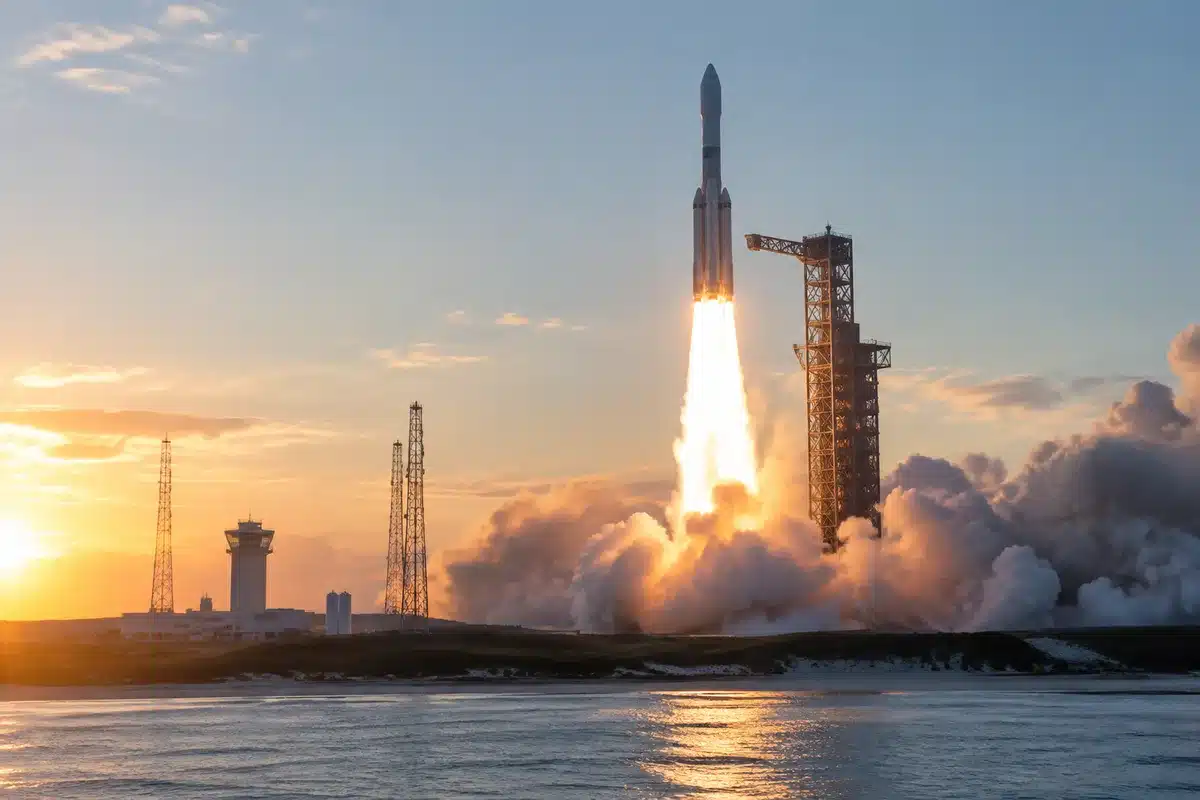
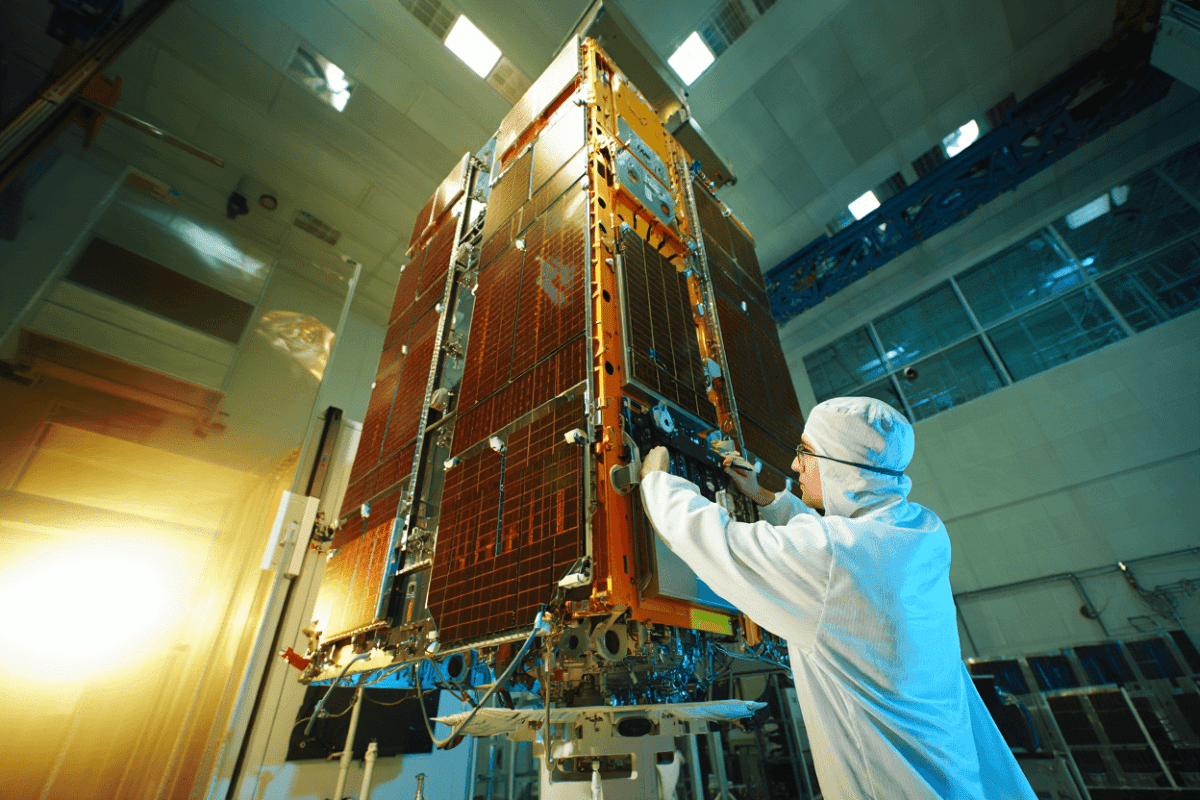
As of Q1 2026, ASTS reported $14.7 million in revenue, a $191 million net loss, and $3.5 billion in cash reserves. The company is actively building BlueBird satellites, its proprietary satellite bus, with the target of putting 45 to 60 operational spacecraft into orbit during 2026. This cadence is critical to meeting the FCC’s 50-percent deployment rule by August 2030.
The cash position provides a runway for operations but also underscores the capital intensity of satellite deployment. Industry precedent suggests that ASTS will need additional funding—either through venture capital, debt, strategic partnerships, or a path to profitability—to sustain a multi-year launch campaign.
| Metric | Value | Status |
| FCC Approval Date | April 21, 2026 | ✓ Approved |
| Constellation Size | 248 LEO Satellites | ✓ Licensed |
| Orbital Altitude | 425–690 km | ✓ Specified |
| Operating Spectrum | 700/800 MHz (Low-Band) | ✓ Shared |
| 50% Deployment Deadline | August 2, 2030 | ⏳ In Progress |
| 100% Deployment Deadline | August 2, 2033 | ⏳ Future |
| Q1 2026 Cash Position | $3.5 Billion | ✓ Funded |
| 2026 Satellite Launch Target | 45–60 BlueBird Satellites | ⏳ On Track |
“By approving our 248-satellite constellation and supplemental coverage from space operations, the Federal Communications Commission has cleared the path for AST SpaceMobile and our partners at AT&T, Verizon, and FirstNet to deliver resilient cellular broadband across the United States.”
— AST SpaceMobile Leadership, FCC Regulatory Approval Statement, April 2026
Execution Risks and Competitive Dynamics
The regulatory victory is significant, but ASTS faces formidable near-term challenges. First, launch capacity remains constrained across the industry—SpaceX, Blue Origin, and other providers are fully booked, meaning ASTS must either negotiate dedicated manifests or develop alternative launch partnerships.
Second, satellite manufacturing requires ramping production of BlueBird units from tens to hundreds annually. Any supply chain disruption—whether in components, antennas, or electronics—could delay the deployment timeline and jeopardize FCC compliance.
Third, Starlink‘s direct-to-cell service (in partnership with T-Mobile) already operates with FCC authorization and has begun service. ASTS launches later but claims superior low-band coverage characteristics and explicit carrier partnerships that may yield faster commercial adoption.
Fourth, the satellite broadband market remains unproven at scale. Revenue per user, churn rates, and the actual demand for supplemental space-based coverage remain uncertain. ASTS‘s business model depends entirely on monetizing partnerships with Verizon, AT&T, and FirstNet—any delay in commercial trials or revenue agreements would pressure the financial outlook.
What This Approval Means for Investors and Industry Observers
The April 2026 FCC order removes a major regulatory overhang that previously weighed on ASTS investor confidence. Prior to approval, the stock traded with existential uncertainty; post-approval, the narrative shifts to execution feasibility.
Analyst consensus remains cautious. ASTS trades on the promise of future revenue, not current profitability. The company faces a 3–7-year deployment window during which capital consumption will remain high and revenue will likely grow incrementally as satellites launch and service begins. Institutional and retail investors betting on ASTS are essentially wagering on management’s ability to execute a complex, capital-intensive project while competing against well-funded rivals.
The broader satellite communications sector benefits from regulatory clarity. ASTS‘s approval signals that the FCC sees value in direct-to-device satellite broadband as a public good—supplementing, not replacing, terrestrial networks. This regulatory environment may support other satellite operators’ future applications, potentially increasing sector viability.
What Happens in the Next 12 Months?
Watch for ASTS to announce specific launch schedules in Q2–Q3 2026. The company must demonstrate progress on BlueBird satellite production and secure launch commitments for 2026 and beyond. Any announcement of manufacturing delays, funding challenges, or launch postponements could trigger a stock reaction.
Additionally, commercial trial updates from partner carriers (Verizon, AT&T, FirstNet) will be critical. Revenue demonstrations and proof-of-concept results will prove whether direct-to-device satellite broadband can achieve sustainable unit economics.
Competitive pressure from Starlink’s T-Mobile partnership will intensify. Both services target similar markets; whichever company achieves network density and commercial scale first may capture disproportionate market share. The regulatory finish line (FCC approval) is one of many races ASTS must win.
Sources
- FCC Document DA-26-391 — Official FCC order authorizing AST SpaceMobile 248-satellite constellation
- Satellite Today — April 22, 2026 reporting on FCC commercial authorization and direct-to-device service approval
- Space News — April 22, 2026 analysis of FCC constellation approval and launch timeline constraints
- ASTS SpaceMobile Q1 2026 Earnings Report — May 11, 2026 financial results and deployment guidance
- Aviation Week Space — Coverage of 248-satellite network authorization and industry implications