Coresight Research projects approximately 7,900 U.S. retail stores will shutter in 2026, down 4.5% from 2025’s 8,270 closures, according to data released in February. This marks a deceleration in closures rather than acceleration—the lowest annual figure in three years. Leading the charge are 7-Eleven (645 stores), Francesca’s (400+ locations through bankruptcy liquidation), and major department stores including Macy’s (80 stores through end of 2026), Saks Fifth Avenue (18 stores), and Saks Off 5th (57 stores). The 2026 closures reflect strategic repositioning rather than industry collapse, with many retailers—from Wendy’s to Apple—closing underperforming locations while expanding elsewhere.
🔥 Quick Facts
- 7,900 U.S. stores projected to close in 2026, representing a 4.5% decrease from 2025
- 5,500 new retail locations expected to open in 2026, up 4.4% from prior year
- 7-Eleven leads closures with 645 North American stores planned through February 2027
- Malls valued at 3.08% annual decline rate since 2017-2022, with nationwide vacancy 112% above retail average
The 2026 Retail Contraction: Context and Historical Perspective
The 7,900-store forecast represents a significant shift from earlier doomsday predictions. In 2021, UBS projected 80,000 closures by 2026—a prediction that proved dramatically overestimated due to e-commerce expansion, changing consumer behaviors, and retail industry adaptation. The actual 2026 figure reflects a maturing retail landscape where closures concentrate in specific segments: department stores, apparel chains, and underperforming mall tenants. The deceleration from 2025’s 8,270 closures signals that the most vulnerable retailers have already exited or restructured, leaving a more resilient base. Between 2017 and 2022, malls declined at an average rate of 3.08% annually, but forward-looking foot traffic data from early 2026 shows indoor malls posting modest improvements—with some months showing year-over-year increases when outlet centers exceeded expectations.
Major Retailers Leading 2026 Store Closures
The closure landscape reveals specific categories under stress. Convenience stores dominate by volume: 7-Eleven’s parent company, Seven & i Holdings, announced 645 North American closures in its fiscal 2026 (ending February 2027), though the company simultaneously plans 205 store openings, indicating selective market rotation rather than retreat. Apparel and specialty retail faces acute pressure: Francesca’s filed for Chapter 11 bankruptcy February 5, 2026, and liquidated all 400+ locations. Torrid closed 151 stores by end-2025 and is shuttering remaining unprofitable locations in first-half 2026. Eddie Bauer closed 175 stores after its Chapter 11 restructuring failed to find buyer interest. Department stores continue strategic retrenchment: Macy’s—the category leader—is closing 80 stores through end-2026 (after 66 closures in 2025), leaving approximately 350 locations. The company attributes closures to focused investment in e-commerce and best-performing physical locations. Luxury sector contraction: Saks Global filed for Chapter 11 bankruptcy January 13, 2026, closing 18 Saks Fifth Avenue stores and 4 Neiman Marcus locations due to supplier payment delays and shifting consumer preferences toward value.
Store Closure Distribution: Mall-Dependent vs. Strategic
| Retailer | 2026 Closures | Category | Primary Reason |
| 7-Eleven | 645 | Convenience | Portfolio optimization |
| Francesca’s | 400+ | Apparel | Bankruptcy liquidation |
| Wendy’s | 300 (est.) | Quick Service | Underperformance |
| Pizza Hut | 250 | Quick Service | Brand acceleration |
| Macy’s | 80 | Department Store | E-commerce priority |
| Saks Fifth Avenue | 18 | Luxury Retail | Bankruptcy restructuring |
| REI | 3 | Outdoor | Market adaptation |
| Apple | 3 | Electronics | Mall decline (Trumbull, North County, Towson) |
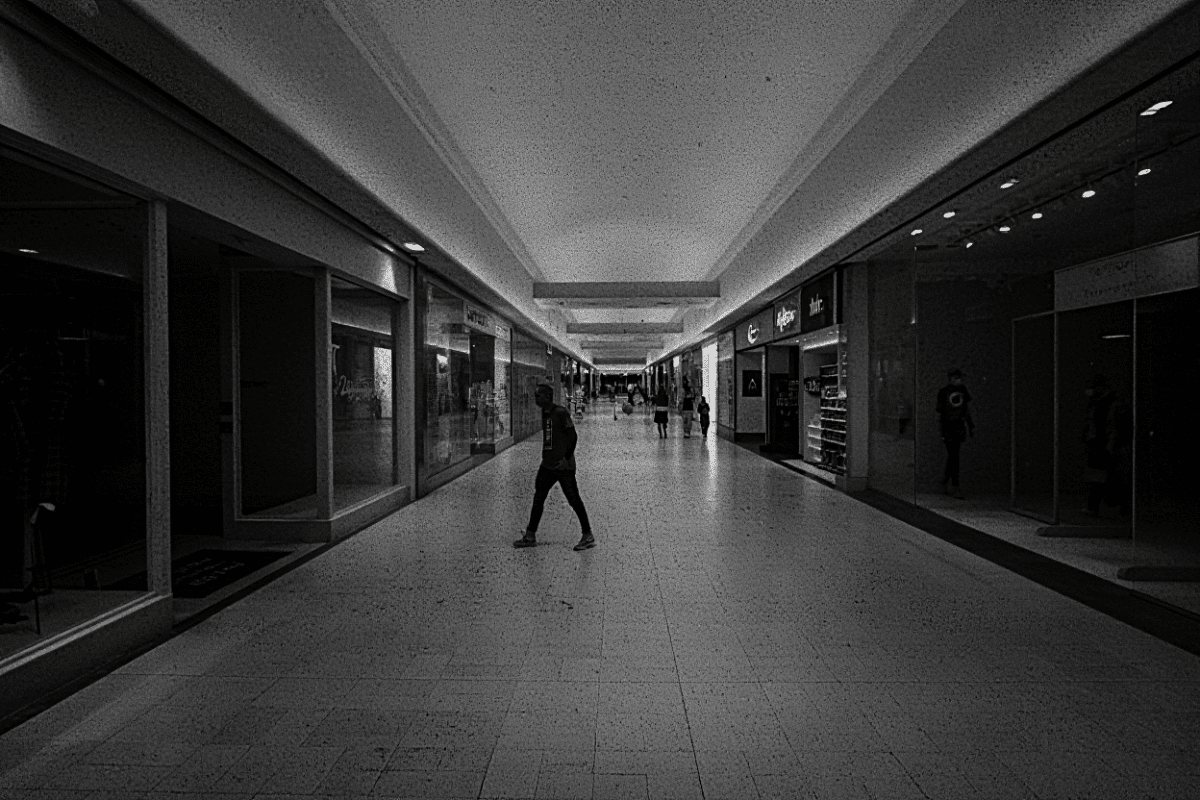
A critical distinction separates 2026 closures: mall dependency versus strategic choice. Struggling enclosed malls—defined by anchor tenant departures and declining foot traffic—drive closures at Apple (which explicitly cited “departure of several retailers and declining conditions” at Trumbull Mall Connecticut, Shops at North County California, and Towson Town Center Maryland). Conversely, grocery retailers like Kroger are closing 60 “unprofitable” stores across diverse formats, with CEO statements emphasizing underperformance rather than structural retail decline. This bifurcation matters: non-mall closures often signal rational portfolio pruning, while mall-based closures indicate structural challenges in enclosed shopping centers.
“By exiting these remaining unprofitable doors, we are taking actions to reduce costs and support the long-term health of the business,” said Joe Vernachio, CEO of Allbirds, which closed its remaining 23 full-price U.S. stores by end-February 2026 to focus on e-commerce operations.
— Joe Vernachio, CEO, Allbirds
Coresight Research Methodology: Why 7,900 Represents a Slowdown
Coresight Research’s projection carries institutional weight because the firm tracks verified announcements from publicly traded and major private retailers rather than speculating about potential closures. The 7,900 figure is explicitly lower than 2025’s 8,270 actual closures, indicating deceleration rather than acceleration. This projection includes stores being converted to alternative formats (7-Eleven converting some locations to wholesale fuel stores, for example), which technically counts as closures while representing strategic repositioning. The 5,500 new store openings projected for 2026—up from 2025’s 5,270—reveal net contraction of only 2,400 locations annually, a marginal 0.1% decline in the total U.S. retail footprint. For context: the U.S. had 2,500+ enclosed malls in 1980 and roughly 900-1,000 remain today, representing a gradual 60-year decline rather than recent catastrophic collapse.
What Happens to Closed Store Locations and Jobs?
The human and economic implications deserve explicit examination. Employment impacts vary dramatically by retailer: Newell Brands (Yankee Candle parent) eliminated 900 jobs alongside 20 store closures—roughly 45 jobs per location. Saks Global’s restructuring affects hundreds of employees across multiple brands. Conversely, many closures involve franchise transfers or employee reassignments: Apple explicitly stated that employees at Trumbull and North County locations would “continue their roles at nearby stores,” while Towson unionized workers could apply for positions at other Apple locations per collective bargaining agreements. Commercial real estate impacts concentrate in challenged malls: a closed anchor store tenant (Macy’s leaving Towson or similar) can trigger cascading secondary closures as consumers reduce mall visits. However, successful malls show resilience: Simon Property Group reports that premium malls with experiential tenants (restaurants, entertainment) and mixed-use redevelopment maintained stronger 2026 foot traffic. Some closed retail spaces are being converted to medical offices, fitness centers, and apartment housing—particularly in suburban markets near Orange County, California where empty malls are transitioning to mixed-use developments with residential units.
Looking Forward: Will 2027 Mark Further Deceleration or Reversal?
The critical question for investors and consumers: does the 7,900 projection represent a floor or a pause? Positive indicators emerge from specific segments: Grocery Outlet’s turnaround strategy (closing 24 Eastern U.S. stores while opening 30-33 net new locations nationally) suggests successful retailers are redeploying capital rather than retreating. TJX Companies (off-price retail) and Costco continue expansion despite broader compression. Headwinds persist in traditional retail: rising labor costs, import tariffs (cited by Carter’s as costing $200-250 million annually), and persistent competition from digital-native commerce models. Government data shows retail e-commerce penetration holding above 20% of total sales, a structural shift unlikely to reverse. Mall viability depends on local market factors: luxury-focused malls in wealth-concentrated markets (South Florida, Southern California, Northeast) show better resilience than traditional enclosed malls serving middle-income suburban areas. Real estate data indicates early-mover premium malls completed mixed-use conversions and captured valuations, while troubled malls face accelerating decline.
Sources
- Coresight Research – February 2026 annual store closures and openings forecast (7,900 closures projected, 5,500 openings)
- Business Insider – Comprehensive April 2026 list tracking 2,000+ planned 2026 closures across retailers (7-Eleven, Francesca’s, Wendy’s, Pizza Hut, Eddie Bauer, Carter’s, Macy’s, and others)
- The Sun – March 2026 analysis of major retailers including Macy’s, Carter’s, Saks, and Yankee Candle closures
- CNBC – February 2026 original Coresight projection and retail-opening strategy analysis
- Capital One Shopping Research – December 2025 mall closure statistics showing 3.08% annual decline 2017-2022 and 112% higher vacancy rates versus retail average
- University of Michigan – April 2026 analysis of e-commerce acceleration and mall reinvention trends