Apple this week named longtime hardware chief John Ternus as its next CEO, a move that could pivot the company toward device-first artificial intelligence just as geopolitical tensions and component shortages complicate manufacturing. The choice signals a shift in priorities at a moment when customers and investors are watching closely for Apple’s next big step in AI and consumer robotics.
Tim Cook departs having expanded Apple from a niche computer maker into one of the world’s largest companies, building a lucrative services arm and guiding years of record profits. Ternus, by contrast, is a product-focused engineer whose career has centered on designing and refining the gadgets Apple sells.
From device engineering to the corner office
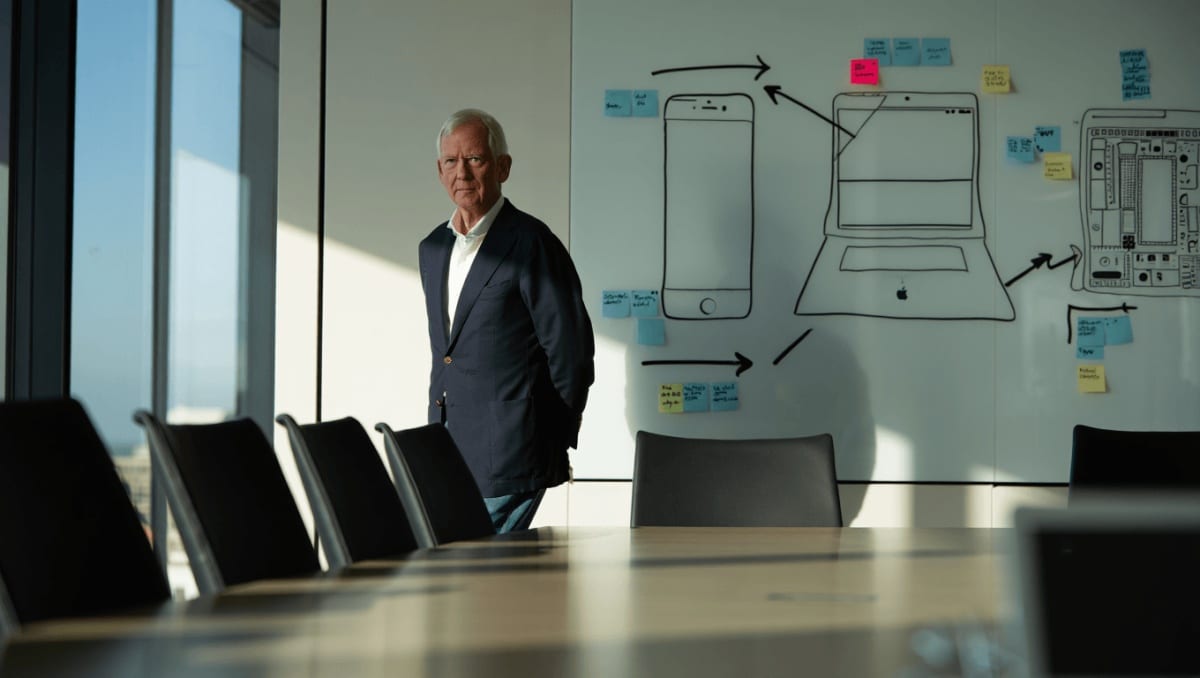
Ternus joined Apple in 2001 and rose through hardware engineering roles, leading efforts on items such as AirPods, Apple Watch and the Vision Pro headset. His track record suggests he will prioritize physical products and the integration of AI features directly into those devices, rather than chasing the largest, cloud-based language models.
This approach would emphasize on-device intelligence — delivering personalized, private assistants and new hardware experiences that rely on local processing as much as cloud services. Observers expect the company to bind such features tightly to the iPhone and to keep Siri central to the experience.
What products might move forward
Several potential launches have been discussed in industry reports. None are confirmed, but together they outline a possible roadmap under Ternus.
- Foldable iPhone — Long rumored and reportedly nearing release; some sources suggest a debut could occur this autumn, with Apple waiting until the design meets its durability and quality standards.
- Smart glasses — Lightweight AR eyewear that could extend visual AI features beyond the phone, still very speculative and likely incremental at first.
- Wearable camera pendant — A compact, body-worn device under development in some research circles as a hands-free capture tool and sensor hub.
- AI-enhanced AirPods — Earbuds with on-device assistant capabilities for transcription, translation, and contextual prompts.
- Tabletop/home robots — Prototypes include a display with a robotic arm or a mobile screen that can move to follow users for video calls and simple tasks.
- Humanoid robotics research — Early-stage experimentation has been reported, but such projects are likely several years from consumer products.
Supply-chain and policy headwinds
Any product push will face practical constraints. The semiconductor market still feels the effects of recent memory shortages, and trade policy — including varying tariff proposals — adds uncertainty to costs and sourcing decisions.
Apple’s manufacturing footprint has already begun to diversify: while the company once produced roughly 80% of iPhones in China, recent reporting indicates a substantial shift toward India, which last year accounted for about a quarter of iPhone assembly. That transition eases some geopolitical risk but raises new logistical and quality-control challenges.
Why this matters to users and the industry
Under Ternus, expect Apple to try to make the device itself the primary locus of AI value: smarter phones, wearables and home products designed to feel seamless and private. For consumers, that could mean assistants that understand context without constantly sending data to the cloud. For developers, it could shift integration patterns toward on-device APIs and richer sensors.
Investors and suppliers will be watching how quickly Apple can convert research into reliable hardware at scale while navigating tariffs and component availability. The balance Ternus strikes between innovation and production pragmatism will help define Apple’s next era.
Observers note one personal through-line: Ternus has long shown an interest in robotics and assistive devices — early academic work included systems to help people with mobility impairments operate mechanical arms — suggesting he may be inclined to accelerate physical innovations as much as software ones.
Whether that translates into mainstream, market-ready products will depend on technical progress and the company’s ability to manage a complex global supply chain during an uncertain policy environment.