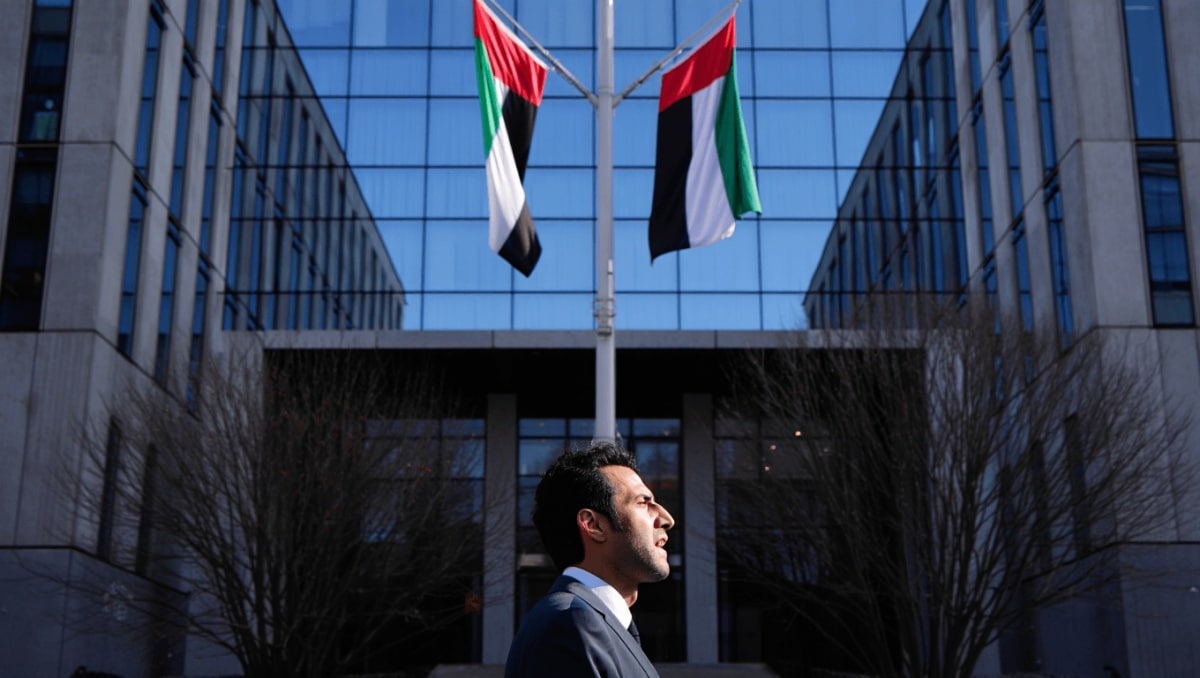
On Tuesday the United Arab Emirates confirmed it will leave both OPEC and the OPEC+ grouping after nearly six decades of membership — a move that immediately reshapes the cartel’s dynamics and could influence global oil markets for years. The decision gives Abu Dhabi greater control over its production decisions at a time of tight supplies and heightened regional tensions.
The UAE’s exit severs a long-standing commitment to the cartel’s quota system, which is led by Saudi Arabia and designed to limit output and support prices. Analysts say the Emirati government has sought more freedom to scale production in response to both strategic and economic pressures.
Why the UAE says it needs flexibility
Officials in Abu Dhabi argue they require the ability to raise output independently as they rebuild and expand capacity. Before the recent regional attacks, the UAE’s crude production sat around 3.6 million barrels per day; authorities now aim to lift that to as much as 5 million barrels per day by 2027, according to international energy data and industry projections.
Another factor is logistics: the UAE has been routing oil through a 249-mile pipeline that bypasses the Strait of Hormuz, limiting exposure to choke-point risks. With that alternate route and plans to expand capacity, the UAE’s leaders see less reason to remain bound to cartel quotas that might constrain their recovery and revenues.
Longstanding political friction with Riyadh has also been a background factor. While both countries are closely aligned on many regional issues, differences over strategy in places such as Yemen and competition for influence have occasionally strained relations — tensions that, analysts say, make independent policy choices more attractive to Abu Dhabi.
Immediate market effects
Markets reacted quickly. With Brent crude trading above $100 per barrel this week, the additional barrels the UAE envisions producing could bring meaningful revenue to cover reconstruction and security costs after recent attacks that struck Gulf facilities.
At the same time, traders and policy watchers warn of a possible political ripple effect: if other OPEC members question the benefit of staying, the cartel’s ability to coordinate production and support higher prices could weaken.
- For global supply: UAE plans to expand output, adding potential barrels to the market by mid-decade.
- For prices: A sustained breakup of OPEC could put downward pressure on medium-term oil prices; in the short term, tight supplies and geopolitical risk keep upward pressure.
- For geopolitics: The move reduces one element of cohesion among Gulf producers and highlights shifting security and economic priorities after regional strikes.
- For consumers: A less disciplined cartel could eventually mean cheaper fuel, but that depends on how many members follow the UAE and how fast new production comes online.
Some experts caution against extrapolating a full collapse of the cartel immediately. OPEC’s authority rests on the willingness of several major producers to coordinate; a single departure complicates but does not automatically undo that framework. Nevertheless, the UAE’s choice increases the chances of fragmentation over the medium term.
What to watch next
Key signals to monitor in the coming weeks include whether other OPEC members publicly reassess their commitments, how quickly Abu Dhabi ramps up exports, and whether the UAE’s pipeline throughput rises as planned. Energy ministers, market data on production and shipments, and follow-up diplomatic exchanges between Gulf capitals will shape the direction of prices and policy.
For now, the UAE’s withdrawal marks a notable recalibration in the balance between national energy sovereignty and collective market management — and it arrives at a moment when both supply vulnerabilities and price sensitivity are unusually high.