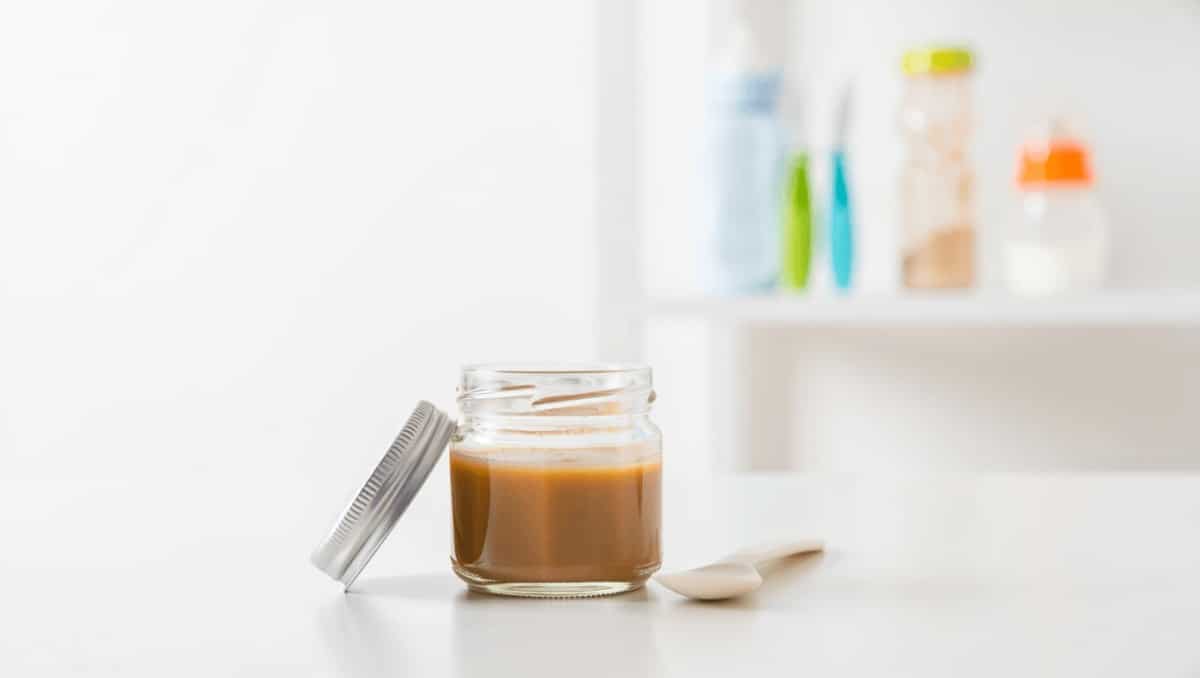
Austrian authorities said Saturday that a commercially sold jar of baby food was found to contain rat poison, triggering a cross-border recall and a criminal investigation. The discovery has prompted retailers and health agencies in multiple Central European countries to warn shoppers and pull affected batches from shelves.
The product implicated is made by HiPP, a German-Swiss maker of organic infant foods, and was removed from stores in Austria as a precaution after laboratory tests confirmed the presence of a rodenticide. Officials stressed the contamination appears to be the result of deliberate tampering rather than a manufacturing defect.
What happened and where
Police in Burgenland, eastern Austria, said they seized a jar — a carrot-and-potato variety — that a customer reported but did not serve to their child. Testing by national criminal investigators identified poisonous compounds used in common rodenticides.
The same brand’s jars with similar signs of tampering have since been found in the Czech Republic and Slovakia, and authorities warned that comparable items may have been offered for sale in neighboring Germany. HiPP products are also available internationally through specialty importers, so authorities urged vigilance beyond the immediate region.
How to spot a potentially tampered jar
Consumers were advised to inspect any HiPP jars they may have at home and to look for these warning signs:
- A white sticker marked with a red circle on the bottom of the glass container
- Unusual or sour odor when the jar is opened
- Damaged lids, missing safety seals, or lids that do not make a normal “click” on first opening
- Any signs the jar was previously opened or resealed
If you suspect a jar is compromised, do not taste or feed it to a child. Place the item aside — ideally in a sealed container — avoid touching the contents directly (use gloves), and wash hands thoroughly afterwards. Retailers named by HiPP — including Spar, Eurospar, Interspar and Maximarkt in Austria — are offering refunds even without receipts.
Health risks and medical guidance
Laboratory analysis pointed to active ingredients commonly found in rat poisons, such as bromadiolone, which interferes with blood clotting by blocking the action of vitamin K. Symptoms can be delayed and include unusual bruising, bleeding from the gums or nose, blood in stools, and profound weakness or paleness.
Public-health officials said anyone who believes they or their child may have ingested a contaminated product should seek medical attention promptly. Treatment is available and typically involves administering vitamin K and supportive care; when treated early, outcomes are generally favorable.
Legal and industry context
HiPP stressed that the affected jars left its production facility in good condition and characterized the incident as a criminal act now under investigation. The company and authorities are working together to trace the distribution chain and determine how the tampering occurred.
For parents and caregivers, the episode is a reminder that food-supply security can be compromised through targeted interference, not only through manufacturing errors. Retailers and regulators will likely intensify monitoring of shelf items and packaging integrity while the probe continues.
| Product | Reported retailers | Countries with seized jars |
|---|---|---|
| HiPP — carrot & potato jar | Spar, Eurospar, Interspar, Maximarkt | Austria, Czech Republic, Slovakia (possible circulation in Germany) |
Authorities have asked anyone who purchased jars with suspicious markings or who finds evidence of tampering to contact local police or consumer safety agencies and to follow their instructions. The investigation is active; officials have not yet identified a suspect or motive.
While the number of confirmed tampered jars remains small, the incident has immediate implications for caregivers: check baby-food stocks now, keep potential evidence intact for investigators, and seek care quickly if exposure is suspected.