A renewed push this week to create a federal body focused on religious liberty has reopened a contentious national debate about the boundary between faith and government. Backers say the measure aims to protect Americans’ ability to practice religion freely; critics warn it could weaken longstanding limits on church-state entanglement and roll back civil-rights protections.
What proponents say
Supporters portray the proposed commission as a mechanism to defend religious expression in public life, from classrooms to hospitals. They argue that recent legal decisions and administrative actions have left some faith communities vulnerable and that a federal forum could clarify inconsistencies in enforcement across agencies.
Those promoting the idea say the panel would review federal policies, collect testimony from affected groups and recommend rules or legislative fixes. The initiative has been publicly associated with former President Donald Trump, who has frequently framed religious-liberty questions as central to his political agenda.
Why critics are alarmed
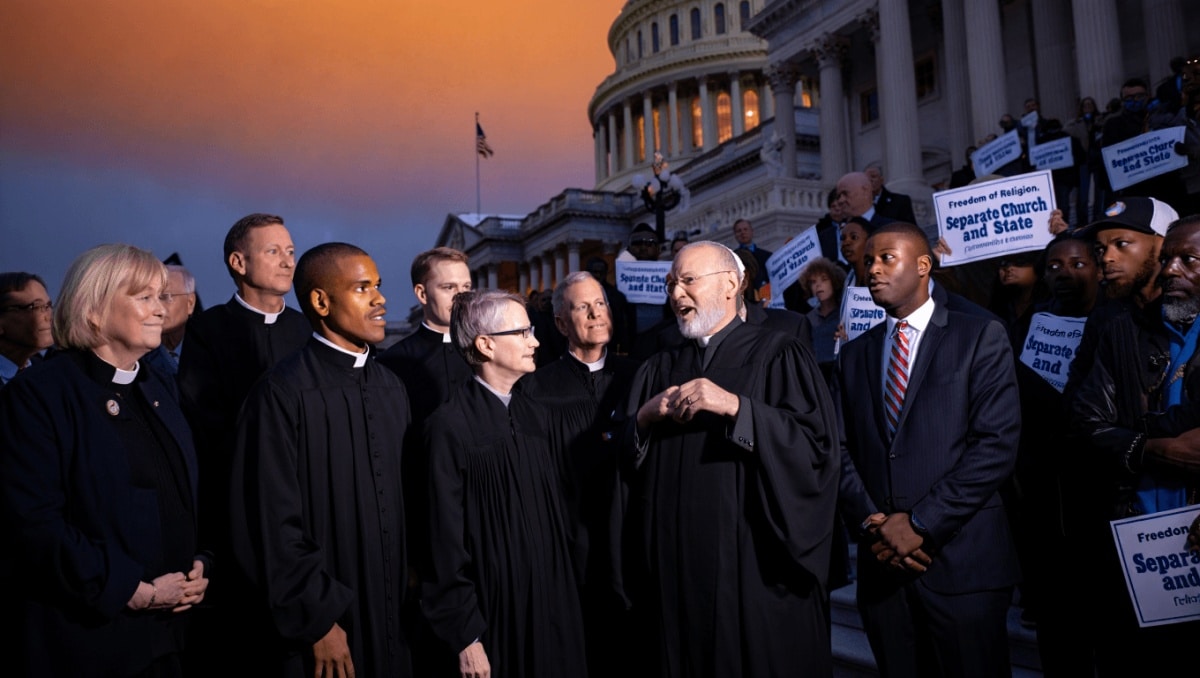
Opponents — including civil-rights organizations, some legal scholars and a number of faith leaders — view the proposal with suspicion. Their main concern is that a commission focused narrowly on “religious liberty” could be used to justify exemptions from nondiscrimination laws, especially for women, LGBTQ+ people and others.
Legal observers note that the U.S. maintains a delicate balance between protecting individual religious practice and preserving the constitutional principle of separation between church and state. They warn that expansive government-sanctioned exemptions could create uneven access to services and protections.
Concrete implications for the public
The debate is not just abstract. Possible outcomes of a commission’s recommendations could affect everyday situations: whether a business can refuse service, how schools accommodate religious practices, and how federal funds are distributed to faith-based organizations.
- Healthcare access: Rules could change how hospitals and providers handle procedures or referrals that conflict with religious beliefs.
- Employment law: Guidance might expand or narrow employers’ ability to claim religious exemptions from nondiscrimination policies.
- Education: Public schools and universities could see new directives about religious expression on campus or in curricula.
- Federal funding: The criteria for awarding grants to faith-based groups could be revised, altering eligibility and oversight.
- Court challenges: Any policy shifts would likely prompt litigation, shaping the courts’ role in interpreting competing rights.
Political calculus
For politicians, the issue carries both persuasive appeal and risk. Defending what many voters call “religious freedom” can mobilize a committed constituency, but hardline measures that appear to permit discrimination may alienate moderates and provoke backlash from business and civic leaders.
Timing matters: if the proposal advances close to an election cycle, it will become a focal point in campaign messaging and may accelerate legal contests that take years to resolve.
What to watch next
Key indicators to follow in the coming weeks include whether White House advisers or congressional leaders formally endorse creating a commission, how membership would be selected, and the scope of its authority. Observers will also monitor initial statements from major civil-rights groups, religious organizations across denominations, and state attorneys general.
Any formal charter or executive order would be accompanied by legal analyses and likely a series of court filings. That process will shape the practical reach of any recommendations and determine whether changes happen through policy, legislation or litigation.
Bottom line: The renewed emphasis on religious liberty forces a familiar but consequential trade-off into the open: protecting believers’ rights while preventing government-sanctioned discrimination. How policymakers resolve that tension will have immediate effects on everyday institutions and long-term consequences for constitutional interpretation.