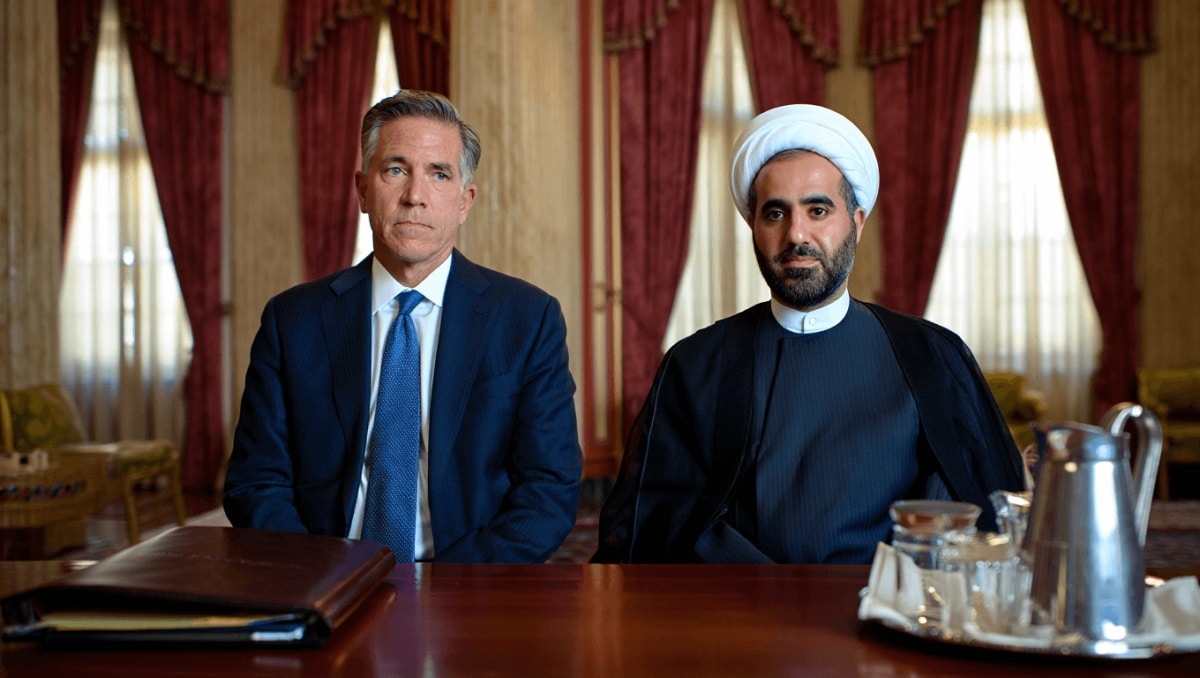
U.S. and Iranian representatives held a recent, private meeting that officials say could open the door to a follow-up round of direct talks — a development with immediate implications for regional stability, sanctions policy and global markets. If a second session is agreed, it would mark a cautious, significant step toward reopening channels that have been strained for years.
Details of the initial encounter remain limited, with both sides keeping formal public comments to a minimum. Still, the reported exchange has already prompted reaction across capitals in the region and in Washington, where analysts are debating whether diplomatic momentum can be sustained and translated into concrete outcomes.
Why this matters now
The prospect of renewed U.S.-Iran engagement matters because it touches on several high-stakes questions: the future of sanctions relief, controls over Iran’s nuclear and missile-related activities, the safety of commercial shipping in the Gulf, and the broader risk of escalation through proxy conflicts. Any movement toward additional meetings could shift calculations for policymakers, markets and regional actors.
Short, cautious diplomacy can produce outsized effects. Even preliminary talks often change the tone of public statements, influence oil-price expectations and alter the behavior of allied governments that have worked to counter Tehran’s influence.
What we know and what remains unclear
Officials speaking privately say the contact was intended to explore whether a structured, continuing dialogue is possible. That suggests the meeting was less about immediate agreements and more about testing the conditions under which negotiations might proceed.
Important unknowns include the agenda for any follow-up, whether mediators or third-party hosts will be involved, and what each side would require to consider talks productive. Observers note that past rounds of negotiations have depended on careful sequencing — and on parallel confidence-building steps — before more substantive concessions can be discussed.
- Agenda questions: Will talks focus on a narrow set of issues (prisoner swaps, maritime security) or broader topics (sanctions, nuclear activities)?
- Participants: Will talks be direct between capitals or conducted via intermediaries and quiet envoys?
- Timing: Is the move aimed at defusing immediate tensions or preparing the ground for longer-term diplomacy?
Possible consequences
Even tentative engagement produces policy ripple effects. For governments that rely on U.S. signals to shape their own positions, a willingness to keep talking can reduce short-term military pressures and provide breathing room for diplomatic de-escalation.
For the private sector and markets, the expectation of calmer relations can be reflected quickly in oil prices and shipping insurance rates. Conversely, if talks stall or are perceived as insincere, those indicators can harden and increase volatility.
Context: a history of fits and starts
U.S.-Iran relations have been defined in recent years by episodic diplomacy punctuated by periods of intense confrontation. Previous rounds of negotiation have resulted in both breakthroughs and setbacks; the pattern underlines how fragile progress can be when mutual mistrust is high.
Analysts caution that a single meeting does not predict a comprehensive settlement. Successful diplomacy historically requires sustained engagement, reciprocal steps to build trust, and often, third-party facilitation to bridge gaps. At the same time, even limited progress on practical matters—such as resolving detainee cases or improving maritime safety—can make future talks more feasible.
What to watch next
Observers and policymakers will be looking for several concrete signals that a deeper process is underway:
- agreements on a venue and dates for a second meeting;
- narrow, verifiable confidence-building measures (for example, humanitarian exchanges or procedural arrangements for future contacts);
- changes in public rhetoric from either side that suggest a shift from brinkmanship to negotiation; and
- responses from regional partners — especially governments directly affected by Iran’s regional role.
Should a second round be confirmed, its structure and scope will be crucial. A tightly focused agenda could produce practical results quickly; a broader set of demands would likely require more time and careful sequencing.
The reported opening is modest but meaningful: it shows both sides are, at least for now, willing to test whether diplomacy can outpace confrontation. How much ground can be covered in subsequent meetings will determine whether this is a brief diplomatic detour or the start of a more sustained effort to reduce tensions.