
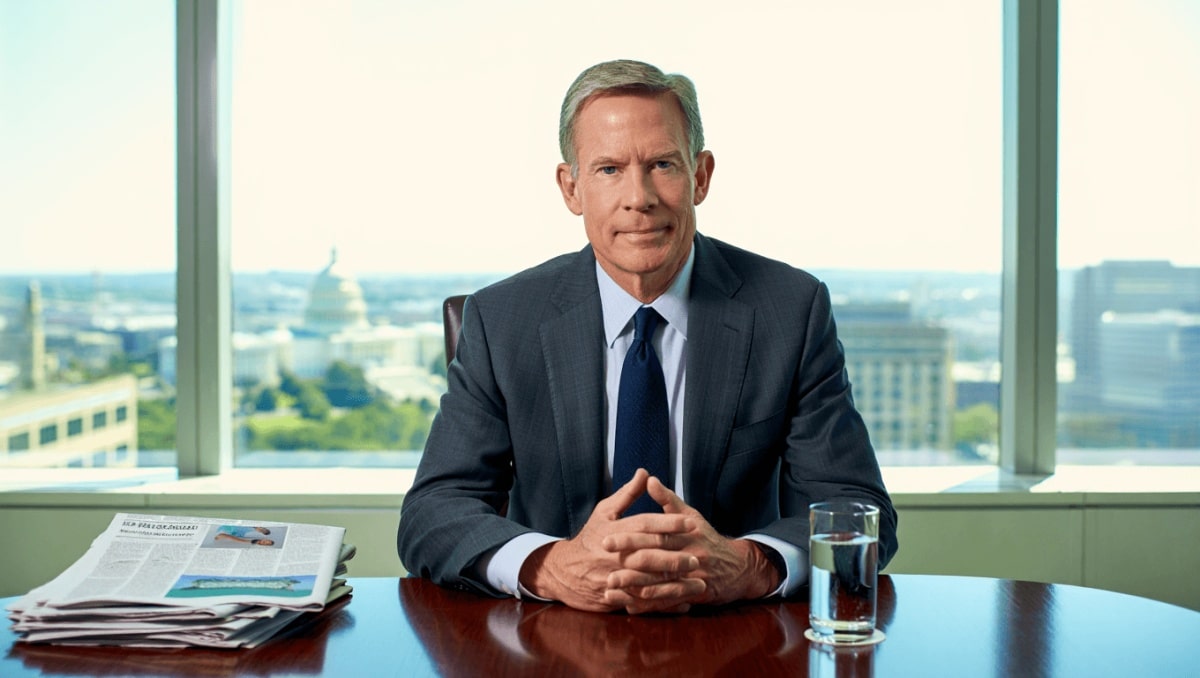
President Donald Trump has nominated former Fed governor and Wall Street executive Kevin Warsh to lead the Federal Reserve, sparking immediate comment from economists, investors and former policymakers. Their reactions—ranging from enthusiastic endorsement to sharp skepticism—underscore how the choice could reshape questions about the Fed’s independence and the outlook for interest-rate policy.
Warsh, who has served both on the Federal Reserve Board and in senior finance roles, is viewed by many as experienced and well-connected. Within minutes of the announcement, analysts and prominent figures across the political and financial spectrum weighed in, signaling that the confirmation process and markets will be watching closely.
What influential voices are saying
Below are rapid responses from notable economists and market leaders, summarized for clarity.
- Mohamed El‑Erian — Congratulated Warsh and argued his experience and communication skills could help modernize the Fed and strengthen policy effectiveness.
- Jason Furman — Called Warsh competent and independent enough for the job but urged the Senate to probe potential political pressures and for the White House to limit those risks.
- Joseph Brusuelas — Said Warsh meets technical standards but raised concerns about his past emphasis on inflation over crisis support and asked how he would act during a downturn.
- Robin Brooks — Described Warsh as a solid, hawkish choice; noted markets reacted only modestly, suggesting investors wonder about behind‑the‑scenes commitments.
- Paul Krugman — Strongly criticized the pick, portraying Warsh as politically driven and questioning whether he would defend countercyclical measures under a Democratic administration.
- Sonali Basak — Pointed out Warsh’s ties to Stanley Druckenmiller’s investment circle, highlighting the nominee’s private‑sector connections.
- George Osborne — Praised Warsh’s experience and suggested the selection could boost global confidence.
- Alan Howard — A long‑time acquaintance who called Warsh an “outstanding” choice based on judgment and integrity.
- Ray Dalio — Backed the nomination, emphasizing Warsh’s grasp of the trade‑offs between overly loose and overly tight policy and his ability to work with political leaders.
- Raphael Bostic — Said Warsh is thoughtful and engaging, but reminded listeners that preserving the Fed’s independence remains paramount.
- Mark Zandi — Labeled the pick reasonable, noting Warsh’s familiarity with the institution and global central bankers, while stressing the central question: will politics influence rate decisions?
These reactions cluster around two recurring themes: respect for Warsh’s credentials and unease about possible political influence. For some, his background promises steadiness; for others, it raises alarms about whether the Fed can remain detached from short‑term political priorities.
Why this matters now
The nomination arrives at a sensitive moment for central banking. Markets price interest‑rate expectations and respond quickly to shifts in perceived central‑bank direction. A Fed chair who emphasizes tighter policy or prioritizes certain risks could alter borrowing costs, stock and bond valuations, and the dollar’s trajectory.
At stake are concrete outcomes: the Fed’s use of its balance sheet, how aggressively it fights inflation, and approaches to supporting the economy during shocks. Lawmakers and investors alike will be looking for clear commitments on institutional independence and crisis playbooks.
Near-term calendar and likely next steps
The nomination moves the focus to congressional hearings and vetting. Expect Senators to press Warsh on:
- How he would safeguard the Fed’s decision‑making from political pressure.
- His approach to using the balance sheet and emergency lending tools.
- Past votes and public statements that reflect his priorities during downturns.
Markets will also be sensitive to signals about immediate monetary policy direction, and commentators will continue to parse both his record and public remarks.
The story will evolve quickly: confirmations, testimony and market responses will determine whether the nomination calms uncertainty or intensifies scrutiny of the Fed’s role. Observers should watch how Warsh frames his priorities in hearings and whether his answers reassure those worried about the separation between politics and monetary policy.










