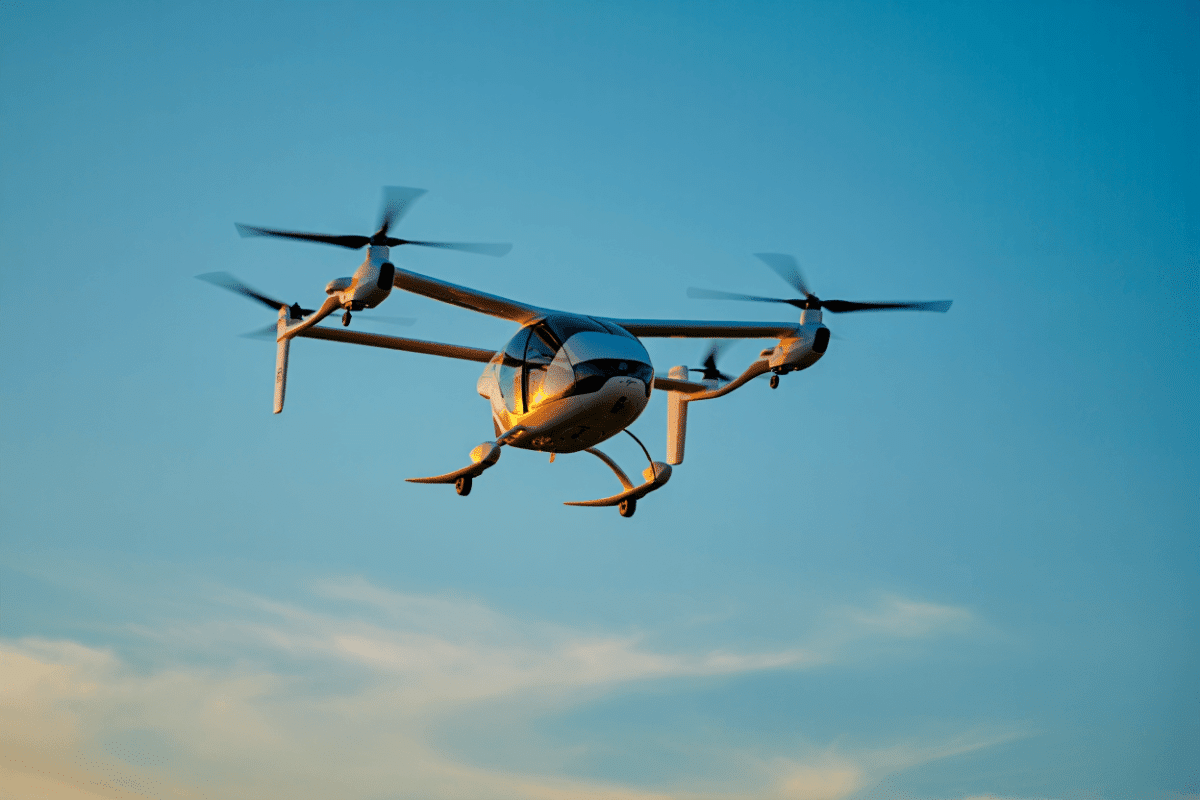
Joby Aviation stock settled near $10.92 per share on May 26, 2026, as the electric air-taxi developer advances through critical phases of FAA certification and begins positioning for commercial operations. The company completed Stage 4 of FAA Type Certification in April 2026 and entered Stage 5—the final certification phase—signaling tangible progress on a path toward regulatory approval expected by September 2026.
🔥 Quick Facts
- Stock Price: Trading near $10.92, up 5.0% with 34.9 million shares in volume
- Cash Position: $2.5 billion in cash, equivalents, and short-term investments as of Q1 2026
- Q1 2026 Revenue: $24.2 million, beating forecasts of $20.2 million (beat by 19.8%)
- FAA Milestone: Completed Stage 4 and entered Stage 5 of Type Certification process in April 2026
- eIPP Operations: Selected for FAA’s eVTOL Integration Pilot Program across 13 states effective summer 2026
Understanding Joby’s FAA Certification Progress
Joby Aviation operates in a five-stage FAA Type Certification process designed to validate that aircraft meet all regulatory safety and performance requirements. The company’s completion of Stage 4 in April 2026 represents a critical validation point: comprehensive for-credit testing of every component, subsystem, and flight behavior has been accepted by the agency. This milestone demonstrates that Joby’s aircraft design conforms to FAA specifications and that performance testing has verified all critical systems function as intended. The progression to Stage 5—Type Inspection Authorization—indicates FAA inspector review and final ground/flight testing are underway with Joby’s first production-conforming aircraft.
Historical context matters: Joby completed Stage 3 in January 2026 after submitting design changes for FAA review in 2024. The company’s four-year arc from Stage 2 completion in February 2023 to Stage 4 completion in April 2026 reflects both technical rigor and accelerating momentum. FAA Type Certification typically spans 5–8 years for conventional aircraft; Joby’s timeline suggests acceleration consistent with regulatory reforms favoring advanced air mobility innovation.
Commercial Operations Timeline: Dual-Path Strategy
Joby is pursuing two simultaneous pathways to revenue: full FAA Type Certification and early commercial operations. On March 9, 2026, the company was selected for the eVTOL Integration Pilot Program (eIPP), a White House-backed initiative enabling pre-certification operations across 13 states including Arizona, Florida, New York, North Carolina, Nevada, and Texas. This program permits passenger, cargo, and medical transport flights under limited conditions while FAA Type Certification continues. Joby plans initial eIPP flights in New York during summer 2026, with operations potentially expanding to other states by Q3 2026. Such early operations generate revenue, real-world operational data, and regulatory feedback—all accelerating the path to full approval.
Full Type Certification is projected by September 2026, based on current FAA testing schedules. Certification approval would enable unrestricted commercial operations nationwide by year-end 2026. The company’s robust cash position of $2.5 billion and Toyota’s cumulative investment of $894 million provide substantial runway for manufacturing scale-up, pilot hiring, and regulatory compliance costs.
Financial Health and Market Position
| Metric | Q1 2026 Value | Year-Over-Year Change |
| Revenue | $24.2 million | +19.8% vs forecast |
| Cash & Investments | $2.5 billion | Raised $600M in equity |
| Net Loss | $110 million | EPS beat: -$0.12 vs -$0.21 |
| Burn Rate Guidance (H1 2026) | $340–$370 million | Reflects manufacturing ramp |
| Market Cap | ~$10.74 billion | 52-week range: $6.72–$20.95 |
Joby beat Q1 2026 earnings expectations by delivering $24.2 million in revenue against a consensus forecast of $20.2 million. The EPS loss of -$0.12 exceeded expectations (beat analyst estimate of -$0.21 by 46%), reflecting operational efficiency gains. The company’s $2.5 billion cash position supports continued certification efforts and manufacturing preparation for three to five years of operations without additional equity raises. Toyota’s partnership and $894 million cumulative investment validates the business model and provides manufacturing expertise for scaling production.
“Joby has now completed Stage 4 of the FAA’s five-stage type certification process, a milestone that signals the agency has accepted all of our design documentation and test plans. We are currently in Stage 5—the final phase—with FAA Type Inspection Authorization testing underway on our first production-conforming aircraft.”
— Joby Aviation leadership statement, April 2026
Industry Context: The eVTOL Market Opportunity
The global air-taxi and eVTOL (electric vertical takeoff and landing) market is projected to grow from $1.5–$2.1 billion in 2026 to $5–$6 billion by 2033–2034, representing a compound annual growth rate of 14–40% depending on adoption assumptions. Joby leads the certification race among publicly traded eVTOL developers, with competitors like Archer Aviation in earlier certification stages and others still in prototype testing. Initial routes will connect urban centers to airports, with pricing comparable to high-end ride-sharing ($100–$300 per trip). The company has announced partnerships with Uber for trip-matching services and Dubai partnerships for international operations, expanding revenue diversification beyond U.S. markets.
Unlike traditional aerospace manufacturers requiring 20-year development cycles, Joby’s accelerated timeline reflects reformed FAA processes and regulatory momentum favoring advanced air mobility. The 2026 eIPP program endorsement demonstrates government commitment to regulatory innovation, reducing technical risk and shortening paths to scaled operations.
Key Risk Factors and Investor Considerations
Joby stock trades near $10.92, a 48% decline from its 52-week high of $20.95 (achieved in August 2025). While certification progress is tangible, several execution risks remain: (1) FAA approval may be delayed beyond September 2026 if unexpected technical issues emerge during Stage 5 testing; (2) manufacturing scale-up costs may exceed current burn-rate guidance if production ramps faster than anticipated; (3) regulatory changes or new safety requirements could impose additional certification delays. Investors should monitor quarterly earnings for burn-rate trends, aircraft delivery timelines, and eIPP operational updates as near-term catalysts.
The company’s $2.5 billion cash position mitigates financial risk through at least late 2027, assuming continued burn rates of $340–$370 million per half-year. Commercial operations revenue from eIPP flights is expected to begin offsetting operational costs by Q4 2026, providing a data-driven test of business model viability before full certification.
What Could Drive Near-Term Stock Movement?
Positive catalysts include FAA Type Certification approval (expected September 2026), first commercial eIPP flights in New York (likely July–August 2026), aircraft delivery milestones to manufacturing partners, and expanded state participation in the eIPP program. Negative catalysts include regulatory delays, unexpected technical issues during Stage 5 testing, or cash-burn acceleration due to production costs. The stock’s recent 5% single-day gain reflects growing confidence in certification timelines, though volatility remains elevated given the binary nature of regulatory approval risks. Investors should view Joby stock as a high-conviction play on advanced air mobility commercialization, not a near-term trading opportunity.
Sources
- CNBC Markets – Current stock price and 52-week range data
- Joby Aviation Investor Relations – Q1 2026 earnings, FAA certification milestones
- FAA Newsroom – eVTOL Integration Pilot Program announcement and timeline
- Aviation Week – eIPP operations roadmap and state selections
- Commercial UAV News – Comparative FAA certification progress for eVTOL developers
- Fortune Business Insights / Mordor Intelligence – eVTOL market sizing and projections