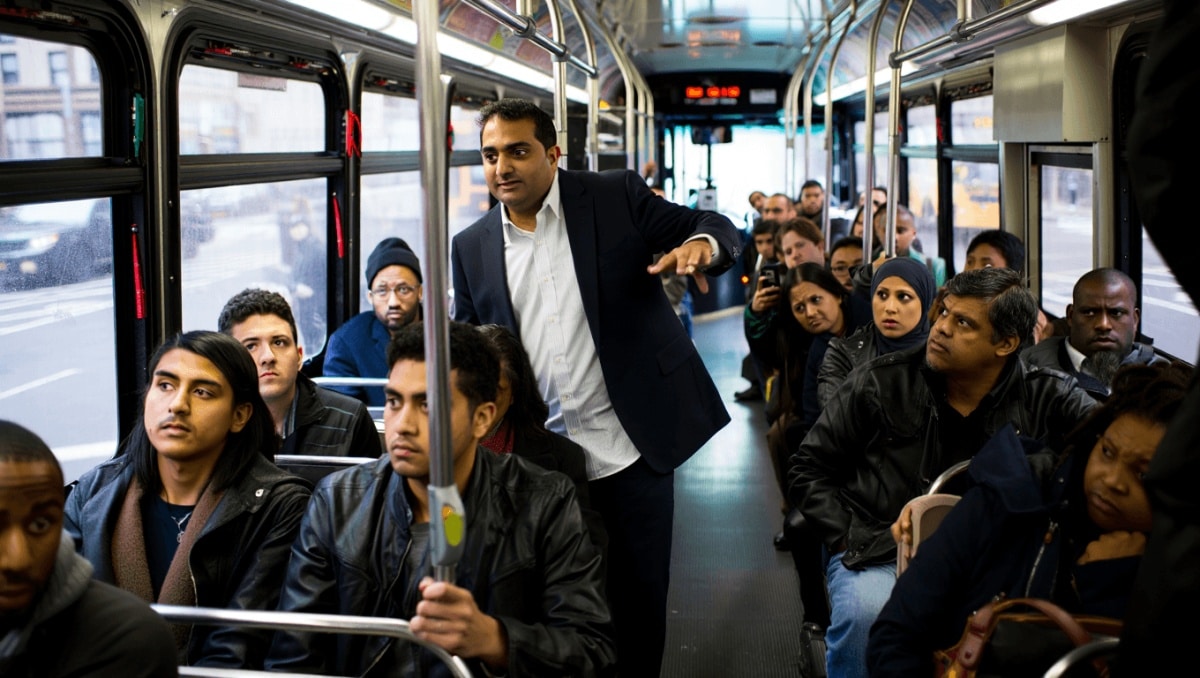
New Yorkers who rely on buses want immediate fixes that make everyday trips faster, safer and more reliable — and they want clear commitments from Councilmember Zohran Mamdani as city leaders set priorities for the year ahead. With ridership recovering from the pandemic and street designs under review, riders are watching for concrete moves that translate policy talk into fewer delays and more comfortable commutes.
What bus riders are asking for now
Across neighborhoods, the same themes come up again and again: buses that arrive on time, lanes that aren’t blocked by parked cars, and stops that feel safe and accessible. For many riders these are not petty complaints but daily barriers to work, school and medical appointments.
Three practical priorities top the list:
- Dedicated bus lanes enforced with cameras and tickets so buses aren’t stuck behind curbside activity.
- Transit signal priority and schedule-centered dispatching to reduce bunching and long waits.
- Accessibility and comfort — level boarding, functioning shelters, and clear real-time arrival information.
Where City Hall can move the needle
Some levers are in municipal hands: how curb space is assigned, whether parking is preserved or repurposed for busways, and the level of enforcement for illegal curbside activity. Other changes require coordination with the regional transit authority on fleet allocation, scheduling and capital projects.
For riders, this division of responsibility matters because it shapes what a councilmember can deliver quickly versus what will take longer. Short-term wins often come from focused street redesigns, stepped-up enforcement and pilot projects that prove value.
Concrete proposals riders want prioritized
- Expand and enforce short, contiguous busways on busy corridors to create immediate travel-time savings.
- Scale up signal priority technology and adjust signals where delays are chronic.
- Invest in shelters, lighting and curb ramps so stops work for seniors and people with disabilities.
- Use data transparency: publish on-time performance and response targets so progress is measurable.
- Protect off-peak service and overnight routes, which are lifelines for shift workers and late-night riders.
These are straightforward, testable interventions. They also carry political trade-offs: converting parking lanes to bus lanes will draw opposition from drivers and local businesses. That is why riders want a plan that spells out timelines, metrics and community input, not vague promises.
Why this matters beyond commute times
Faster, more reliable buses reduce transportation costs for low-income households, lower vehicle miles traveled, and are a key part of the city’s climate strategy. When buses work, people arrive at jobs on time and neighborhoods become more connected. Conversely, unreliable service deepens inequality by limiting access to opportunity.
How Mamdani can show progress
Riders expect three visible signs of commitment: rapid pilots that produce measurable gains, enforcement plans that keep lanes clear, and regular public reporting so constituents can see results. Doing so would make reform feel concrete instead of aspirational.
In practice that could mean sponsoring or pushing for short-term busway pilots on corridor corridors with the highest delays, securing city funding for shelters and signal upgrades, and brokering a joint city–transit authority task force to align schedules and resources.
Balancing urgency and politics
Real change requires building alliances across neighborhoods, transit advocates and small business owners. Clear communication about trade-offs — for example, where and why parking will be reduced — can ease community pushback. Accountability matters: riders want quarterly updates and a set of metrics to judge whether street-level changes are improving daily life.
For New Yorkers who depend on buses, the issue is simple: policies should deliver fewer missed shifts, shorter commutes and safer streets. That clarity of purpose is what constituents will look for when assessing any public official’s transit agenda.
As debates over the city budget and street design continue, bus riders are watching for policies that move beyond rhetoric to measurable improvements. The question for Zohran Mamdani and other city leaders is whether they will prioritize the practical fixes that will be felt in people’s daily lives.