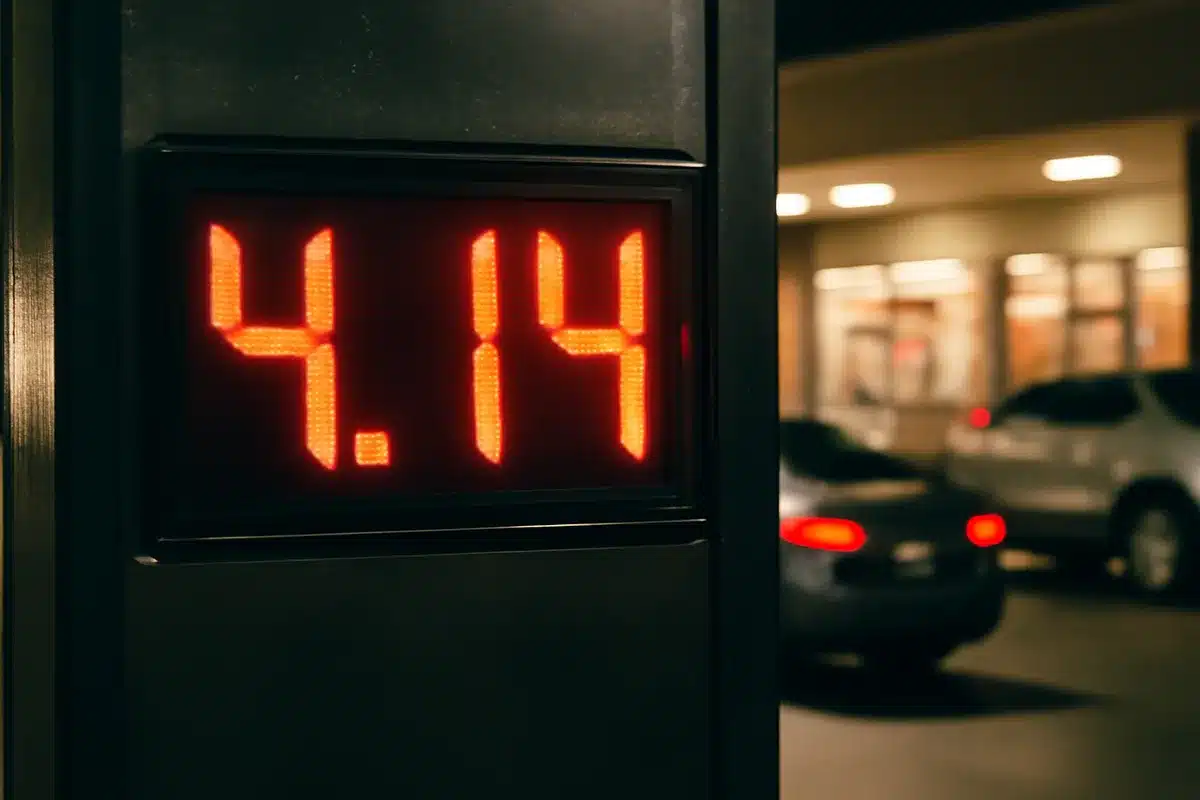
The national average gas price reached a record $4.14 per gallon heading into Labor Day weekend, marking the first time prices have exceeded $4 for the holiday, according to AAA. The previous Labor Day record was $3.82, set on September 3, 2012—more than a decade ago.
The surge reflects a year-over-year increase of 87 cents per gallon compared to Labor Day 2025. Motorists planning to fill up at a gas station near me or anywhere across the country are facing unprecedented costs for the holiday weekend.
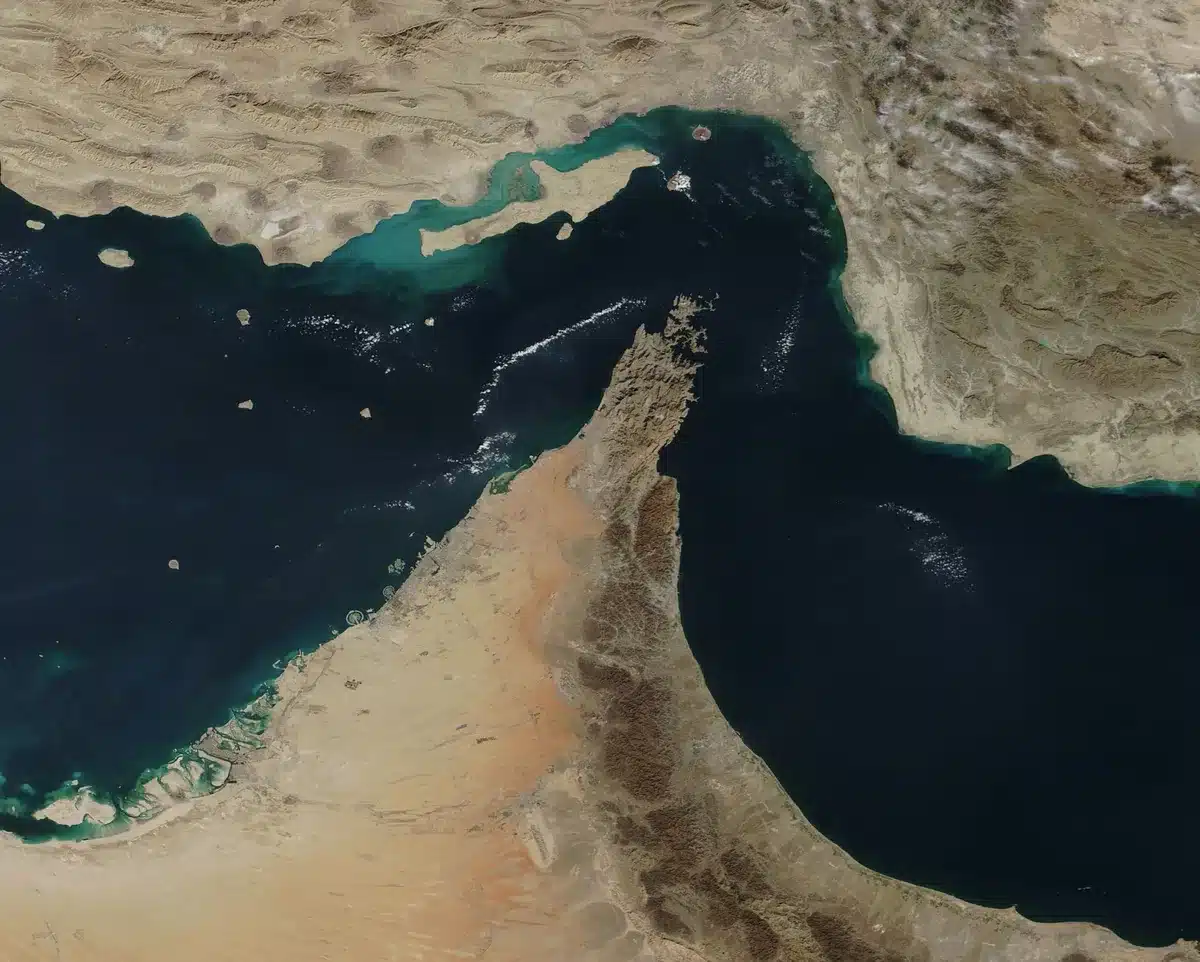
Continued volatility in the Strait of Hormuz has pushed crude oil prices to around $90 per barrel, according to multiple energy analysts. The strait, a critical chokepoint through which roughly 20 percent of global oil supplies flow, has been disrupted by the ongoing Iran conflict that began in March 2026.
The closure of the Strait of Hormuz has created a significant supply shock. According to Bloomberg, the disruption has reduced global oil supply by approximately 11.1 million barrels per day since the conflict began. The International Energy Agency cut its 2026 global oil supply forecast to 102 million barrels per day in August, reflecting the sustained impact of the shipping disruption.
This geopolitical tension has rippled through U.S. energy markets throughout 2026. When the Iran conflict first erupted in March, crude prices spiked sharply, and gasoline prices have remained elevated as shipping disruptions persist. The energy shock has been compounded by summer driving season demand and the approaching Labor Day holiday, traditionally one of the year’s heaviest travel periods.

Consumer behavior has shifted in response to the higher costs. A May 2026 survey found that 44 percent of adults have cut back on driving, while 34 percent have adjusted their travel or vacation plans. About one in five travelers said they are cutting accommodation and food budgets to offset fuel costs, according to Bank of America data from that period.
Despite the record prices, AAA reported that a record 39.1 million people are expected to travel by car over the Labor Day weekend. Many Americans are adapting rather than canceling their plans, finding ways to manage the higher transportation costs while still taking the holiday trip.
The price spike extends beyond gasoline. Airline fares have climbed 20.7 percent year-over-year according to May 2026 data, and a LendingTree survey found that 75 percent of Americans say gas prices and airfare have changed their summer travel plans. The combined effect of elevated fuel and transportation costs is reshaping how Americans approach holiday weekends.
A previous record was set in August at $4.10 per gallon, underscoring the volatility of energy markets in 2026. As the Strait of Hormuz remains closed and geopolitical tensions persist, analysts warn that prices could remain elevated in the near term.
Sources
- AAA — Confirmed the $4.14 national average gas price for Labor Day 2026 and the previous record of $3.82 on September 3, 2012; reported continued Strait of Hormuz volatility pushing crude oil prices to around $90 per barrel.
- Bloomberg — Documented the Strait of Hormuz closure and its impact on global oil supply, estimating a 11.1 million barrel-per-day supply shortfall.
- International Energy Agency — Cut 2026 global oil supply forecast to 102 million barrels per day in August, reflecting sustained Hormuz disruption impact.
- U.S. Bureau of Labor Statistics — Reported 28.4 percent year-over-year increase in gasoline prices and 20.7 percent increase in airline fares as of May 2026.
- Bank of America — Survey data showing one in five travelers cutting accommodation and food budgets to offset fuel costs.
- LendingTree — Survey finding that 75 percent of Americans say gas and airfare have changed their summer travel plans.
- Fortune/Survey Data — Found 44 percent of adults cutting back on driving and 34 percent adjusting travel plans due to fuel costs.