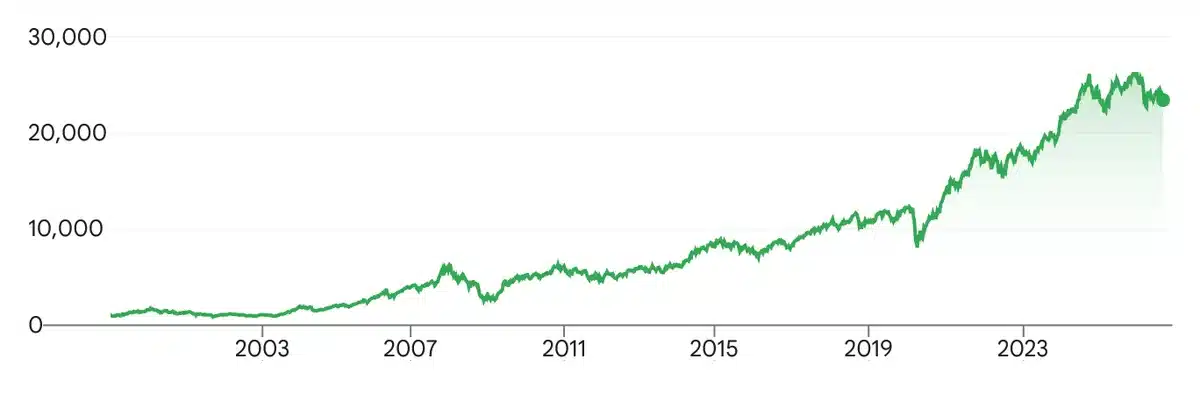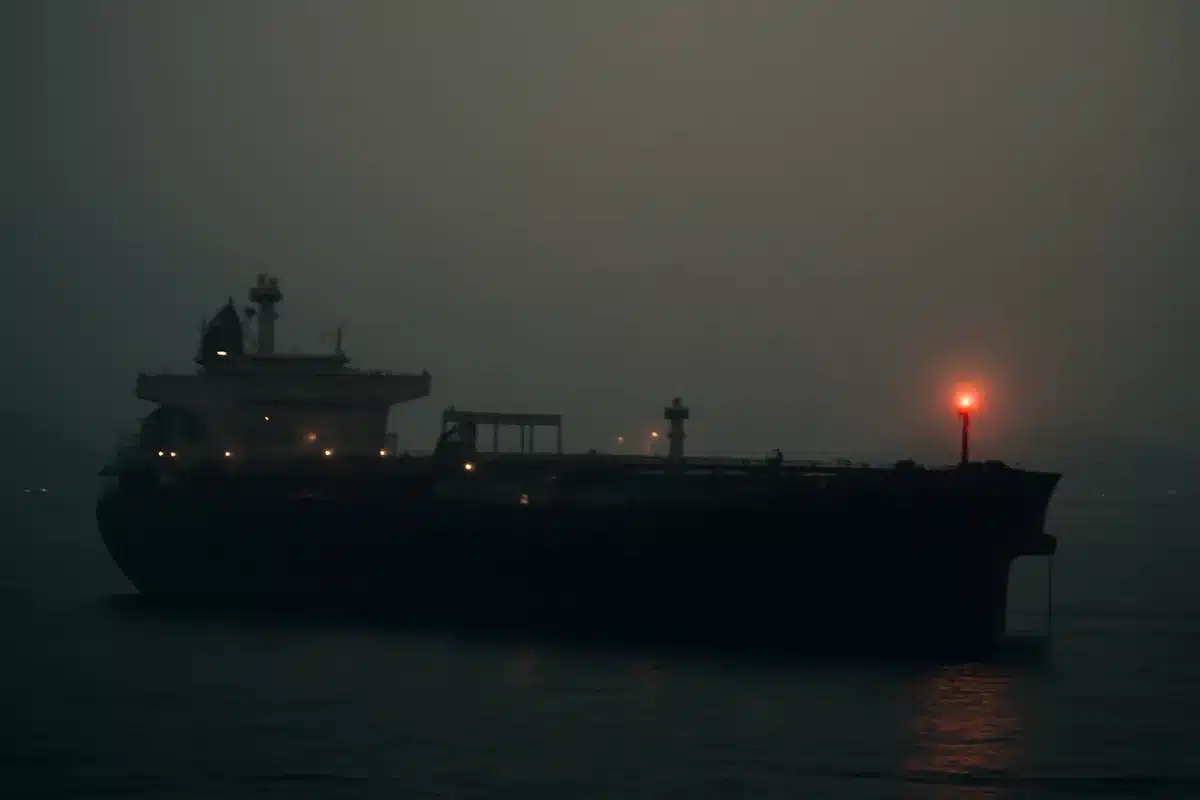
Oil prices rose to $90.55 a barrel on August 28, 2026, as persistent geopolitical tensions in the Middle East keep global energy markets on edge. The price surge reflects deepening concerns over supply disruptions tied to ongoing U.S.-Iran conflict and the effective closure of the Strait of Hormuz, a critical shipping chokepoint through which more than 20 percent of the world’s oil trade passes.
The Strait of Hormuz disruption represents the most significant oil supply interruption in a generation. According to the International Energy Agency, the cumulative oil supply losses from Middle Eastern producers now exceed 1.3 billion barrels, with flows through the strait effectively halted since early May 2026. The closure stems from escalating hostilities between the U.S. and Iran, which have expanded attacks across the region throughout 2026.
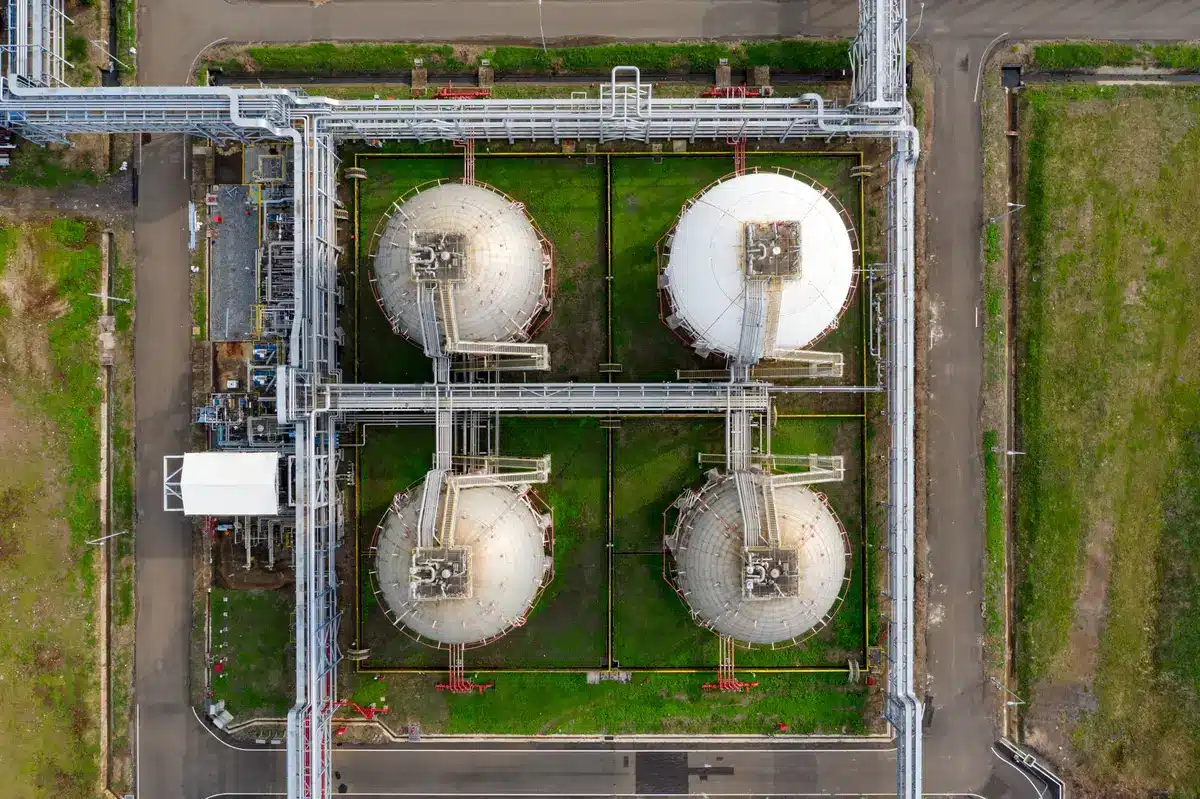
Oil markets are increasingly treating Middle East supply disruptions as a new baseline rather than a temporary shock. As Reuters noted on August 18, 2026, “The oil market is increasingly behaving as though disruptions to Middle East energy supplies are not a temporary shock but a new reality.” This shift in market psychology has kept prices elevated despite weak global demand, which the International Energy Agency forecasts will decline by 1.6 million barrels per day in 2026.
The current price environment reflects what traders call a “geopolitical risk premium”—a markup applied when supply uncertainty dominates market calculations. When comparable geopolitical crises have disrupted oil supply in the past, prices have remained elevated for extended periods. During the 1990-1991 Gulf War and the 2011 Libyan civil war, oil markets remained volatile for months after initial shocks, according to research from the Center for Economic and Policy Research.
Major energy forecasters expect oil to remain in the $85-to-$90 range through the third quarter of 2026. Goldman Sachs expects Brent crude to trade between $80 and $90 per barrel until either a new U.S.-Iran agreement emerges or supply conditions stabilize. J.P. Morgan Global Research forecasts Brent at $86 per barrel for Q3 2026, declining to $80 in Q4 and $78 by year-end, assuming some resolution of tensions. The U.S. Energy Information Administration projects an average of $85 for the third quarter, with prices beginning to fall only when geopolitical conditions improve.
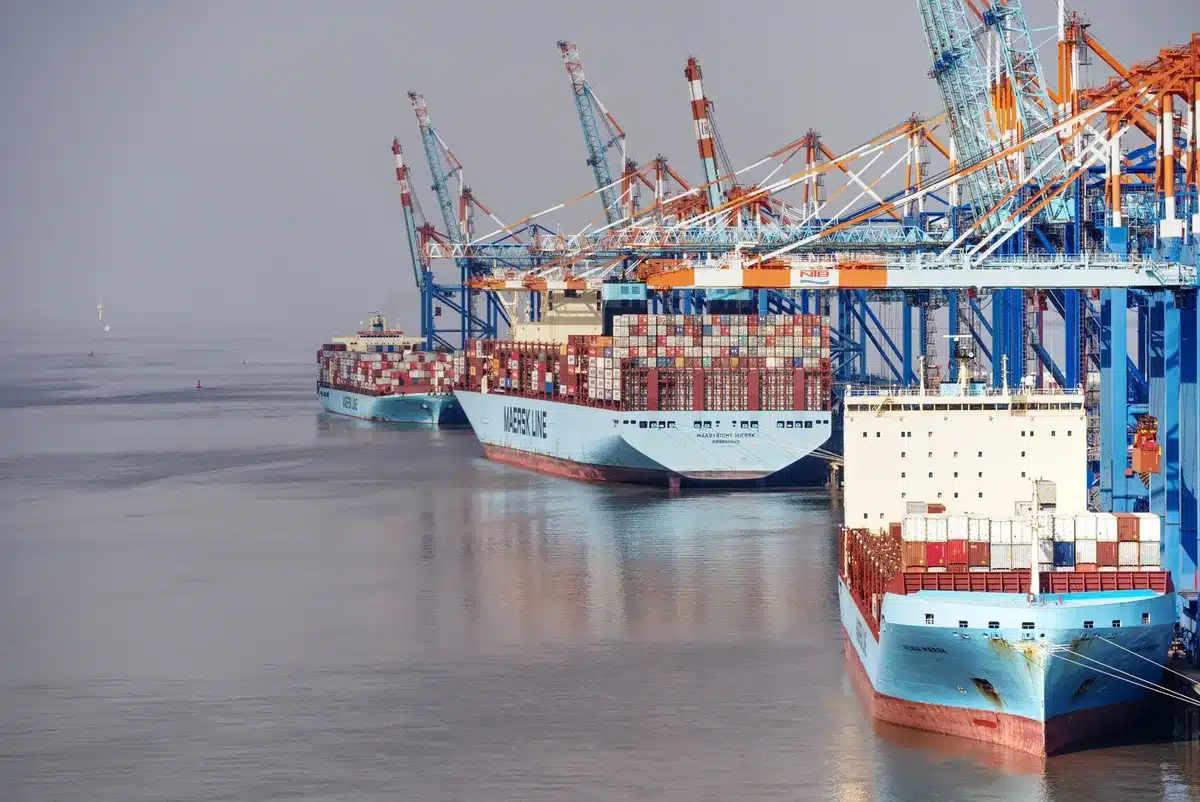
The Strait of Hormuz crisis has exposed vulnerabilities in global energy supply chains. Before the 2026 conflict, roughly one-fifth of global crude oil and 20 percent of liquefied natural gas passed through the waterway each day. The effective closure has forced markets to adjust, with tankers rerouting through longer, more expensive paths around Oman. This rerouting adds both time and cost to global energy delivery, further pressuring prices.
Energy analysts warn that even a partial reopening of the Strait would not immediately resolve price pressures. The supply deficit the International Energy Agency identified in August—1.8 million barrels per day in Q3 2026—reflects structural damage to regional production capacity from the ongoing conflict. Repairs to damaged infrastructure and a cessation of hostilities would be necessary preconditions for a sustained price decline, according to multiple forecasters.
Sources
- The Guardian — Oil prices rising above $90 a barrel after U.S.-Iran tensions escalate
- Reuters — Oil market treating Middle East disruptions as prolonged crisis, not temporary shock
- International Energy Agency — Strait of Hormuz closure, cumulative supply losses, Q3 2026 forecast
- Brookings Institution — Strait of Hormuz as critical chokepoint and its role in the 2026 crisis
- Goldman Sachs — Oil price range forecast of $80–$90 pending U.S.-Iran resolution
- J.P. Morgan Global Research — Brent crude forecasts for Q3–Q4 2026
- U.S. Energy Information Administration — Short-term energy outlook and Q3 2026 price forecast
- Center for Economic and Policy Research — Historical geopolitical oil price shocks and duration