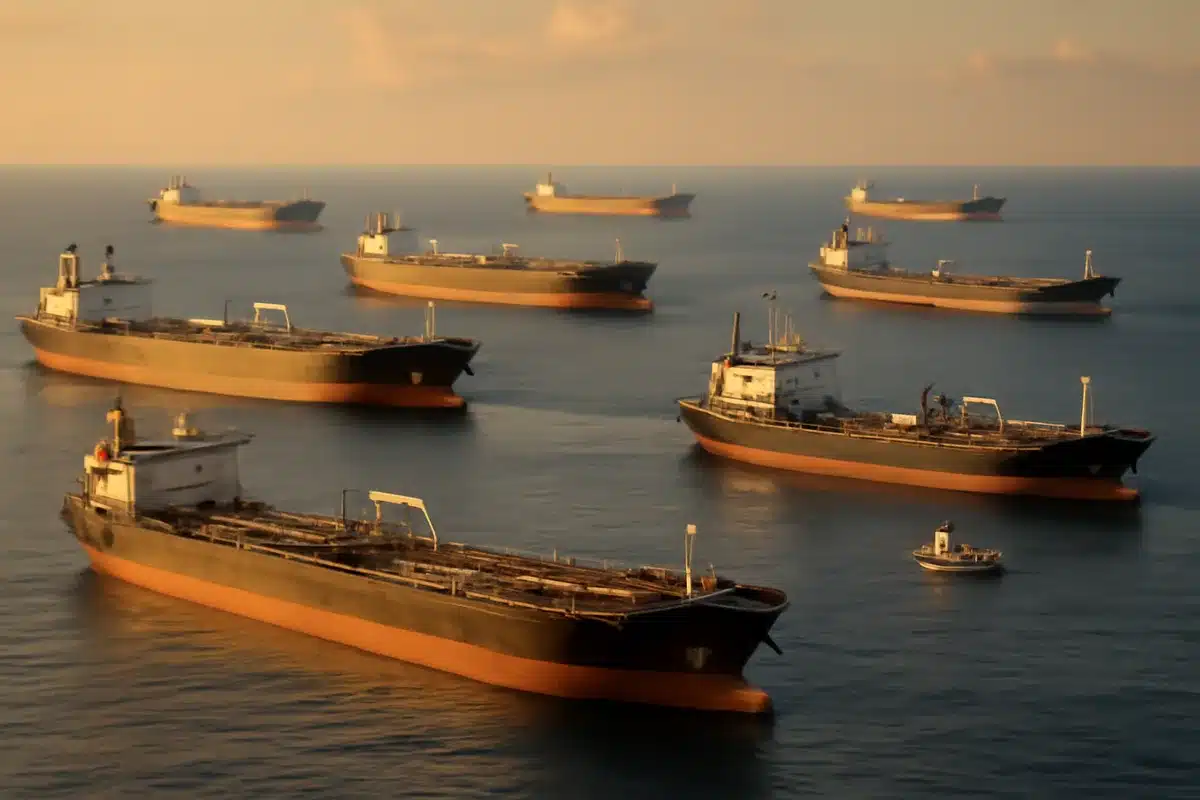
Oil tankers are abandoning the Strait of Hormuz in unprecedented numbers, shifting to routes off Oman’s coast as Iran loses its grip on one of the world’s most critical shipping chokepoints. Around 150 tankers now float anchored in open Gulf of Oman waters, compared with roughly 40 in January 2026, according to satellite data cited by Bloomberg.
The shift reflects a fundamental change in how global energy flows through the Middle East. Gulf states have established a covert network transporting crude overland, then loading it onto vessels in the Gulf of Oman to avoid Iranian control of the Strait entirely. The volumes moving through this network exceed market estimates of 4 million barrels a day, according to Bloomberg sources, though exact figures remain difficult to track because vessels are turning off digital transponders to mask their locations.
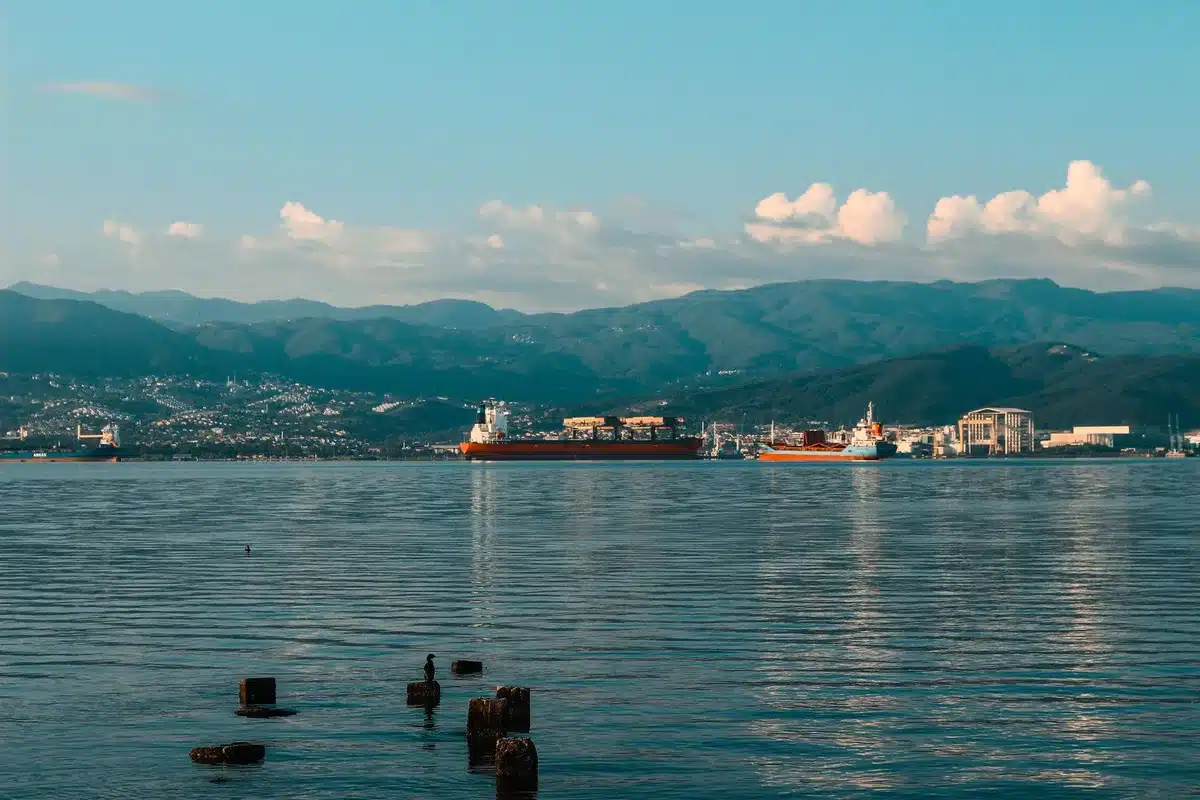
Iran and Oman have been negotiating a new shipping arrangement since early August, with Iranian and Omani negotiators finalizing a draft deal to reopen the Strait on August 5, according to AP News and The Guardian. Under the proposal, Iran would control transit lanes on its side of the strait, while Oman would manage lanes running along its coast. However, shipping industry sources told Reuters on August 6 that the proposed deal is not feasible because it would give Iran control over inbound traffic—a major concession that most commercial operators reject.
The actual shipping picture tells a different story. Only 52 non-Iranian linked vessels transited the Strait in the week of July 27 to August 2, according to analysts cited by The Guardian on August 9. That collapse in traffic has forced Gulf producers to accelerate long-planned alternatives. At least seven major pipeline projects are now under construction or in planning stages, designed to route crude through the Red Sea, the Suez Canal, and the Gulf of Oman, according to Euronews reporting from July 23.
Saudi Arabia’s East-West Pipeline, built during the 1980s Iran-Iraq War, carries crude from the Abqaiq complex to Yanbu on the Red Sea. The UAE has been channeling more oil to Fujairah, its port on the Gulf of Oman about 90 miles south of the Strait. Abu Dhabi’s state oil company is racing to finish a $3 billion, 186-mile pipeline to Fujairah, designed to lift deliveries by over 1.2 million barrels a day and roughly half complete, according to Kpler data cited by Euronews.
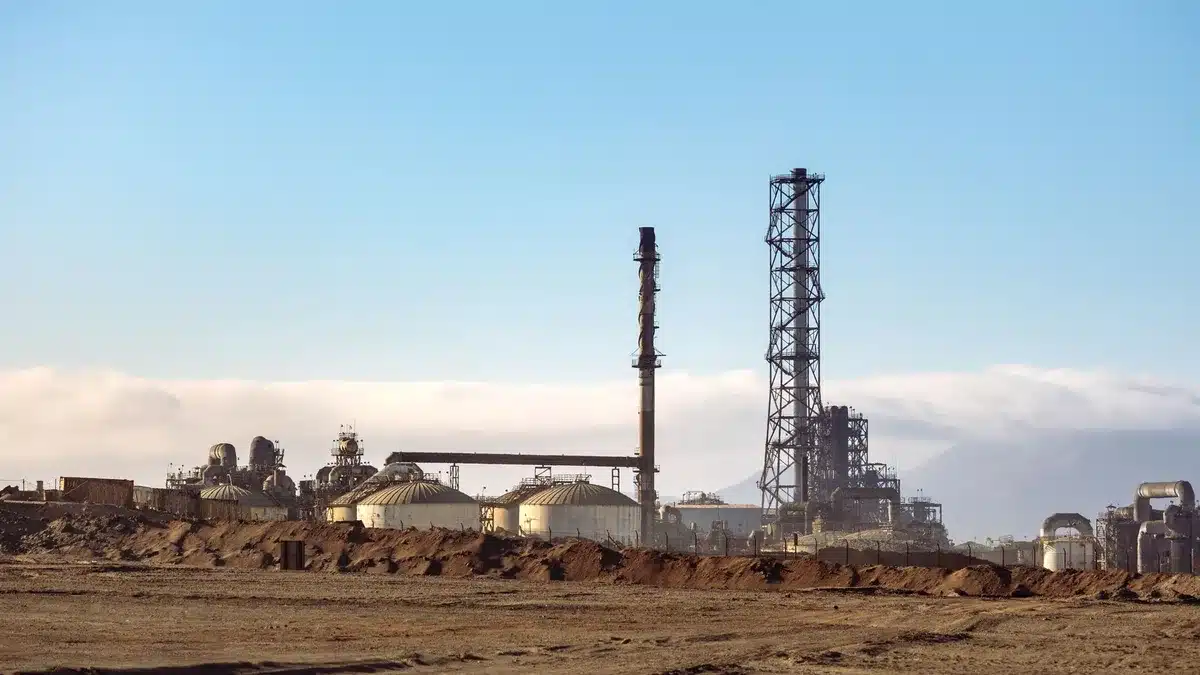
Iraq, which draws roughly 90% of state revenues from oil exports, is pursuing the most ambitious project. Prime Minister Ali al-Zaidi returned from Washington in late July with over $60 billion in agreements with American firms, including a centerpiece deal with Syria to rebuild the long-dormant pipeline from the Kirkuk fields to the Mediterranean port of Baniyas. The U.S. State Department called it “a critical energy corridor” with an initial capacity of 2 million barrels a day, according to Euronews. Washington’s ambassador to Turkey, Tom Barrack, predicted the agreements would render the Strait of Hormuz “an afterthought.”
The shift to alternative routes marks a decisive break from decades of dependence on the Strait. Before the war, roughly 15 million barrels of Gulf oil passed through the chokepoint daily, representing about a fifth of the world’s traded oil. The closure has driven Brent crude to $100 a barrel for the first time since May, according to Euronews reporting from July 23. Yet the covert network and pipeline acceleration suggest that even if Iran and Oman reach a shipping agreement, major producers may no longer rely on Tehran’s control of the waterway.
Sources
- The New Voice of Ukraine — Tanker anchoring data off Oman coast and covert oil network details, citing Bloomberg and Sentinel-1 satellite data, August 17, 2026
- Euronews — Pipeline projects, Saudi East-West Pipeline capacity, UAE Fujairah expansion, Abu Dhabi $3 billion pipeline, Iraq-Syria Baniyas deal, oil prices, July 23, 2026
- The Guardian — Shipping transit figures (52 vessels in week of July 27–August 2), August 9, 2026
- AP News — Iran-Oman negotiations finalized draft deal, August 5, 2026
- Reuters — Proposed Hormuz deal not feasible for shipping industry, August 6, 2026