Iran and Oman have moved their negotiations on the Strait of Hormuz shipping route into final drafting stages, with Iran’s deputy foreign minister saying an agreement on geographical coordinates for the waterway is “on the verge of being finalised.” The two countries have agreed on the specific route that commercial vessels would use to transit the critical energy chokepoint, marking the closest the negotiations have come to a formal deal after weeks of talks.
Iran’s Foreign Ministry spokesman Esmaeil Baqaei said the agreement was “in the final stages,” with only a joint final statement remaining before completion. Iran’s Deputy Foreign Minister Kazem Gharibabadi told state news agency Irna that the proposed temporary route would remain open for two to four months, providing a window for broader peace talks between the US and Iran. The route would give Iran control over ships entering the Persian Gulf through the Strait of Hormuz, while Oman would oversee exit passages, according to reports from Reuters.
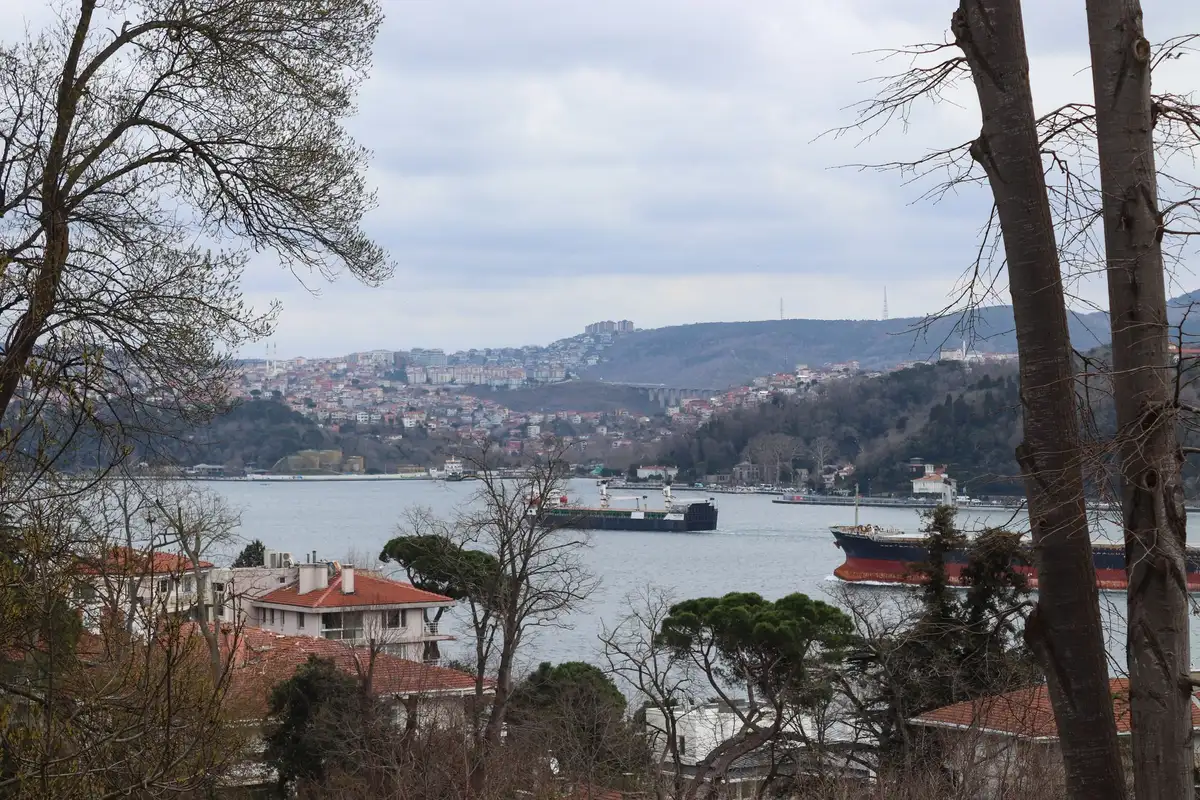
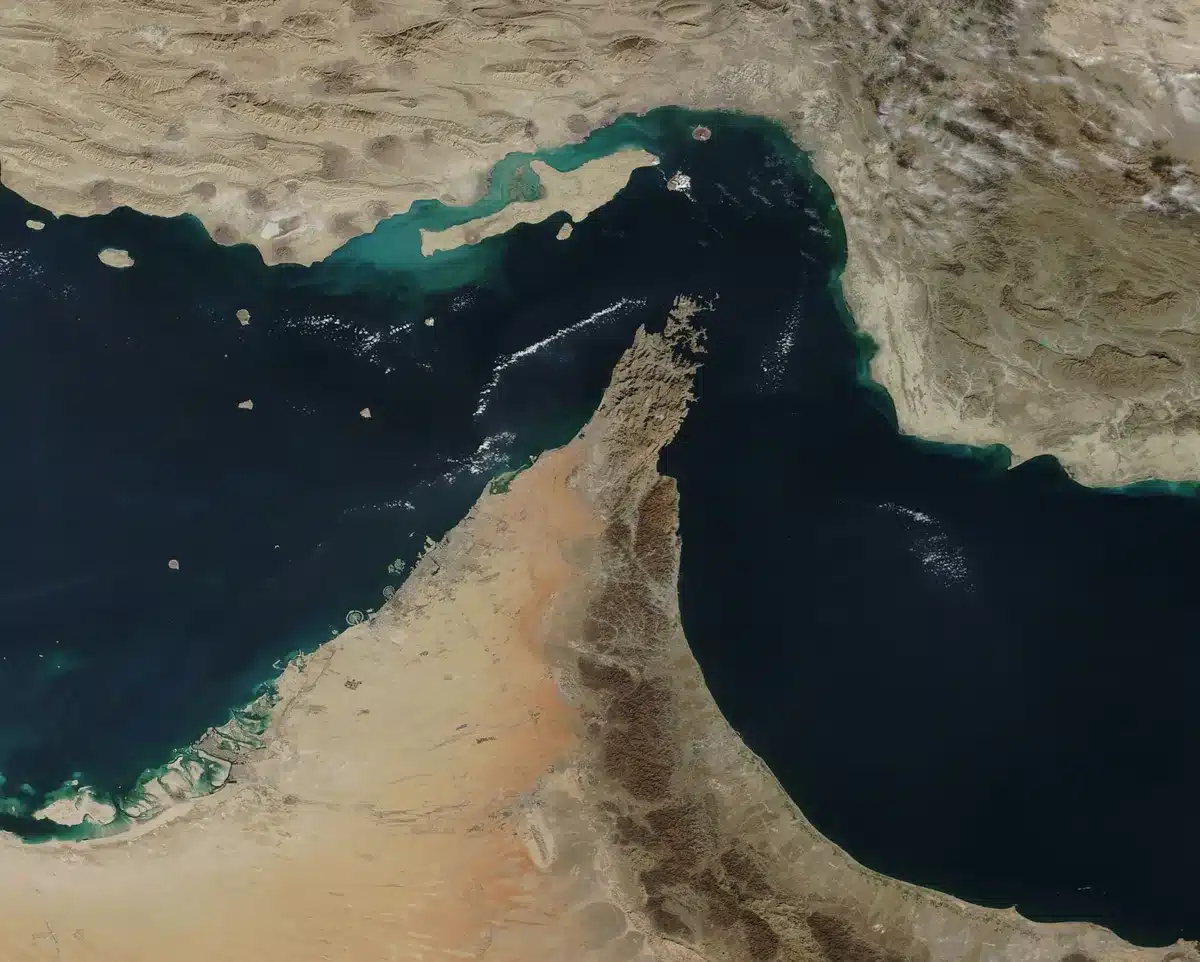
The Strait of Hormuz represents the world’s most critical energy chokepoint, with roughly 20 percent of global oil and liquefied natural gas passing through this 22-mile-wide passage between Iran and Oman. Since the US and Israel launched strikes on Iran in late February 2026, Tehran has largely blocked the strait, reducing traffic to about 5 percent of pre-war levels and triggering widespread energy market disruptions. Reopening the waterway has become central to any broader ceasefire agreement between Washington and Tehran.
Disagreement over transit fees remains a sticking point in the negotiations. Iran is seeking fees of between 5 and 7 percent of cargo prices from ships using the route, according to a senior Iranian official cited by Reuters. Oman has proposed fees around 3 percent, while the United States insists on no fees at all. Baqaei warned that even an agreement with Oman would not guarantee safe navigation, arguing that the US naval blockade of Iranian ports continues to create security risks in the strait.
Oman has long served as a trusted mediator between Iran and the US, leveraging its neutral regional stance and historical relationships with both powers. The sultanate’s role as a facilitator rather than an advocate has made it credible to all sides in negotiations, according to regional analysts. This diplomatic positioning allowed Oman to propose a framework for shared responsibility over maritime traffic management when direct US-Iran talks broke down earlier this year.
The temporary route deal, if finalized, would be the second attempt to reopen the strait since June, when the US and Iran signed a Memorandum of Understanding aimed at stopping fighting and reopening shipping within 60 days. That agreement collapsed within days as tit-for-tat military strikes resumed. A new temporary arrangement would buy time for a more comprehensive settlement, though US officials have stressed that any permanent reopening would require broader commitments from both sides on nuclear issues and regional security.
Sources
- BBC — Iran’s agreement with Oman on route coordinates, final stages status, fee disputes, and temporary duration of 2-4 months
- Al Jazeera — Iran-Oman deal details, Gharibabadi’s statements on finalization timeline, and broader context on US-Iran tensions
- Reuters — Fee proposals from Iran (5-7%), Oman (3%), US position on no fees, and Iran’s control over entry routes
- EIA and multiple sources — Strait of Hormuz carrying 20% of global oil and LNG, and pre-war traffic levels
- CNN and multiple sources — Post-February 2026 traffic reduction to 5% of pre-war average
- NPR and regional analysis sources — Oman’s historical role as neutral mediator in US-Iran negotiations