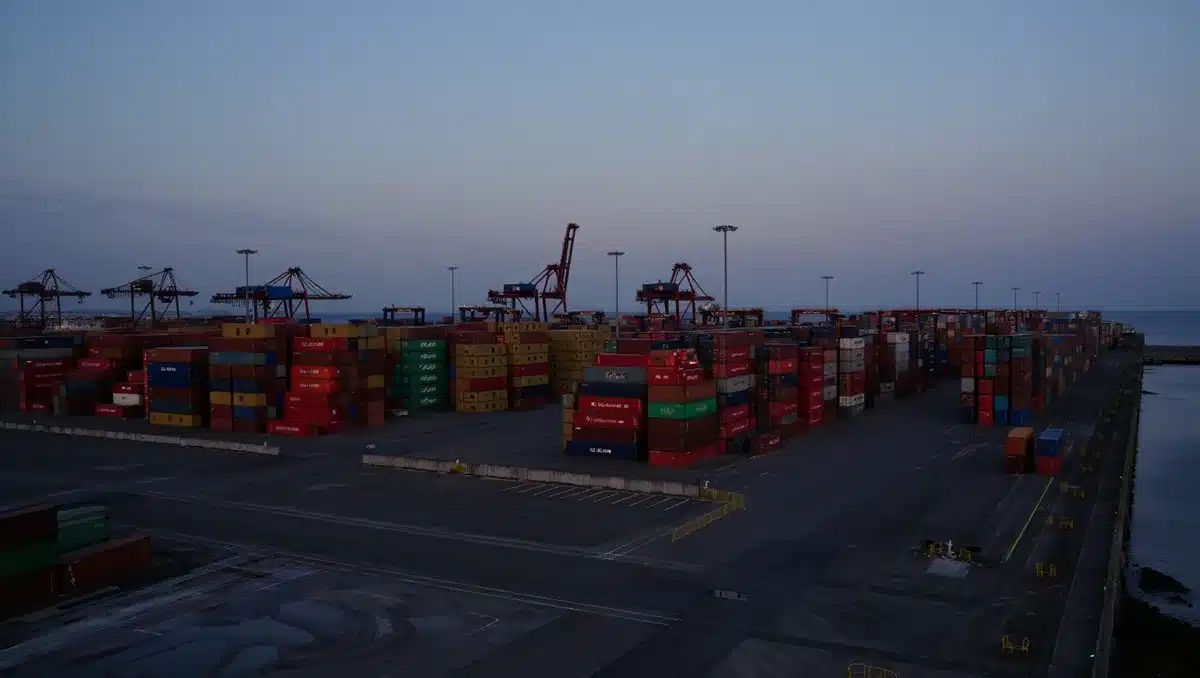
The United States and Iran are edging closer to a deal that could reopen the Strait of Hormuz, a critical shipping corridor through which roughly 20% of the world’s oil and liquefied natural gas supplies normally flow. President Trump signaled Tuesday that an agreement could be announced within days, telling reporters negotiations were “moving along very nicely” and that the waterway would reopen “very soon” or Iran would face military consequences.
Iran and Oman said Wednesday they had agreed on the geographic coordinates for new shipping routes through the strait, marking the clearest progress in weeks of intensive negotiations. Iranian Foreign Ministry spokesman Esmaeil Baghaei described the talks as “positive” and still ongoing, though he said differences remained over how shipping operations would function once the waterway reopens.
Oman has served as the primary mediator between Washington and Tehran, with officials from both sides conducting indirect talks through Omani intermediaries. The negotiations center on two core disputes: who will control the strait and whether Iran can charge fees for vessels passing through its waters. The US has publicly rejected any arrangement allowing Iran to impose tolls, with Trump stating bluntly, “I’m not going to let them charge.”
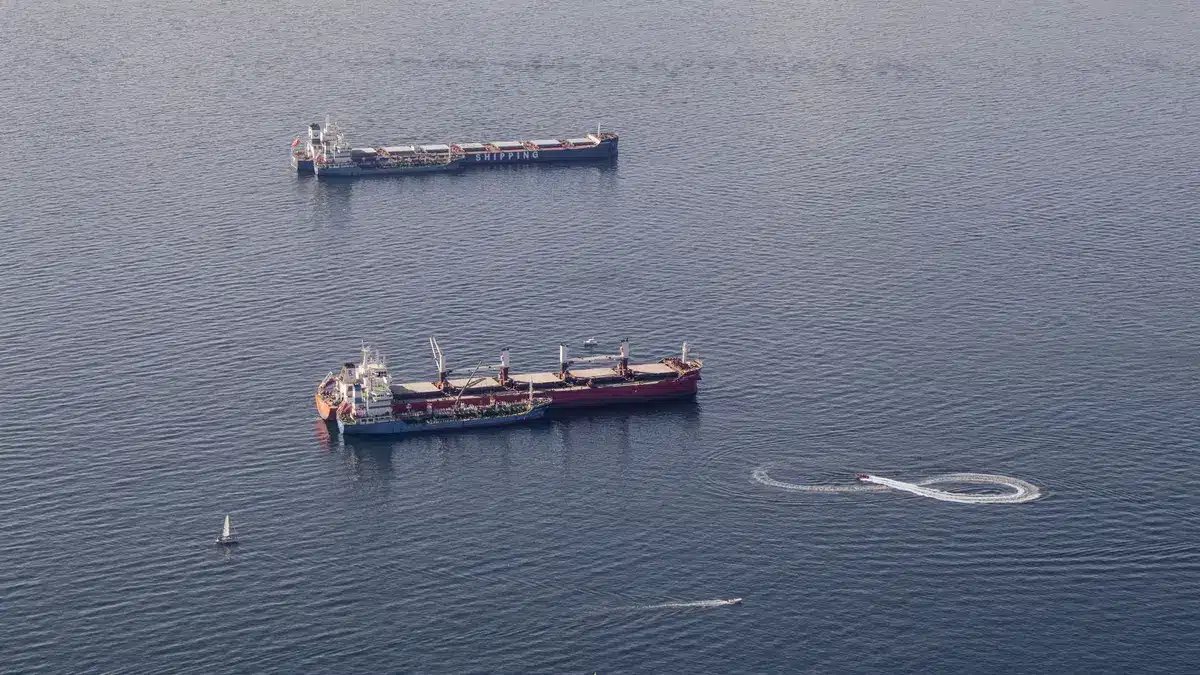
The economic stakes are enormous. Before the conflict erupted on February 28, roughly 130 ships per day transited the strait. According to recent reports, only 8 vessels passed through on a single Monday in early August, leaving global shipping severely disrupted. The closure has already contributed to higher oil prices and concerns among analysts that prolonged disruption could push energy costs to unprecedented levels, threatening the global economy.
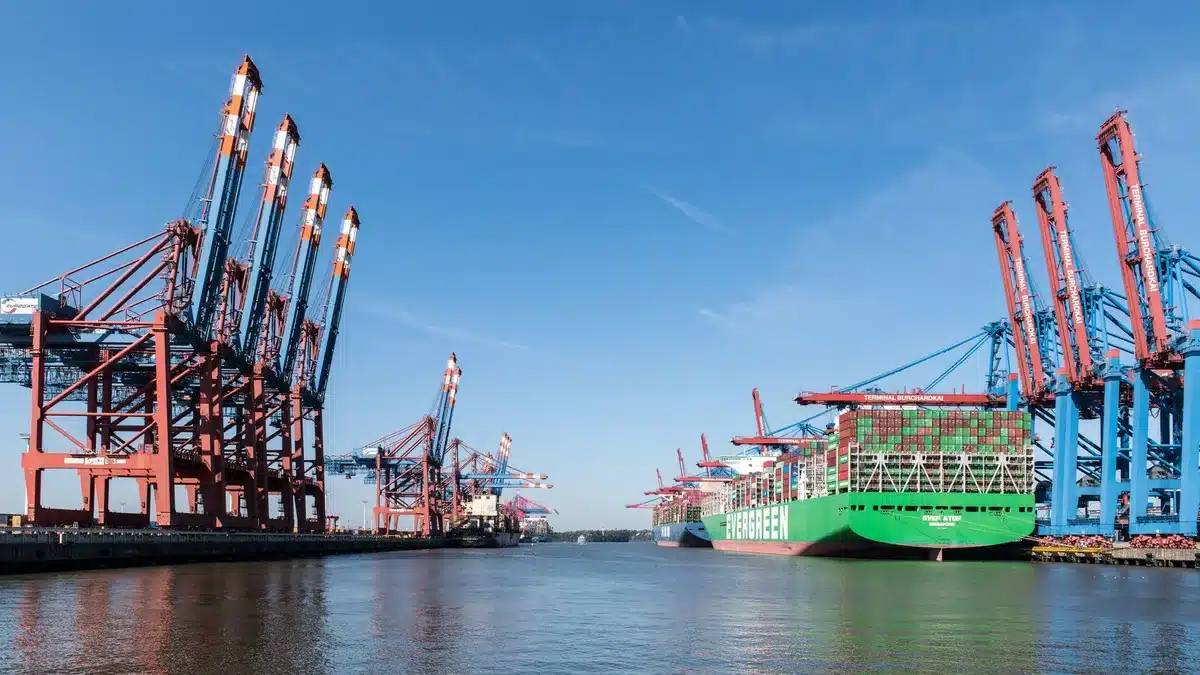
The proposed framework under discussion includes a temporary 60-day reopening during which no transit fees would be charged, according to reporting by multiple outlets. Ships entering the Persian Gulf would use a northern route through Iranian waters, while departing vessels would travel through a southern lane in Omani waters coordinated with Iran. After the initial period, negotiators would need to reach a longer-term agreement on how the waterway operates.
The dispute stems from competing visions of the strait’s future. Iran has insisted it must retain some control over shipping in waters along its coast, arguing this reflects its rights as a coastal state. The US has historically opposed any arrangement granting Iran veto power over commercial passage, viewing such control as a threat to global freedom of navigation. According to retrieved reporting, the Trump administration faces growing pressure to accept a compromise: concerns over dwindling US defensive munitions and the political risk of high gas prices ahead of November midterm elections are pushing Washington toward a deal.
A comparable precedent exists in the Strait of Malacca, which connects the Indian and Pacific Oceans. There, Indonesia, Malaysia and Singapore ask ships to voluntarily help fund navigation, environmental protection and search-and-rescue operations—a model some negotiators have referenced as a potential template for Hormuz. When that system was formalized, shipping resumed without the kind of toll disputes now threatening negotiations.
Even if Iran and the US reach an agreement, implementation challenges remain. International shipping companies may need to coordinate with Iranian authorities, but US sanctions could prevent many firms from doing so unless Washington grants explicit exemptions. This asymmetry gives Iran leverage: vessel owners may refuse to use any Iranian-controlled lane without Trump administration authorization, effectively putting the burden back on Washington to endorse the deal publicly.
A Strait of Hormuz agreement would not resolve the broader US-Iran conflict. Negotiators would still need to revive a June memorandum of understanding between the two countries and eventually return to talks on Iran’s nuclear program. Regional tensions also remain, including the Israel-Hezbollah conflict in Lebanon and ongoing attacks on shipping in the Red Sea by Iran-backed Houthis in Yemen. Still, reopening the strait would represent a significant step toward de-escalation and economic relief for nations dependent on Middle Eastern oil.
Sources
- Al Jazeera — detailed breakdown of negotiations, what each party wants, proposed frameworks, and expert analysis on the deal’s prospects
- AP News — Trump’s statements on deal timeline and Iran-Oman progress on shipping coordinates
- The Washington Post — reporting on Iran and Oman finalizing draft agreement and awaiting Supreme Leader approval
- Reuters — Iranian negotiating positions on shipping fees and maritime service charges
- BBC News — background on Strait of Hormuz as global oil and LNG chokepoint handling approximately 20% of world supplies
- CNBC — shipping traffic data showing decline from 130 vessels per day to 8 during disruption