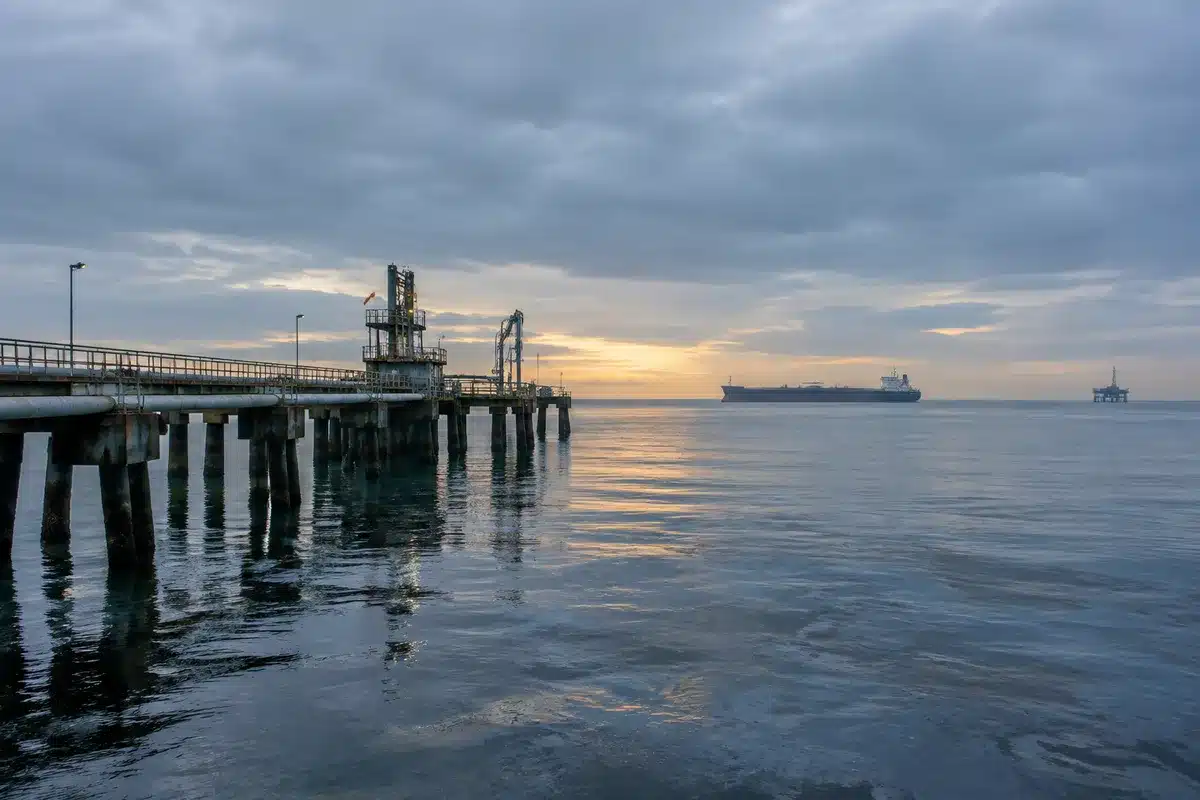
The United Arab Emirates is accelerating construction of a second oil pipeline to bypass the Strait of Hormuz, targeting operational status by 2027 as Gulf states rush to reduce dependence on the critical waterway amid Iran’s ongoing blockade. The West-East Pipeline project, which was about 50% complete as of May 2026, will double the UAE’s bypass capacity from 1.8 million barrels per day to roughly 3.6 million bpd when finished, according to ADNOC, the state oil giant.
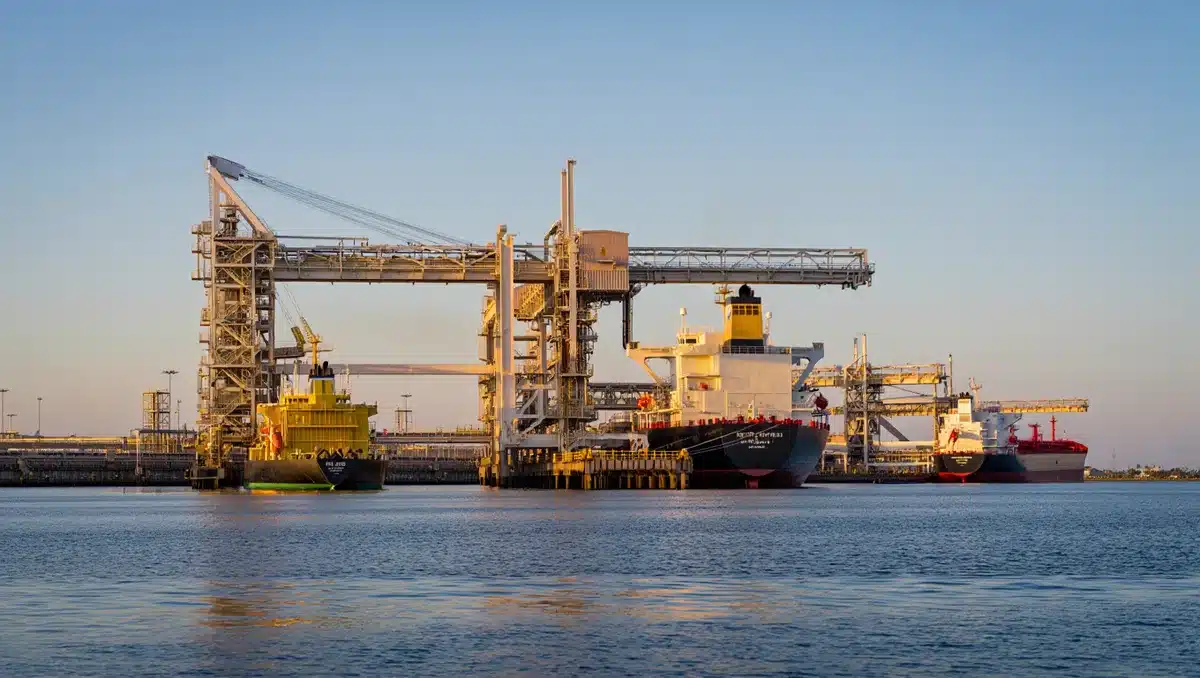
Crown Prince Sheikh Khaled bin Mohamed bin Zayed directed ADNOC to fast-track the $3 billion, 300-kilometer project last spring in response to the disruption that began when the U.S. and Israel launched strikes on Iran in February 2026. The new pipeline will transport crude from Abu Dhabi’s western oil fields to the port of Fujairah on the Gulf of Oman, bypassing the Strait entirely. ADNOC CEO Sultan Al Jaber said in May that the pipeline is “accelerating its delivery toward 2027,” though analysts at Kpler note a mid-2027 startup is more realistic once Fujairah port itself is expanded to handle the increased throughput.
The UAE’s existing Habshan-Fujairah pipeline, known as ADCOP, has proved crucial during the blockade, allowing the country to maintain oil exports while Hormuz remains largely closed to international shipping. The new parallel line reflects a broader regional shift: the Strait of Hormuz, through which 20% of global oil flowed before the war, is no longer viewed as a reliable export route by Gulf producers.
Saudi Arabia, which operates the East-West Pipeline carrying crude 750 miles from its eastern Abqaiq field to the Red Sea port of Yanbu, is considering expanding that corridor by 1 to 2 million bpd. However, the bottleneck lies not in the pipeline itself but at Yanbu’s export terminals, which can sustain only about 4.5 to 5 million bpd. Any meaningful expansion would require debottlenecking the loading infrastructure first—a project Kpler analysts expect to materialize from 2028 onward.
A Regional Pipeline Boom Takes Shape
The UAE and Saudi initiatives are part of a broader infrastructure surge. Goldman Sachs analysts identified seven pipeline projects across the Middle East in various stages of planning or construction, with combined capacity potentially reaching more than 14 million bpd by the end of 2028—more than 60% of the seven Gulf states’ pre-war export volume of 23 million bpd, according to CNBC.
Iraq, OPEC’s second-largest producer, has been hit particularly hard by the Hormuz blockade, with production falling more than 50% in June to 1.9 million bpd compared to 4.2 million before the war. The U.S. is supporting Iraq’s effort to rehabilitate a decades-old crude pipeline from its northern Kirkuk field through Syria to the Mediterranean, a project that could begin construction as early as 2027 if feasibility studies are completed by year-end, though full construction would take another 3 to 5 years.
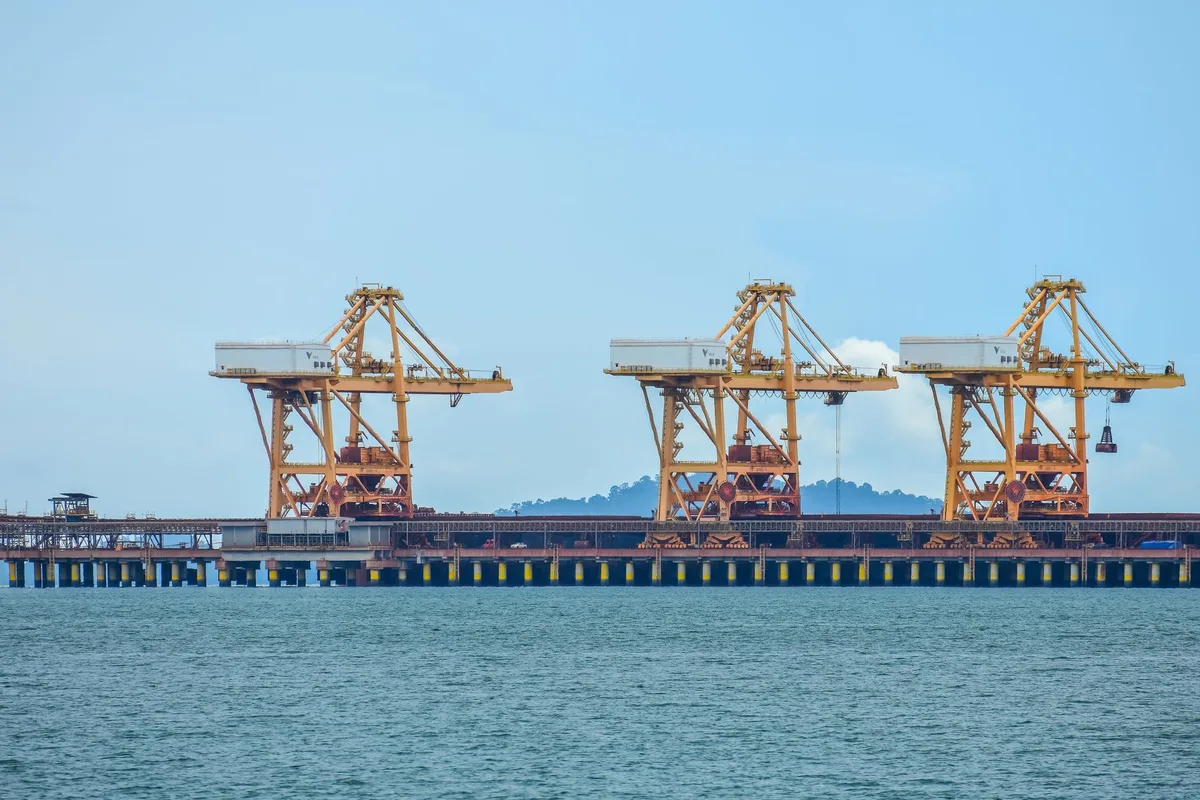
Rystad Energy’s Artem Abramov told Middle East Eye that the region’s commitment to these projects is genuine. “When we speak to our customers in the region, they say they never want to deal with this again. These bypass projects will move forward,” he said. Ben Cahill, a senior fellow at the Atlantic Council, estimated that collectively the pipeline and port projects could total tens of billions of dollars, backed by sovereign wealth funds and infrastructure investors.
Yet the new pipelines carry their own vulnerabilities. Iran struck a pumping station on Saudi’s East-West Pipeline in April, slashing throughput by 700,000 bpd in a single attack. Greg Priddy, an energy expert at the Center for the National Interest, warned that “the caveat to all these bypasses is that they are still vulnerable to Iranian missiles and drones.” Houthis, aligned with Iran, have declared a blockade on Saudi Arabian shipping in the Red Sea this month, with at least eight tankers reversing course rather than risk transit through the Bab el-Mandeb Strait.
The infrastructure race reflects a recognition among Gulf states that reliance on a single waterway is no longer tenable. The UAE’s exit from OPEC in May—freeing it from production quotas—underscores how the pipeline acceleration enables producers to pursue output growth even if the Strait remains disrupted beyond the current conflict.
Sources
- Reuters — ADNOC CEO statement that the West-East Pipeline is 50% complete and targeting 2027 operational status; Al Jaber’s remarks on the UAE’s investment strategy and global energy needs.
- The Guardian — UAE announcement of the second pipeline project, Crown Prince’s directive to fast-track, expected doubling of export capacity to 3.6 million bpd, and context on the UAE’s OPEC exit.
- Kpler — Technical analysis of UAE and Saudi pipeline projects, timeline expectations (mid-2027 for UAE, 2028+ for Saudi expansion), Yanbu port bottleneck details, and Iraq’s Mediterranean corridor options.
- Middle East Eye — Regional context on the pipeline boom, expert commentary from Rystad Energy and Eurasia Group on producer motivations and regional winners/losers, Iran’s vulnerability concerns, and Houthi blockade details.
- CNBC — Goldman Sachs analysis of seven pipeline projects and their combined capacity targets; expert commentary on pipeline vulnerability to Iranian attacks and asymmetric threats.