National security tensions between the United States and Iran remain deadlocked over control of the Strait of Hormuz, with both sides issuing escalating demands that dim prospects for a deal to reopen the critical waterway. Iran’s Supreme National Security Council on August 8 set out six conditions the United States must meet before the strait can fully reopen, including an end to what it described as US threats and insults to Iran’s national and religious values, permanent cessation of military action against Iran and its regional allies, withdrawal of US naval and air forces from the region, compensation for damage from what Iran calls two “imposed wars,” lifting of sanctions, and release of frozen Iranian assets.
The demands broaden terms Iran laid out in a preliminary peace deal signed in June, which has since broken down. Mohammad Bagher Zolghadr, secretary of Iran’s Supreme National Security Council, stated that the strait would remain closed until Washington “corrects its behavior.” The Iranian military reinforced the position, with army spokesman Brig. Gen. Mohammad Akraminia saying the “Iranian order” governing the Strait of Hormuz was “irreversible” and that the US had “no choice but to accept the existing reality” or face escalating costs.
President Trump responded on August 9 by demanding that Iran pay compensation for deaths in wars, attacks, and protests over a 50-year period, as well as for damage in neighboring countries including Lebanon, Syria, Yemen, and Gaza. Trump also cited the 2000 USS Cole attack in Yemen, killed 17 sailors, though that attack has been blamed on al Qaeda, not Iran. Oil prices settled 5 percent higher on the day after Trump’s demands, reflecting market concern that a deal was receding.
Negotiations between Iran and Oman over new shipping lanes through the strait have been described as “progressing smoothly and constructively” by Iran’s Foreign Ministry, with agreement reached on a shipping route map. However, technical issues remain unresolved, and the US has ruled out any deal allowing Tehran to charge fees for access to the strait. The underlying issue is control: talks between the US and Iran have edged closer to a Strait of Hormuz deal, but Iran views control of the waterway as a strategic gain it is unwilling to relinquish.
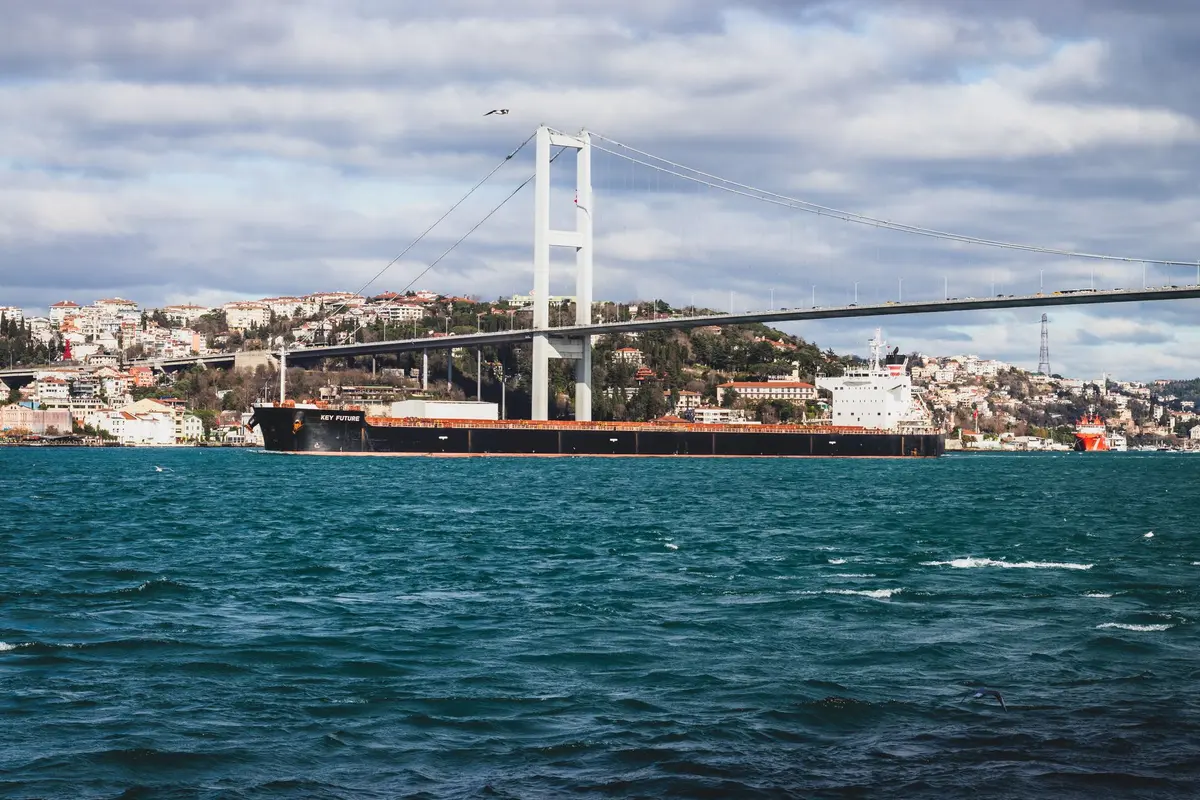
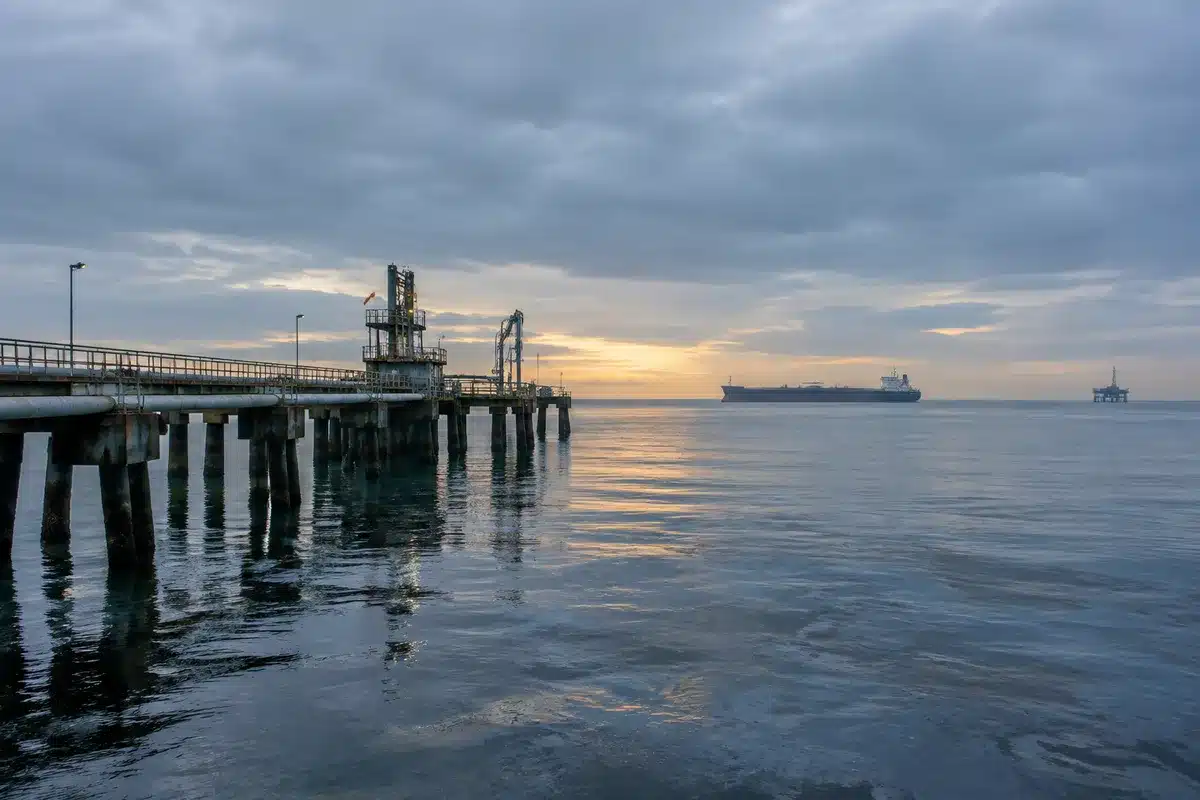
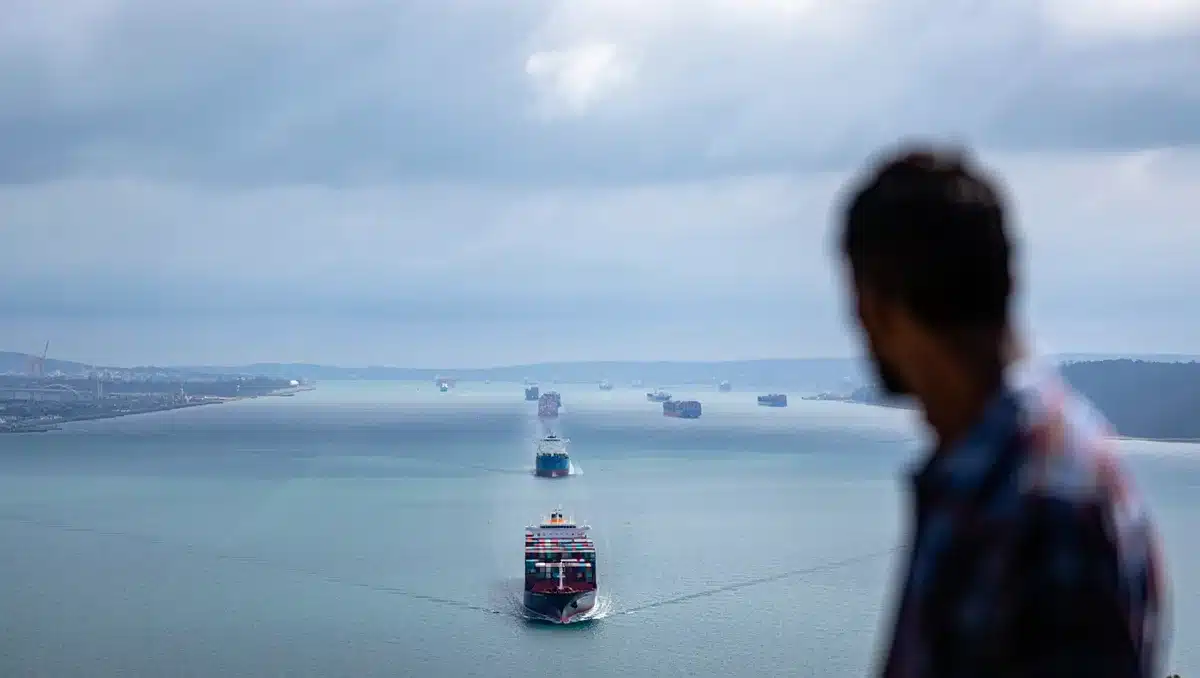
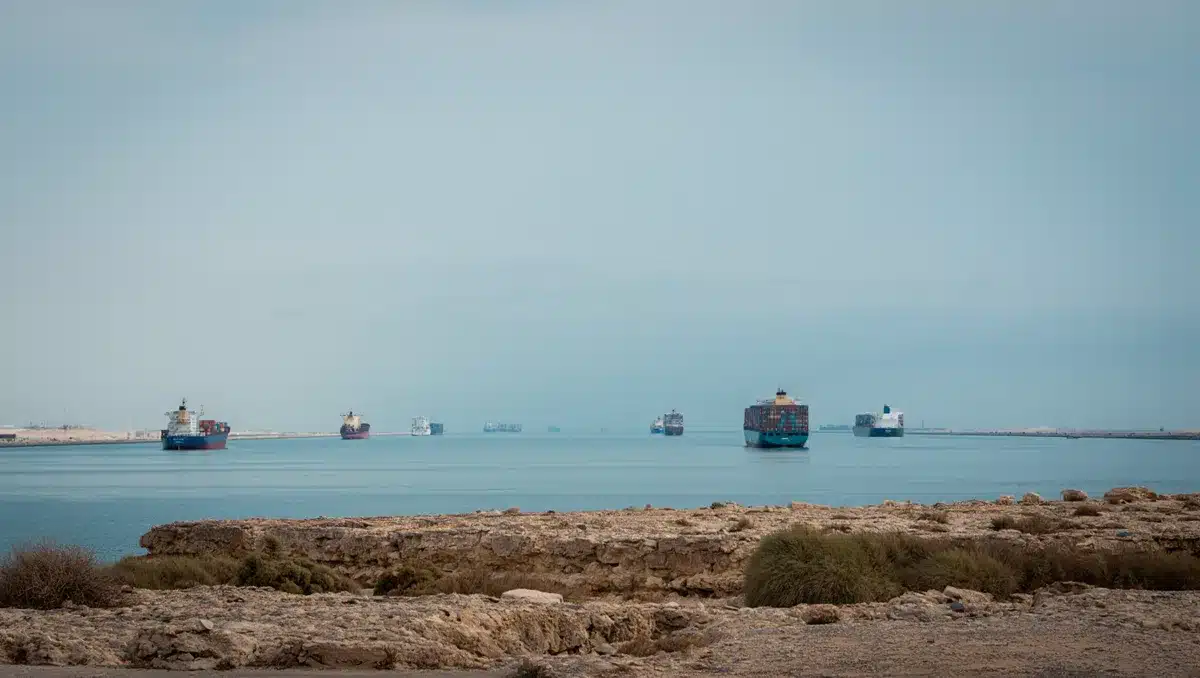
The Strait of Hormuz carries roughly 20 percent of global oil trade and a significant portion of liquefied natural gas, making it one of the world’s most critical maritime chokepoints. The waterway has been effectively blocked since the US-Iran conflict began in February 2026, pushing up oil prices and inflation worldwide. The disruption has prompted stock market declines amid the US-Iran impasse, as investors weigh the economic cost of prolonged closure.
The June ceasefire, brokered by Pakistani and Qatari mediators, was meant to launch negotiations toward a broader agreement allowing gradual restoration of commercial navigation. But implementation stalled as both sides accused each other of violating the terms. The US reimposed a blockade on Iranian shipping in July, which Iran said violated the truce. Iran has warned the US against escalation as Trump threatens new strikes, keeping the situation volatile even as diplomatic channels remain open through Oman.
Trump is under political pressure to end a war that is deeply unpopular at home ahead of midterm elections in November, and high fuel prices are a top concern in rural areas that have backed him. Yet months of US military efforts, including a two-week campaign of strikes in July, have not broken Iran’s grip on the strait. The deadlock reflects competing visions of what reopening the waterway means: for the US, restoration of free passage under international law; for Iran, recognition of its control and compensation for what it views as American aggression.
Sources
- Reuters — Trump’s compensation demands and Iran’s conditions for reopening the strait; oil price reaction to the deadlock
- Al Jazeera — Iran’s Supreme National Security Council six conditions; President Pezeshkian’s call for agreement
- Anadolu Agency — Iran security chief’s statement on the strait remaining closed; military spokesman’s remarks on irreversibility
- UNCTAD — Strait of Hormuz carrying around a quarter of global seaborne oil trade