Iran warned the United States on Saturday against escalating the five-month conflict as Trump prepared new military strikes on the country’s energy infrastructure, marking another turn in a dangerous cycle of retaliation that has repeatedly derailed ceasefire efforts.
Major General Ali Abdollahi, head of Iran’s wartime military command, said the US was “moving at an accelerating pace to fan the flames of a full-scale regional war,” according to Al Jazeera. He addressed regional neighbors directly, warning that “any country serving as defensive shield for criminal and aggressive America will be engulfed by the flames of war.”
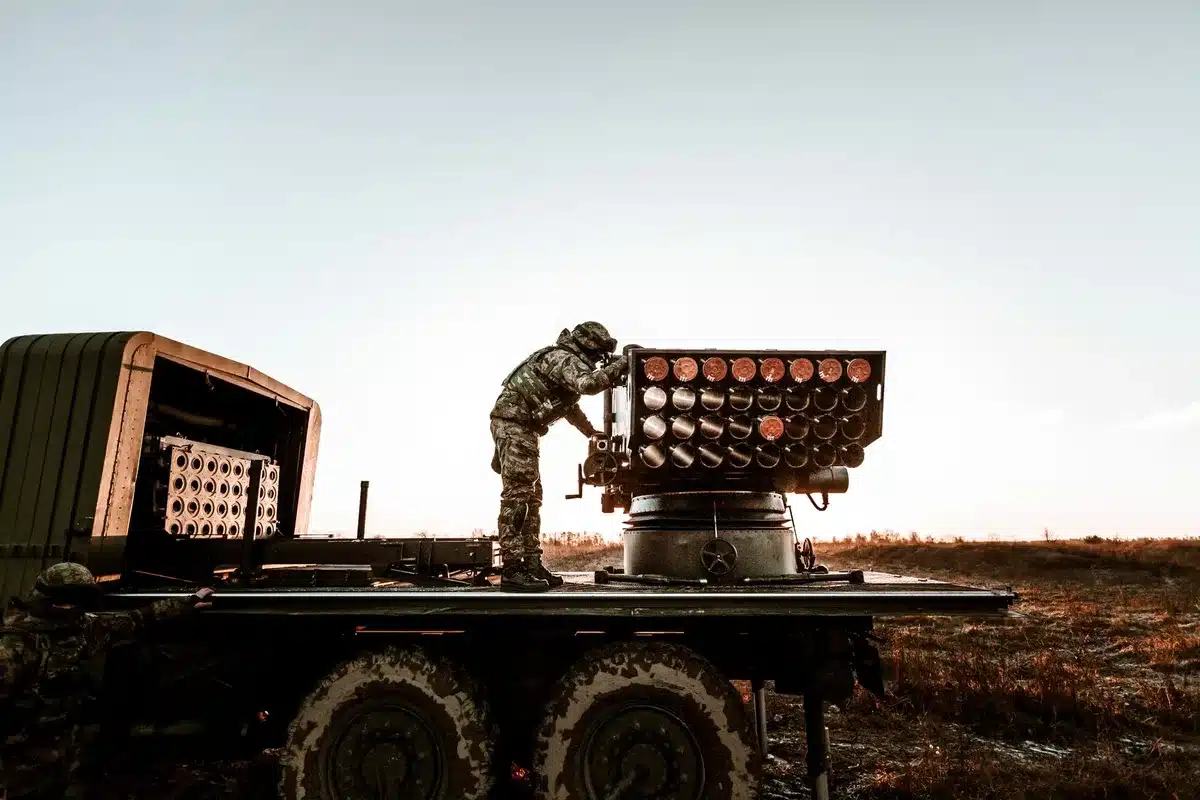
The warning came as multiple US officials confirmed to CBS News that the United States and Israel are planning what would be one of the harshest bombing campaigns to date against Iran’s civilian energy targets, including power plants and petrochemical facilities. The strikes could begin as soon as this weekend and potentially continue for up to two weeks, officials said.
Iran immediately signaled it was prepared to respond. An unnamed senior Iranian official told Iran’s Tasnim News Agency that Tehran had prepared “a comprehensive response plan that includes the vital infrastructure of the Zionist regime and U.S. energy infrastructure in the region,” adding “We are fully prepared to carry it out,” according to CBS News.
The escalating rhetoric reflects a pattern that has defined the conflict since it began on February 28, 2026, when US and Israeli strikes killed Iran’s Supreme Leader Ayatollah Ali Khamenei and other senior officials. The war has cycled through multiple rounds of tit-for-tat strikes, punctuated by failed diplomatic efforts.
The Broken Ceasefire
The two sides came closest to resolution in mid-June when Trump and Iranian President Masoud Pezeshkian signed a 60-day memorandum of understanding designed to end the conflict. The deal extended a ceasefire and committed both nations to negotiate a final agreement covering Iran’s nuclear program, US sanctions, and control of the Strait of Hormuz.

The ceasefire held for roughly two weeks. On July 8, the agreement collapsed when Iran attacked merchant shipping in the Strait of Hormuz, which Trump said violated the terms. The US restarted strikes immediately, and the cycle intensified. On July 29, after Iran fired missiles at a US base in Jordan, Trump declared the truce “over” and ordered new strikes aimed at pressuring Iran to surrender, according to multiple outlets.
By July 31, Trump had ordered fresh military strikes on Iran to commence that weekend, setting the stage for the current escalation. Iran’s military command has now made clear it will not back down from the threatened energy infrastructure attacks.
The conflict has already strained global energy markets and supply chains. UN Secretary-General António Guterres warned Friday that what began as a regional conflict is “increasingly becoming a driver of global instability,” with energy markets upended, food and fertilizer prices surged, and supply chains buckling worldwide, according to CBS News.
Iran has emphasized it does not intend to surrender control of the Strait of Hormuz as strategic leverage. Mohammad Bagher Zolghadr, secretary of Iran’s Supreme National Security Council, said continued US military strikes and a naval blockade would only deteriorate the situation in critical waterways, warning that “the global economy, and US energy market and voters will pay the price,” according to Al Jazeera.
Meanwhile, Iran’s chief negotiator and parliament speaker Mohammad Bagher Ghalibaf appeared to signal openness to a negotiated resolution, telling hardline lawmakers that “we have been victorious” but “the victories of this war must be solidified,” according to Al Jazeera. He called for a “clear future” but did not elaborate on terms.
US embassies across the Middle East, including those in Amman, Jerusalem, and Baghdad, urged American citizens on Saturday to “consider departing” the region or “be prepared to depart should there be escalation,” according to CBS News, signaling official concern about the imminent strikes.
Sources
- Al Jazeera — Iran’s military warning against escalation, US-Israel energy strikes threat, Iran’s retaliation plan, and Iranian officials’ statements on the Strait of Hormuz and negotiation prospects.
- CBS News — US-Israel energy infrastructure strike plans, Iranian official’s retaliation statement, US embassy warnings to American citizens, and UN Secretary-General’s warning on global instability.
- Reuters — Confirmation of Supreme Leader Khamenei’s death on February 28, 2026, and details of the June 17 ceasefire deal signed by Trump and Pezeshkian.
- DW — Trump and Pezeshkian’s 60-day memorandum of understanding signed June 17-18, 2026.
- The Hindu — Iran’s military accusation of US escalation and warning to regional countries on August 1, 2026.