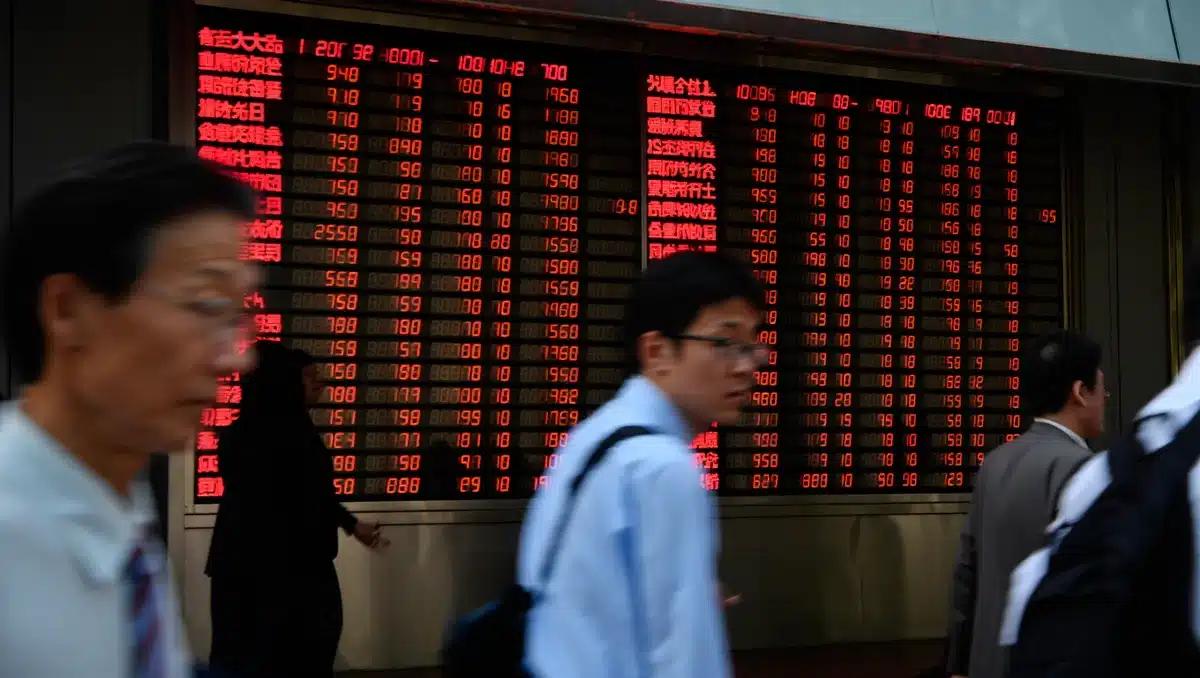
US stocks closed lower on Tuesday as tensions between Washington and Tehran intensified over negotiations to reopen the Strait of Hormuz, raising doubts about a deal to end their five-month war. The Dow Jones Industrial Average fell 0.34%, the S&P 500 dropped 0.32%, and the Nasdaq Composite declined 0.6%, according to Yahoo Finance, as investors grappled with geopolitical uncertainty and weakness in technology stocks.
The market retreat came as the US and Iran exchanged new demands during talks, each side hardening its negotiating position. President Trump on Monday demanded that Iran pay compensation for deaths and injuries linked to conflicts over several decades, a shift from earlier diplomatic signals that a deal was near.
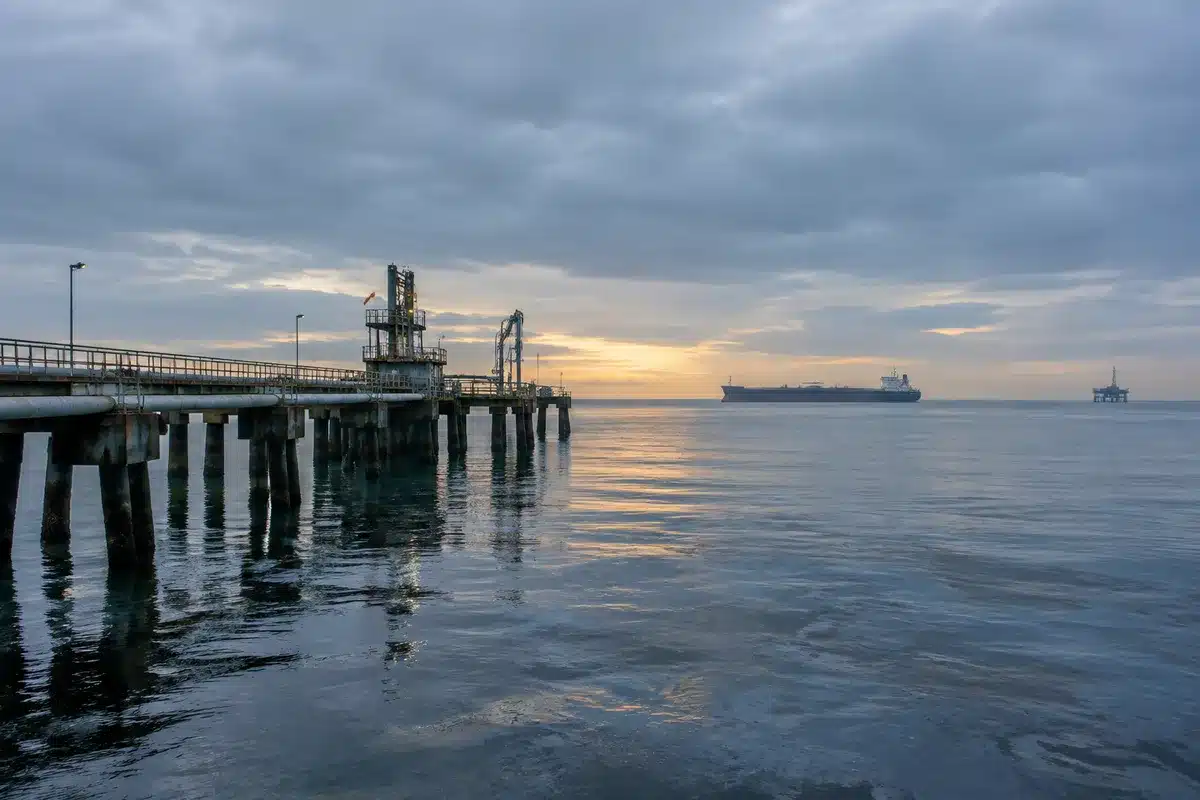
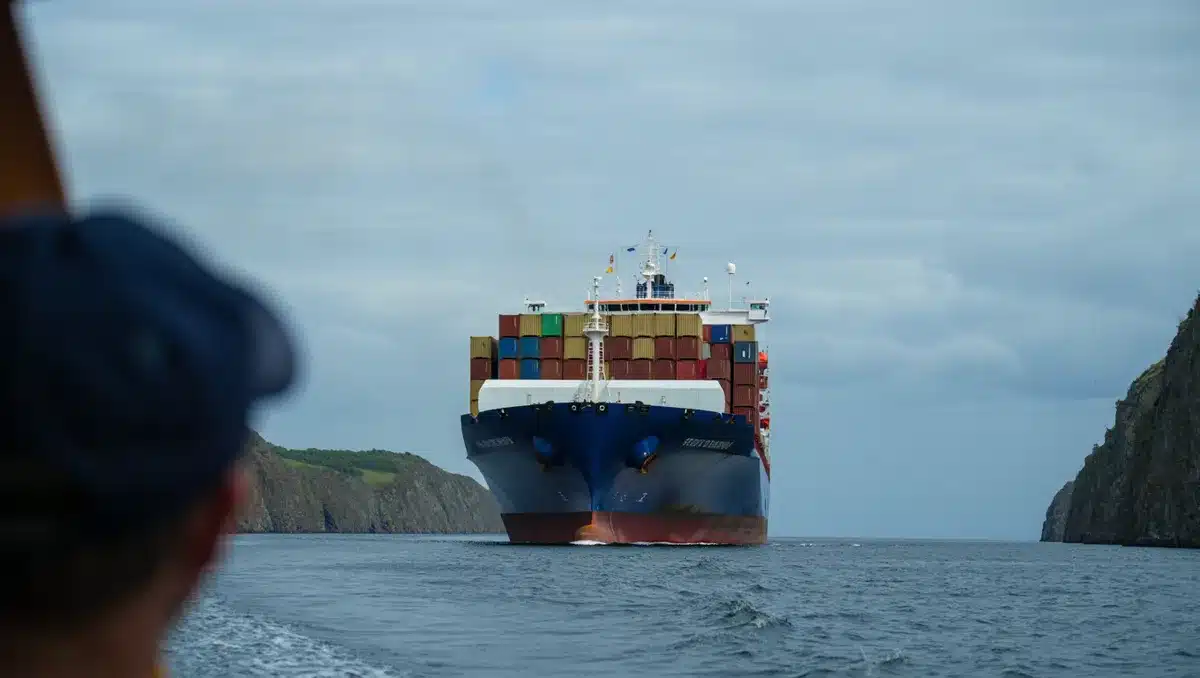
Oil prices climbed despite the mixed signals about negotiations. Brent crude futures rose 1.62% and hovered around $89 per barrel, as traders remained uncertain about when the Strait of Hormuz—through which roughly one-fifth of the world’s oil and liquefied natural gas supplies passed before the war began in February—would reopen, according to Al Jazeera.
Iran announced six new conditions for reopening the strait, including an end to US threats and insults, a permanent halt to attacks on Iran and its allies, lifting of the US naval blockade on Iranian ports, compensation for war damage, lifting of sanctions, and unconditional release of frozen Iranian assets. Foreign Minister Abbas Araghchi said negotiations with Oman over a new shipping arrangement were in their “final stages,” but direct talks with the US remained stalled.
Despite the hardening rhetoric, Pakistan’s Defense Minister Khawaja Asif told Bloomberg on Tuesday that the US and Iran were close to “some sort of an arrangement.” He said signals from the prior two or three days suggested the parties were approaching a potential deal, offering a glimmer of hope that negotiations might break through the current impasse.
The persistent uncertainty about the Strait of Hormuz has created a drag on equities even as markets have rallied at times on optimism about a breakthrough. Earlier this month, oil prices eased after Trump called off an Iran strike, lifting stocks, but the fragile progress has repeatedly stalled as both sides introduce new conditions. Analysts warned that the two sides are “further apart” than before, according to Al Jazeera’s reporting from Tehran, and that broader peace negotiations between the countries are unlikely to restart until the Strait of Hormuz issue is resolved.
The standoff has also weighed on inflation expectations and Federal Reserve policy. Persistent oil prices and the unclear path to ending the war built anticipation for Wednesday’s Consumer Price Index report, which could influence whether the Fed raises interest rates in September. Markets have already begun pricing in a potential rate hike after Friday’s softer-than-expected jobs report.
Negar Mortazavi, senior fellow at the Centre for International Policy, told Al Jazeera that both sides appear to be “putting forward maximalist demands ahead of serious negotiations.” She noted that Trump’s new compensation demands go beyond ending the current conflict and introduce historical grievances that could make a deal “extremely difficult for Tehran to accept.”
The oil-driven volatility has become a fixture of markets for months, with energy prices serving as a proxy for progress—or lack thereof—in the talks. As long as the Strait remains closed and both sides maintain competing demands, traders will likely continue to price in elevated risk, keeping energy costs high and equity sentiment fragile.
Sources
- Yahoo Finance — confirmed August 11, 2026 market close: Dow -0.34%, S&P 500 -0.32%, Nasdaq -0.6%; Brent crude +1.62% at $89/barrel; reporting on tech weakness and Iran impasse
- Al Jazeera — Iran’s six new conditions for reopening Strait; Araghchi’s statement on Oman negotiations; expert analysis from Negar Mortazavi and Tehran analyst Hossein Royvaran on hardening positions; Strait carries one-fifth of world’s oil and LNG
- CBS News — Pakistan’s Defense Minister Khawaja Asif’s comments on US-Iran arrangement; Trump’s compensation demands; Iran’s rejection of Trump’s stance