The Dow Jones faces headwinds as oil prices climb on uncertainty over a potential Middle East deal to reopen the Strait of Hormuz, threatening to derail recent market gains built on hopes for de-escalation.
Crude oil rose to $79.30 per barrel on August 10, 2026, up 1.43%, as negotiations between Iran, Oman, and the U.S. over the strategic waterway remained stalled. Brent crude climbed more than $1 a barrel on August 9 over ongoing uncertainty about the talks, according to Reuters.
Iran issued sweeping new demands on August 8 as conditions for fully reopening the strait, including an end to U.S. threats, sanctions, and regional military presence, according to the New York Times and Gulf News. The demands have complicated negotiations that were reported to be in final stages just days earlier.
The market reaction reflects a sharp reversal from early August, when hopes for a breakthrough sent oil prices lower and lifted stocks. The Dow Jones had hit record highs on August 5 and August 3 as traders bet on de-escalation. However, the index fell 0.85% on August 6 as doubts about the strait’s reopening resurfaced, according to the Wall Street Journal.
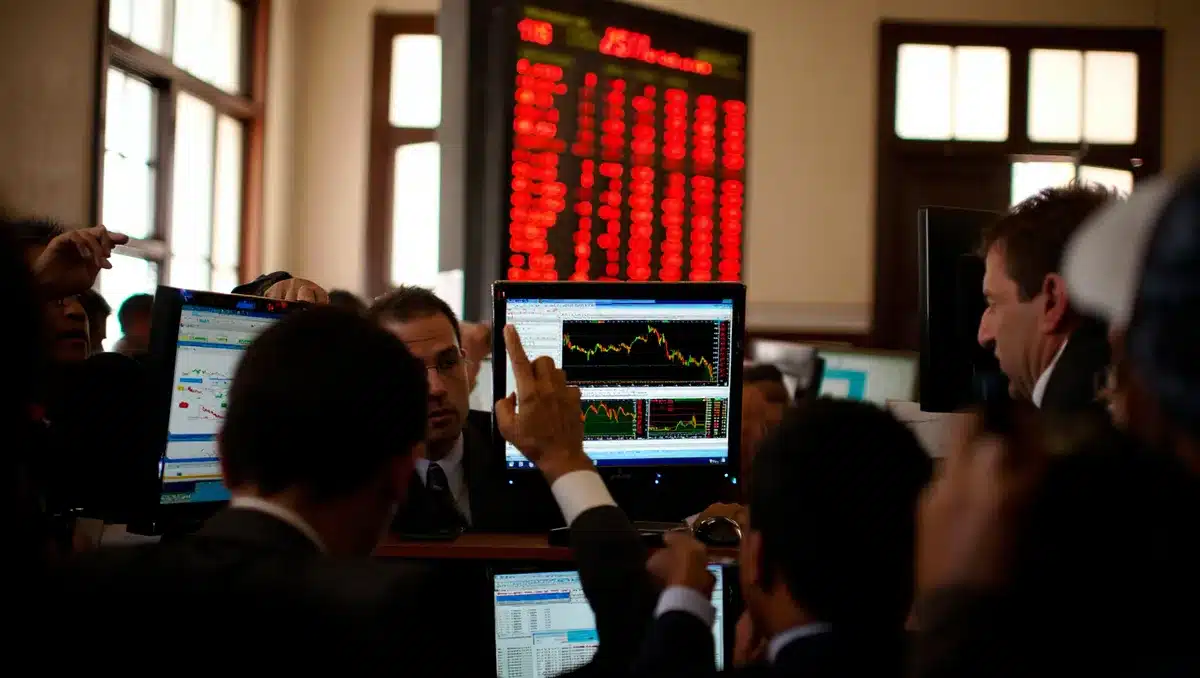
How Hormuz Uncertainty Moves Markets
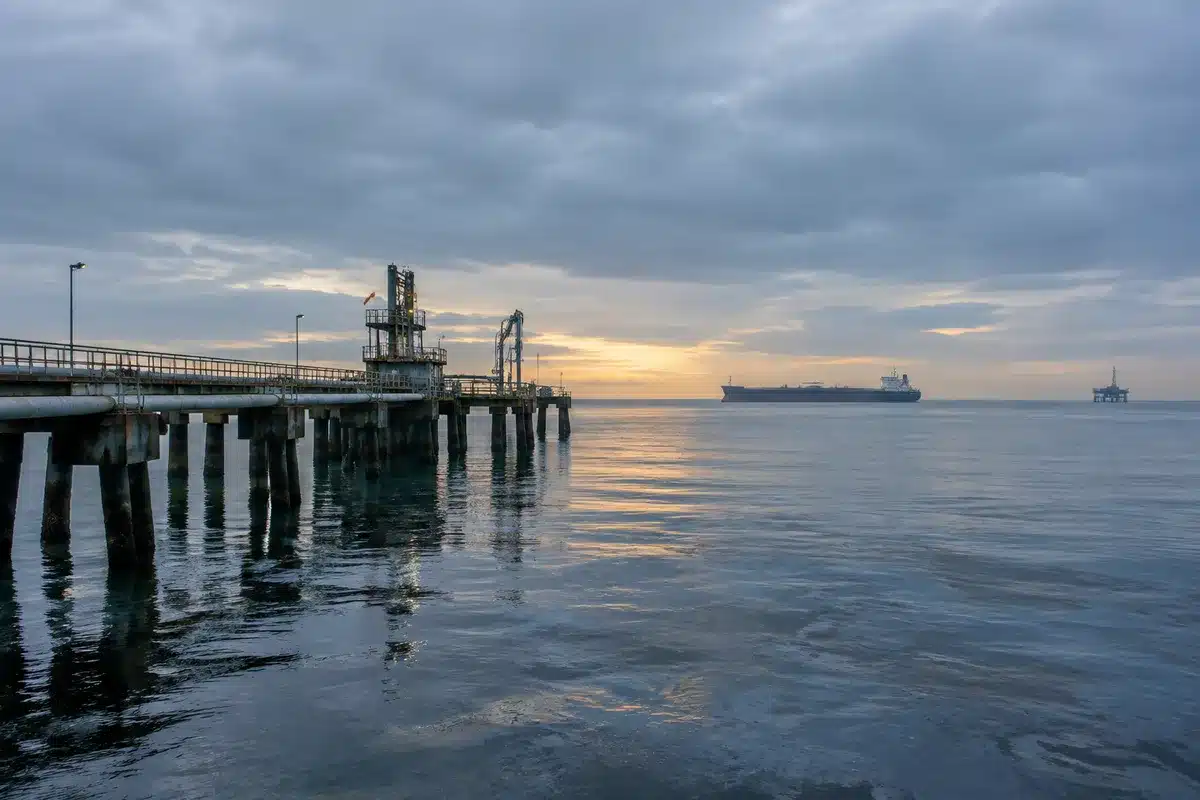
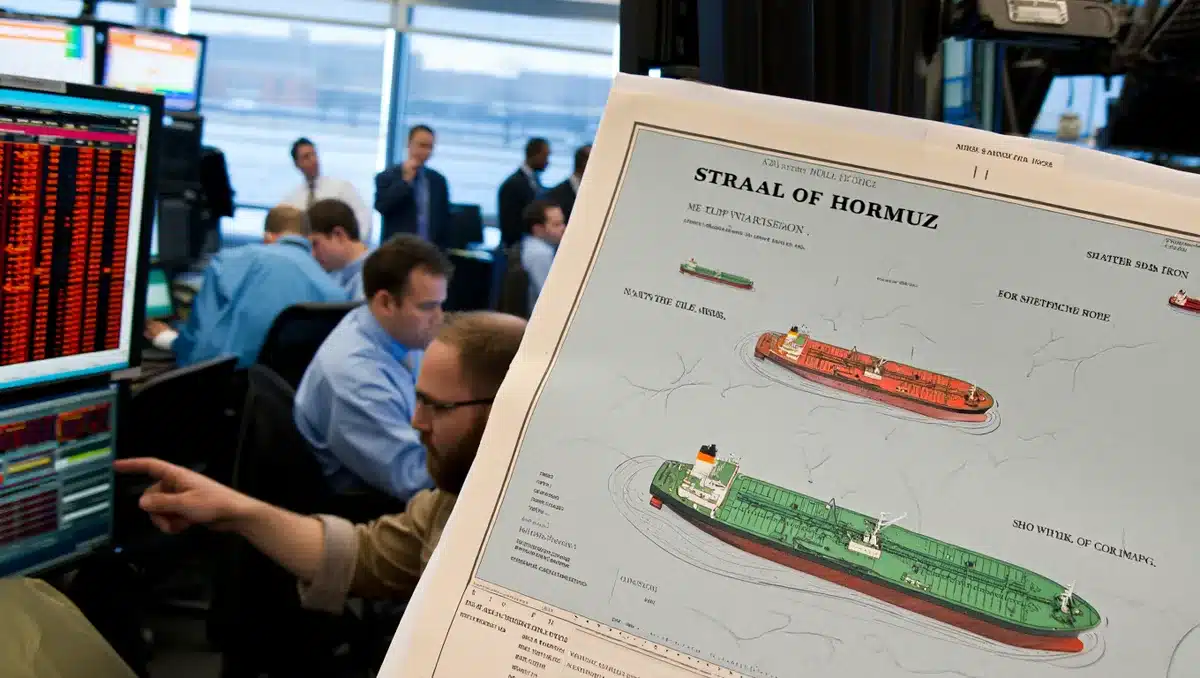
The Strait of Hormuz carries roughly one-third of the world’s seaborne oil, making its status a critical driver of energy prices and, by extension, stock valuations. When negotiations appear close, oil falls and equities rally; when talks falter, the reverse occurs. This pattern has played out repeatedly since Iran’s missile attack on U.S. forces on July 31, which triggered the initial conflict that closed the strait.
Analysts have noted that the market’s conflicting signals reflect genuine uncertainty about whether a deal will materialize. A senior Gulf official said there was a “50-50” chance Iran and Oman would reach a deal by early August, according to CNN. Iranian and Omani negotiators had finalized a draft deal by August 5, awaiting final approval from Iran’s Supreme Leader, according to the Associated Press. Yet Iran’s subsequent list of demands has cast that timeline into doubt.
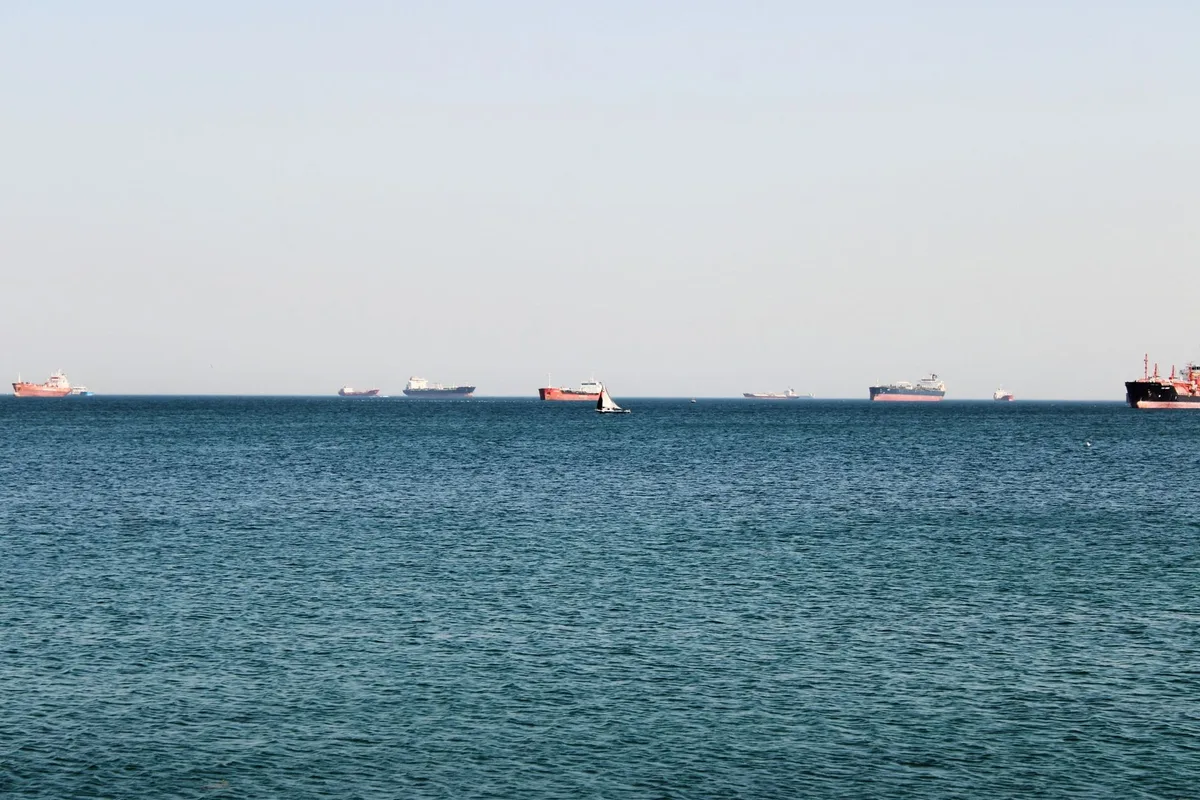
The Dow’s sensitivity to Hormuz developments underscores how geopolitical risk remains a key driver of U.S. equities. When oil prices spike on deal uncertainty, inflation concerns rise and corporate profit margins narrow—both headwinds for stocks. Conversely, any breakthrough that reopens the strait and lowers oil prices typically triggers a rally, as seen in early August when markets touched record highs.
With negotiations in limbo and Iran’s new conditions unresolved, the Dow and broader market face continued volatility as traders weigh the odds of a deal. Oil prices will likely remain elevated until clarity emerges on whether the U.S. and Iran can bridge their remaining differences.
Sources
- Trading Economics — crude oil price on August 10, 2026, up 1.43% to $79.30/barrel
- Reuters — Brent crude climbed more than $1 on August 9 amid uncertainty over negotiations
- New York Times — Iran issued sweeping new demands on August 8 for Strait of Hormuz reopening
- Gulf News — Iran ties reopening to end of U.S. threats, sanctions, and regional military presence
- Wall Street Journal — Dow fell 0.85% on August 6 amid doubts about Hormuz reopening
- Associated Press — Iranian and Omani negotiators finalized draft deal by August 5, awaiting final approval
- CNN — Senior Gulf official cited “50-50” chance of deal by early August