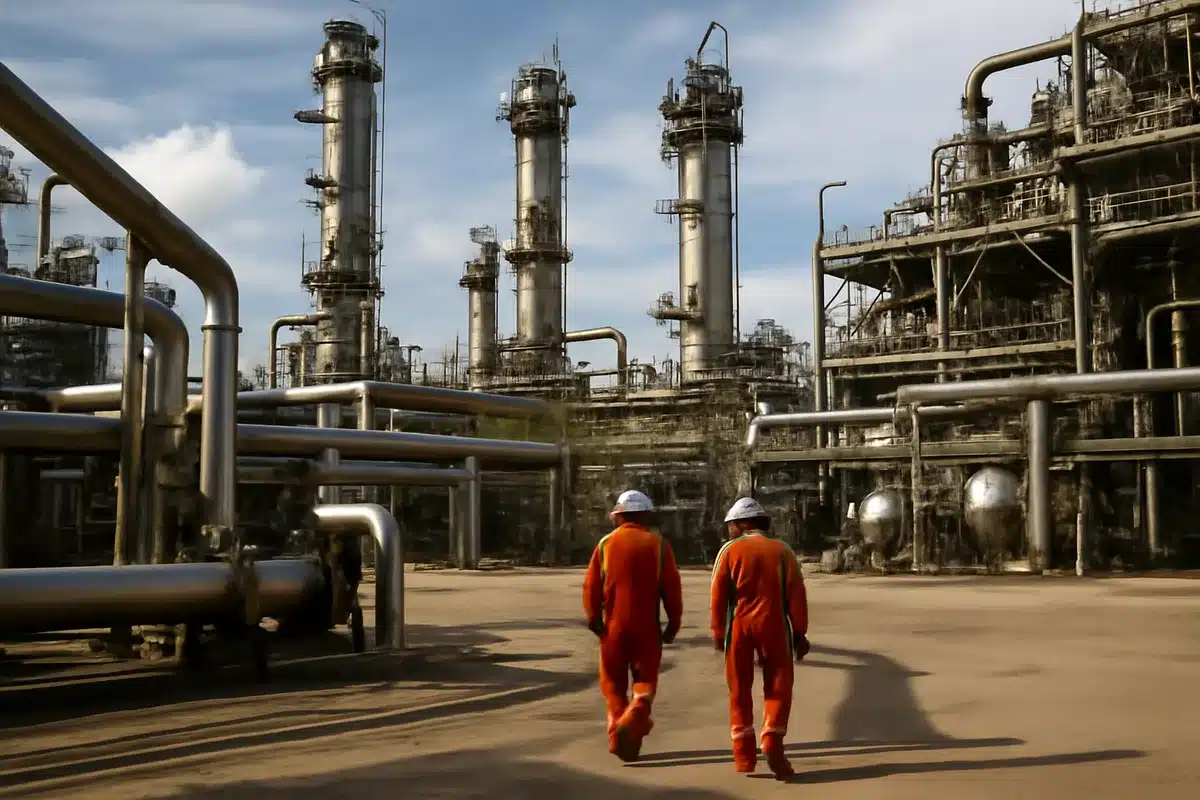
Chevron plans to invest more than $7 billion in Venezuela over the next five years to roughly double its crude oil output from the South American country, the company announced on Wednesday. The expansion represents a significant commitment to the oil-rich nation as the U.S. oil major seeks to increase production through its joint ventures with state-run PDVSA, following an energy reform that has opened new opportunities for foreign investment.
Under the plan, Chevron’s combined Venezuelan output will reach approximately 600,000 barrels per day by 2031, up from its current production of around 290,000 barrels per day. The investment supports growth at Chevron’s three Venezuelan joint ventures, which have already increased output by 15 percent so far this year, according to Reuters.
The expanded agreement grants Chevron access to additional acreage in Venezuela’s Orinoco Belt, a region known for vast reserves of extra-heavy crude. Chevron’s Petroindependencia joint venture, in which the company holds a 49 percent stake, received rights to develop two new areas in the region. Total production costs are expected to remain below $20 per barrel, Chevron said.
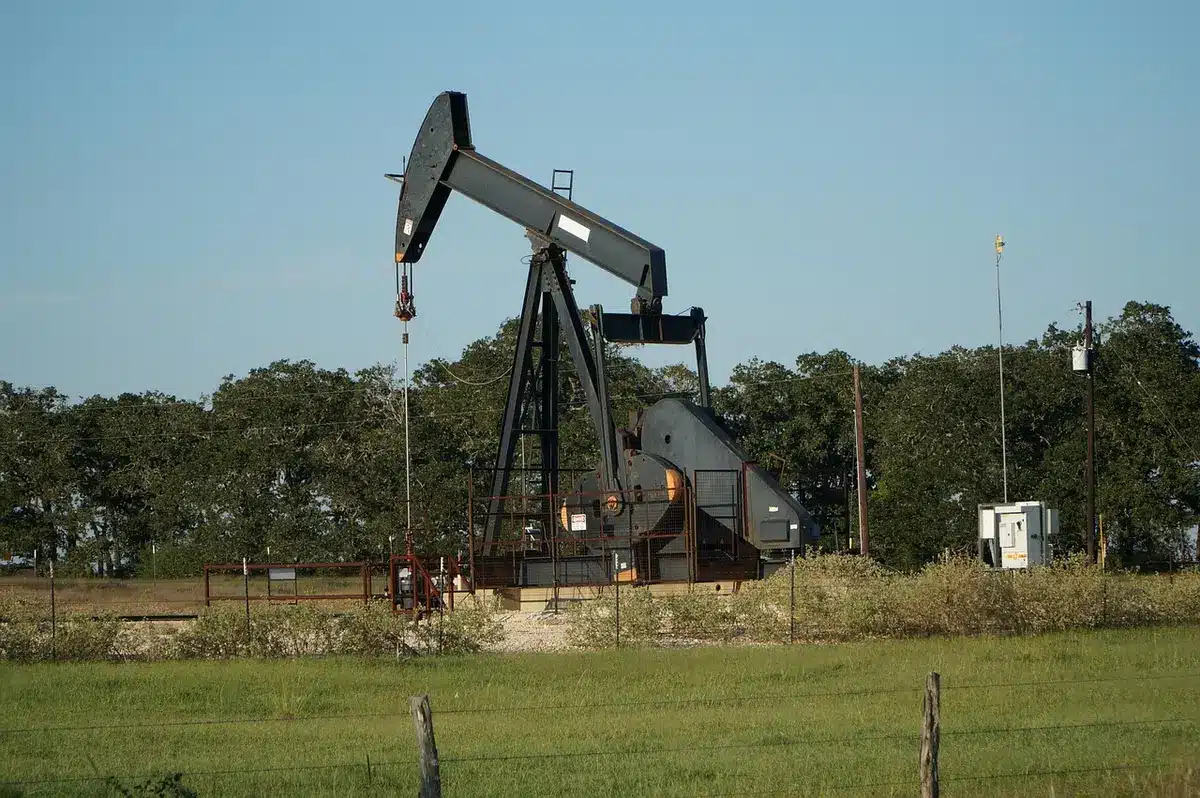
Chevron has maintained a presence in Venezuela for more than a century, beginning exploration activities in 1923. While the company never fully exited the country during decades of political instability and U.S. sanctions, competitors ExxonMobil and ConocoPhillips withdrew their assets after the Venezuelan government nationalized their operations in 2007 under former President Hugo Chávez.
The announcement comes as part of a broader U.S. push to revive Venezuela’s oil sector following the removal of President Nicolás Maduro from office in January 2026. President Trump has promoted a $100 billion reconstruction plan for Venezuela’s energy infrastructure and has urged U.S. oil companies to invest in the country. Venezuela possesses the world’s largest proven oil reserves, estimated at 304 billion barrels, but decades of mismanagement, corruption, underinvestment, and international sanctions have severely weakened production.
Production in Venezuela peaked at more than 3 million barrels per day in the late 1990s before declining sharply. In recent months, total Venezuelan output has hovered around 1.1 million to 1.2 million barrels per day, according to Reuters. Chevron’s expanded position will give it control over nearly half of that current production, with all output currently exported to the United States.
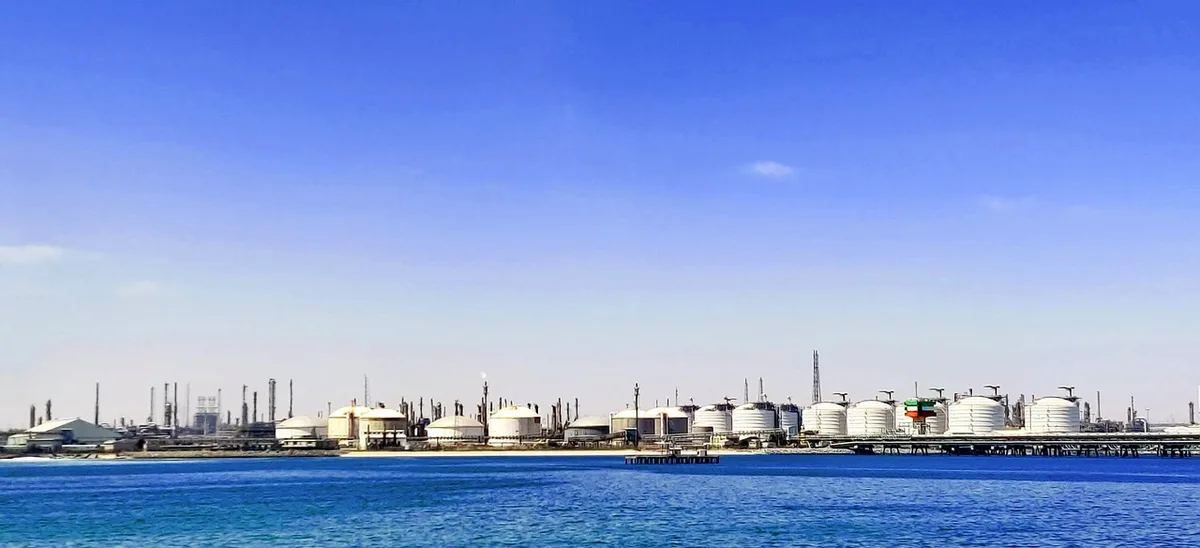
Chevron CEO Mike Wirth said in a statement that the company’s expanded position “reflects our confidence in the country’s deep resource potential and its ability to compete for investment within our portfolio for decades.” The company noted that the agreements provide enhanced fiscal, commercial, and legal terms compared to previous arrangements.
Other international energy companies are also moving to expand operations in Venezuela. Italy’s Eni, India’s ONGC, Colombia’s GeoPark, and U.S. firm GE Vernova are expected to sign energy agreements in Venezuela this week, according to Reuters reporting. These moves signal a broader reopening of Venezuela’s energy sector to foreign capital after years of isolation.
Sources
- Reuters — Chevron’s $7 billion investment plan, production targets, current output levels, joint venture details, and historical context on oil company operations in Venezuela
- Chevron Corporation — Official announcement of the investment, production goals, and CEO statement
- Bloomberg — Investment amount and five-year production timeline
- Wall Street Journal — Current production figures and output targets