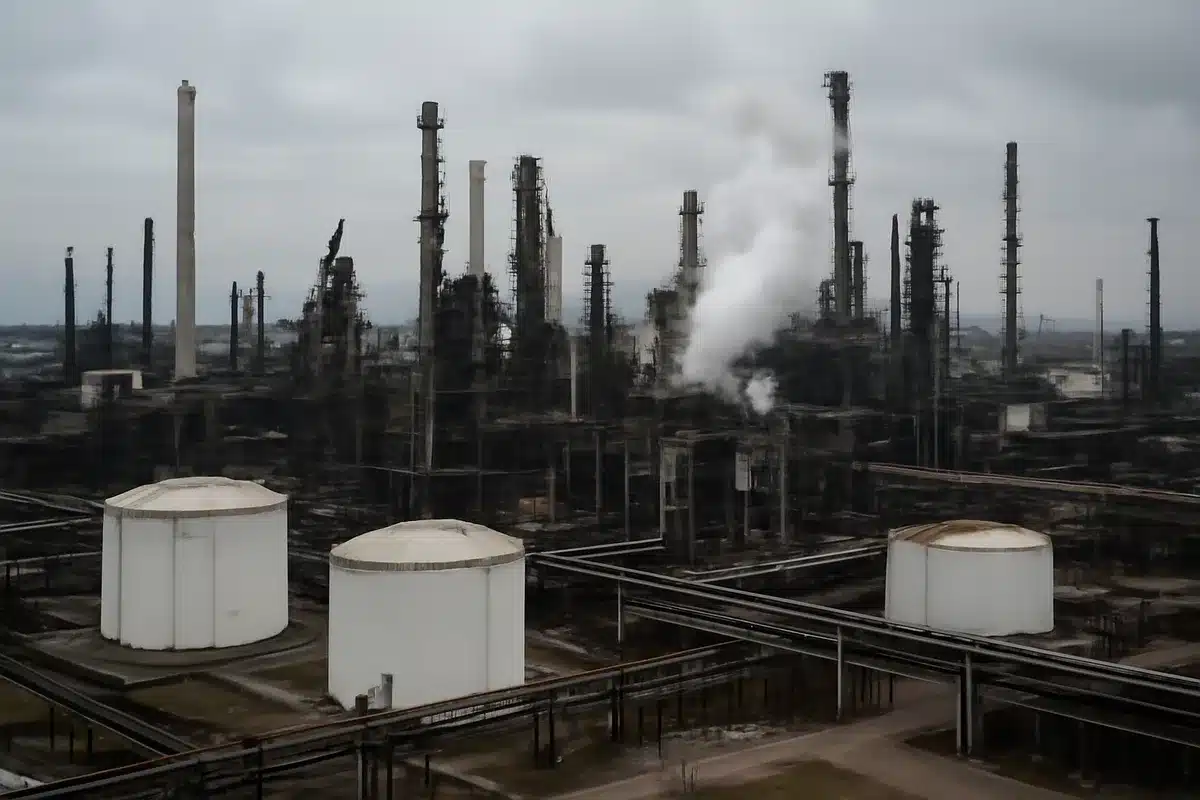
President Donald Trump announced Friday that the United States has reached a deal to control more than 65 billion barrels of Venezuela’s proven oil reserves, marking an unprecedented agreement that would give American authorities majority control of a foreign nation’s sovereign petroleum resources.
Trump described the arrangement as “the biggest oil deal in world history” and said it would be reached “at no cost to the American Taxpayer.” Under the agreement, the US government will retain 55% control of a joint venture with a private operator in Venezuela’s oil fields, according to a US official who spoke to CBS News.
Venezuela’s interim President Delcy Rodríguez, who took power after the US captured former President Nicolás Maduro in January, hailed the deal as transformative for her nation’s economy. The agreement covers the development of 17 strategic oil fields and calls for more than $100 billion in private investment and over $209 billion in taxes for Venezuela, Rodríguez said in a statement. “These investments will contribute not only to the recovery and modernisation of our industry, but also to our country’s economic growth, the energy security of our hemisphere and greater balance in international markets,” she added.
US Secretary of State Marco Rubio called the oil deal “a huge win for both the American and Venezuelan people,” emphasizing that it would bring investment, create jobs, and support Venezuela’s economic reconstruction. The Wall Street Journal reported that US energy firms Chevron and Halliburton were nearing deals to invest billions in overhauling Venezuela’s oil infrastructure.
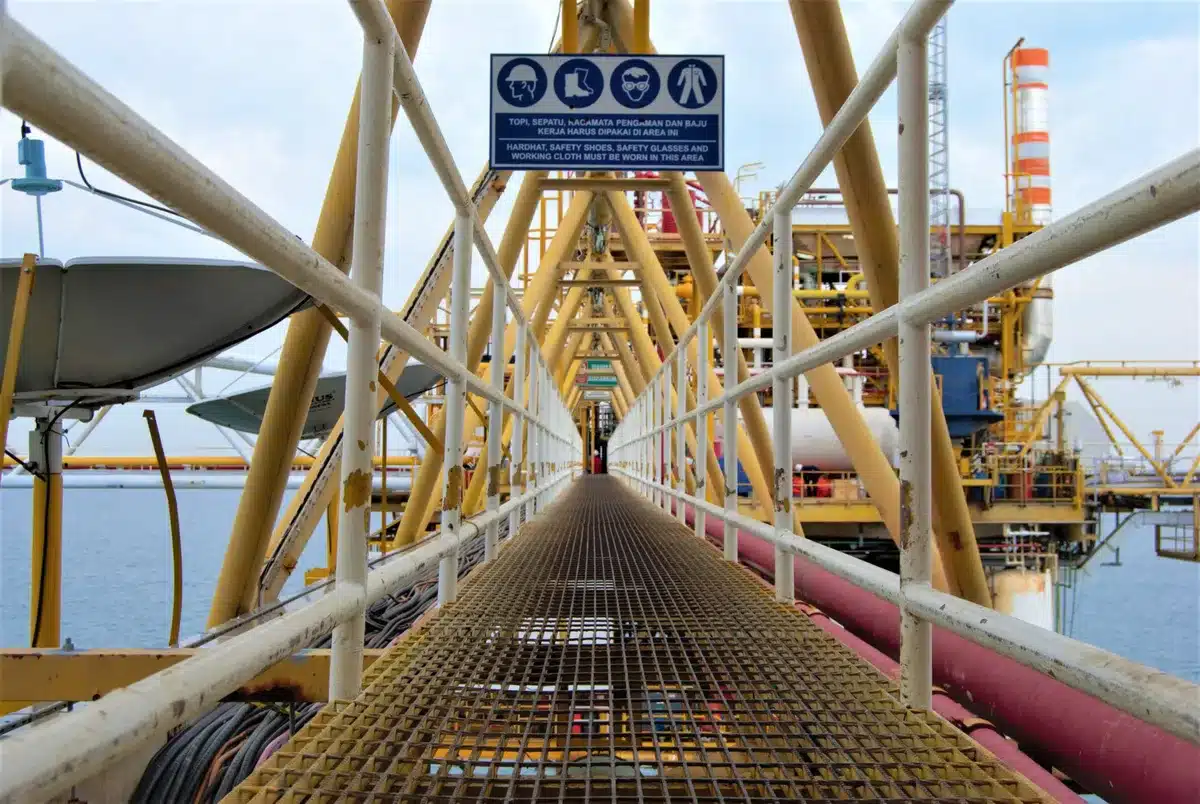
Trump’s push for Venezuelan oil control comes as he faces pressure to lower domestic petrol prices, which have spiked due to global supply disruptions via the Strait of Hormuz during an ongoing Iran war. However, experts have raised questions about the deal’s feasibility and legal foundation. David Goldwyn, president of energy consultancy Goldwyn Global Strategies, said there was “no precedent” for the US government entering into a lease to operate foreign oil fields and questioned whether such an arrangement would violate Venezuela’s constitution or hydrocarbons law.
Goldwyn also expressed skepticism about whether the deal would drive material investment, citing Venezuela’s political uncertainty, weak power grid, and limited export capacity as persistent obstacles. “It is hard to see how this kind of arrangement would accelerate investment at any material scale,” he told Reuters. Oil and gas lawyer Alexander Kuiper warned that while the deal is “definitely a headline to help with oil prices,” the real test lies in whether reserves translate into actual investment and production results—a process that could take considerable time.

Venezuela holds the world’s largest proven oil reserves—an estimated 303 billion barrels—yet production has collapsed over the past decade due to mismanagement, corruption, and US sanctions. Production peaked at 3.4 million barrels per day in the late 1990s but has plummeted to a fraction of that level. The Trump administration has asked US oil firms to invest at least $100 billion to restore the country’s oil industry infrastructure.
The agreement represents an unusual arrangement, extending beyond US control of Iraqi oil revenues after the 2003 invasion. Trump has justified the move by citing Venezuela’s past “unilateral seizure” of American assets and platforms, claiming it cost the US “billions and billions of dollars.” The official text of the agreement between Washington and Caracas has not been published, leaving questions about specific terms and legal standing unresolved.
Sources
- BBC — Trump’s announcement of the deal, Venezuela’s interim president’s statement, deal structure (55% US control), investment and tax projections, expert skepticism from David Goldwyn and Alexander Kuiper
- Reuters — Trump’s announcement, David Goldwyn’s analysis on precedent and feasibility concerns, description of the deal as unprecedented
- PBS NewsHour — Trump’s announcement of the US-Venezuela oil agreement
- NBC News — Marco Rubio’s statement on investment and job creation benefits
- CNN — Trump’s announcement and deal details
- Al Jazeera — Trump’s characterization of the deal as the “biggest oil deal in world history”
- Wall Street Journal — Chevron and Halliburton investment deals in Venezuelan oil infrastructure
- Council on Foreign Relations — Venezuela’s 303 billion barrels of proven reserves and historical context on US sanctions and production decline