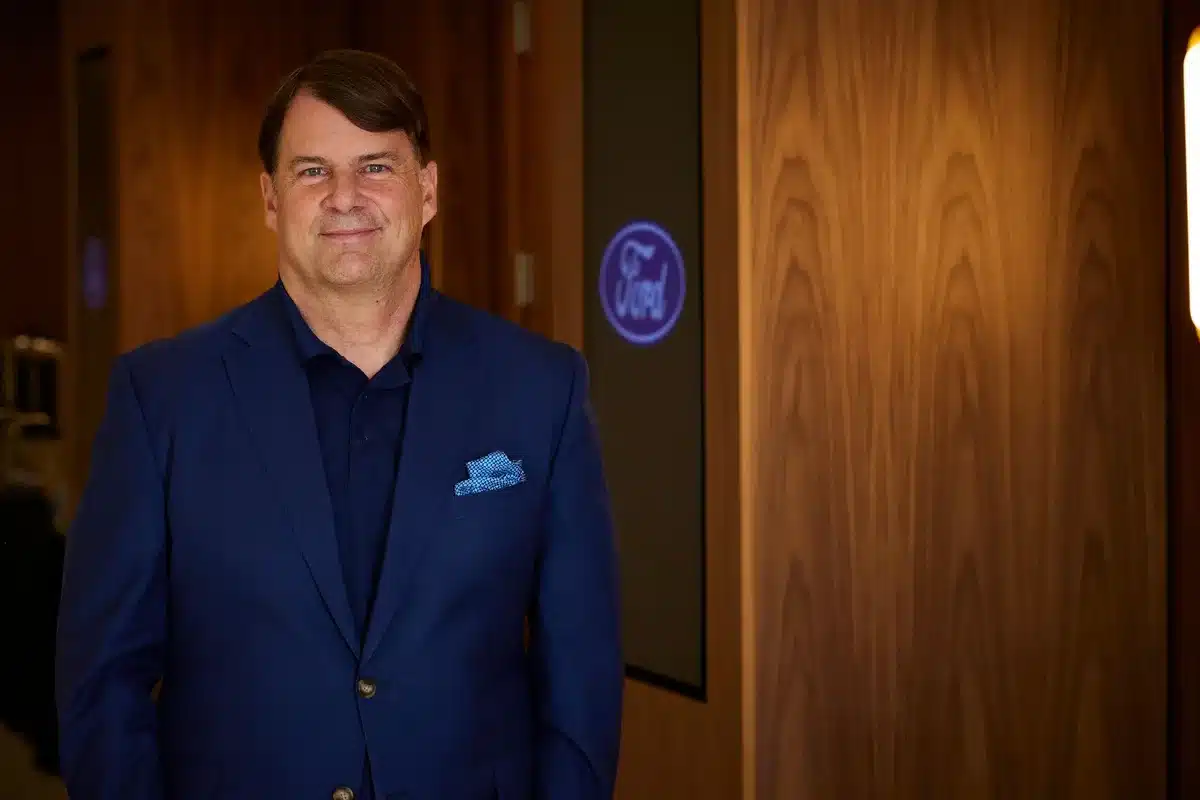
Ford CEO Jim Farley reshapes quality culture after $1B Super Duty disaster, replacing two-thirds of leadership in key industrial and engineering roles to prevent future production crises. The 2023 launch of the redesigned F-Series Super Duty was plagued with quality control issues—software glitches, semiconductor shortages, and widespread defects—that forced Ford to park thousands of trucks in marshaling yards like Kentucky Speedway until they were ready for customers, according to the Detroit Free Press. Farley called the cost to the company a “whopping $1 billion hit” to 2023 earnings.
Farley said the disaster became “a line in the sand for this management team.” He emphasized that Ford had to slow production and delay launches rather than send flawed vehicles to dealers, a shift that required fighting internal resistance from leaders who believed the trucks were “good enough.” The company shifted from a culture where workers feared reporting problems to one where finding and fixing defects is praised, with experts digging to root causes and installing safeguards to prevent recurrence.
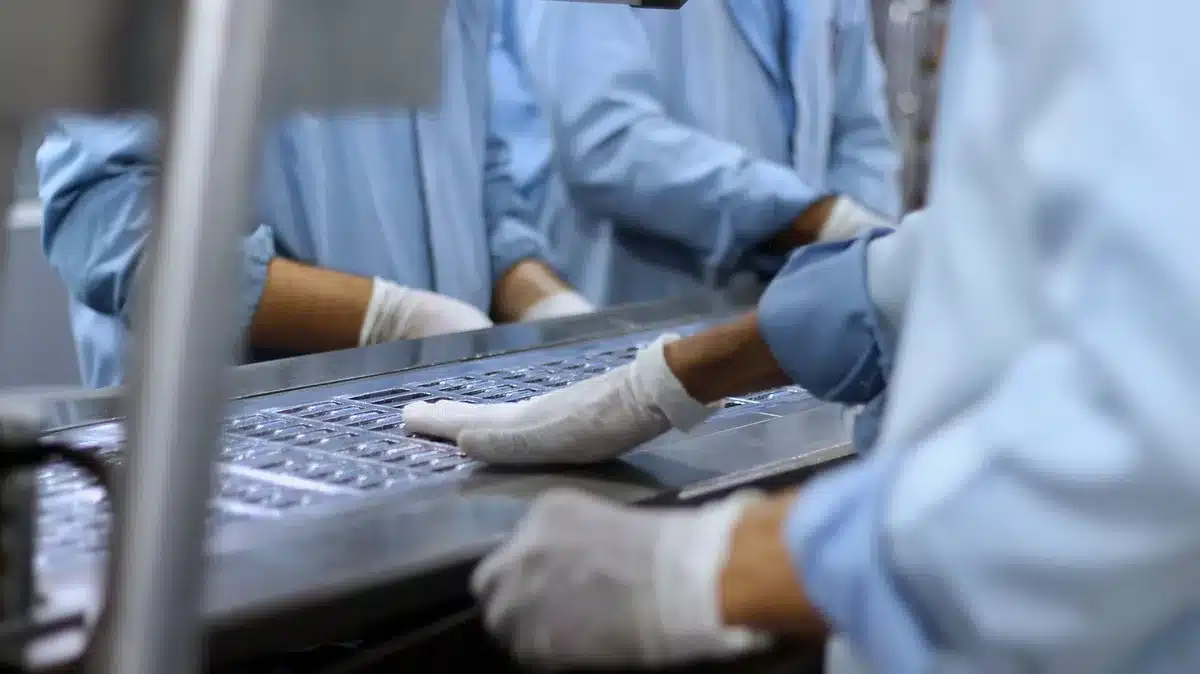
Since the Super Duty launch, Ford hired hundreds of new leaders and technical specialists, many from outside the automotive industry. Bryce Currie, the chief manufacturing officer, came from aerospace—a field where zero-defect standards are non-negotiable. Farley said Ford specifically sought leaders “who came from the aerospace industry, and the supply chain,” because “their quality standards are different than automotive because they can’t have an engine failure.” Over two-thirds of Ford’s leaders in manufacturing, engineering, supply chain, and industrial operations are now new hires.
Farley employs “Gemba” walks, a Japanese management tool he learned at Toyota in the 1980s. Gemba means “actual place” in Japanese and emphasizes leaders spending time on the factory floor observing processes, engaging with employees, and solving problems directly. “When we decided to build a new plant, it was a common expectation at Toyota, even if you were a Westerner, to spend time in the plant,” Farley told the Detroit News. He has visited over a dozen plants in the past year and refined the approach to focus on structural, organizational, and cultural issues alongside shop-floor problem-solving.

The changes appear to be working. Ford ranked as the top mainstream brand in the 2026 JD Power U.S. Initial Quality Study, marking its first #1 finish since 2010, according to BusinessWire. The company scored 152 problems per 100 vehicles (PP100), the industry standard for measuring defects in the first 90 days of ownership—a 41-point improvement from the previous year and the best year-over-year gain since 1997. Farley credited the win to four years of relentless effort, calling it an “overnight success” that “was actually 4 years in the making.”
Despite the quality ranking, Ford still leads the industry in recalls, with 63 so far in 2026, according to the National Highway Traffic Safety Administration. Analyst David Whiston from Morningstar said Ford must prove it can maintain quality “every day forever.” He noted that the Initial Quality Study measures only the first 90 days of ownership; the real test will come in the JD Power Vehicle Dependability Study, which tracks quality over three years. Karl Brauer, executive analyst at iSeeCars, warned that sustaining high quality over decades—as Toyota has done—is far harder than fixing a single launch crisis. “That kind of consistency goes beyond any single person or team,” Brauer told the Detroit Free Press. “Toyota has mastered the art of making high-quality vehicle production a company mantra that goes beyond any single person or team. That’s what Ford has to do, and it won’t be easy.”
Farley remains focused on the long view. He recalled a principle from his Toyota days: “No problem. Big problem. In Toyota, even if you are perfect in quality and you’re beating everyone, no one is happy. You’re going for perfection.” Ford’s warranty costs dropped by $500 million in 2025 compared with 2024, a sign the quality improvements are beginning to reduce the financial burden of recalls and repairs—though the company still faces intense competition from Chinese automakers waiting for tariff barriers to lower.
Sources
- Detroit Free Press — Jim Farley’s exclusive interview detailing the 2023 Super Duty launch crisis, the $1 billion cost, leadership replacements, and cultural shifts in quality management.
- TheStreet — Ford CEO’s use of Gemba walks and Japanese management principles to improve manufacturing quality; the company’s spending history and turnaround efforts.
- BusinessWire — Ford’s #1 ranking in the 2026 JD Power Initial Quality Study, first time since 2010, with a score of 152 PP100 and a 41-point improvement year-over-year.
- Detroit News — Farley’s explanation of Gemba walks and the company’s quality culture changes over the past four years.
- Yahoo Finance — Farley’s comments on the JD Power win as an “overnight success” that took four years of transformation.